


Philippines’ Skin Care Industry Moves Toward Smarter Routines, Digital Discovery, and Responsible Beauty
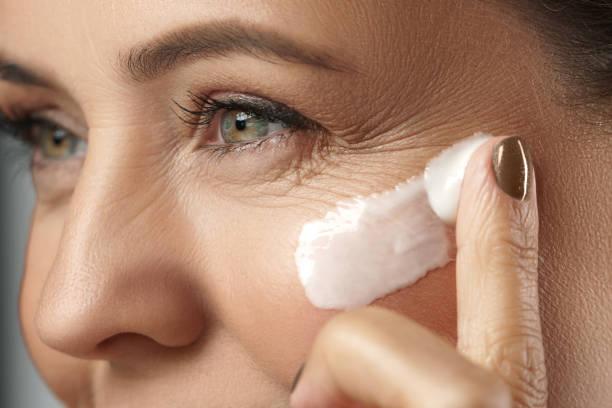
The Philippines’ skin care landscape is evolving as consumers place greater attention on personal appearance, skin health, product functionality, and convenient purchasing experiences. Brands are responding by developing clearer product propositions, strengthening digital engagement, and exploring more responsible approaches to packaging and communication. According to a Vyansa Intelligence report, the Philippines skin care market was valued at $ 1.12 Billion in 2024 and is projected to reach $ 1.71 Billion by 2030, registering a CAGR of 7.31% during 2025-2030.
Consumer Awareness Is Reshaping Skin Care Choices
Skin care is increasingly connected with everyday personal care and individual appearance. Consumers are becoming more attentive to the condition of their skin and are seeking products that can address specific concerns rather than relying only on basic routines.
This shift creates opportunities for brands to communicate product benefits more precisely. Instead of presenting products through broad beauty messaging, companies can focus on formulation purpose, usability, and the particular needs that a product is designed to address.
Consumer awareness can also encourage more informed purchasing. As people encounter greater amounts of information through digital platforms, they can compare products, examine ingredients, and learn about different approaches to skin care before making a purchase.
For businesses, Industry analysis needs to consider this changing relationship between awareness and purchasing behaviour. Understanding what consumers want from their routines can help brands develop more relevant products and clearer communication.
Facial Care Supports Product Innovation
Facial care represents an important area of attention within the Philippines skin care landscape. Consumers looking for solutions around everyday facial maintenance can create demand for products designed around distinct functions and concerns.
The increasing emphasis on purposeful purchasing also gives brands an opportunity to develop more focused product propositions. Consumers may look for products that fit particular routines or respond to specific skin needs, making clarity an important part of product positioning.
This environment encourages manufacturers to think beyond simply expanding product portfolios. A successful proposition needs to communicate why a product matters and how it can contribute to a consumer’s routine.
In this report, the changing role of product functionality provides an important perspective for understanding how companies can respond to evolving expectations.
Social Media Is Influencing Product Discovery
Social media has become an important part of beauty communication in the Philippines. Consumers can discover products through demonstrations, creator content, routine-focused videos, educational posts, and other forms of digital engagement.
The growing popularity of content centred on daily beauty routines gives brands opportunities to demonstrate how products can be used in real-life situations. This can make product communication more accessible while helping consumers understand the purpose of different formulations.
Digital content also creates a faster feedback loop between brands and consumers. Companies can observe audience reactions and refine their communication based on the questions and interests emerging online.
According to this industry report, social media therefore represents more than a promotional channel. It can influence discovery, education, engagement, and the way consumers evaluate skin care products.
E-Commerce Adds Convenience to Purchasing
Online retail is becoming an increasingly important complement to traditional purchasing channels. Digital platforms can give consumers access to broader product selections while allowing them to compare products and learn more before purchasing.
Interactive tools can make this process more engaging. Product quizzes, surveys, educational content, and affiliate-led recommendations can help consumers navigate different options and identify products that appear relevant to their needs.
At the same time, offline retail continues to provide important advantages. Physical stores allow consumers to examine products directly and benefit from in-store assistance. This creates a complementary relationship between digital discovery and physical purchasing experiences.
A Market research report examining the Philippines should therefore consider how consumers move between online and offline channels rather than treating them as completely separate environments.
Clearer Ingredient Communication Matters
As consumers become more knowledgeable about skin care, product searches and purchasing decisions can become more specific. Ingredient-focused information can help consumers distinguish between products and understand why particular formulations may be relevant to their routines.
This places greater emphasis on transparent and descriptive labelling. Brands need to explain product characteristics in ways that are easy to understand while maintaining appropriate standards for cosmetic communication.
Clear information can also strengthen consumer confidence. When consumers understand a product’s purpose, formulation, and intended use, they may be better positioned to make purchasing decisions that match their individual requirements.
The Latest market analysis consequently highlights the importance of combining product development with effective consumer education.
Sustainability Is Becoming Part of Brand Positioning
Sustainability is increasingly influencing how beauty companies think about packaging and product development. Refillable formats, recycled materials, and more responsible packaging approaches can help brands respond to consumers who are paying greater attention to environmental considerations.
However, sustainability also creates a communication challenge. Brands need to ensure that environmental claims are clear and credible. Responsible positioning should be reflected through genuine product and packaging decisions rather than treated only as a promotional theme.
Ethical branding can similarly contribute to differentiation. Consumers may increasingly consider how companies behave alongside what they sell, creating opportunities for brands to build trust through transparent communication and responsible practices.
Detailed market insight is particularly useful here because sustainability can influence both product strategy and broader brand positioning.
Regulation Supports Product Confidence
The Philippines operates within the ASEAN harmonised cosmetics regulatory framework. Philippine regulations incorporate the ASEAN Cosmetic Directive and related technical documents covering areas such as cosmetic definitions, ingredient listings, labelling, claims, product requirements, import and export requirements, and good manufacturing practices.
Regulatory compliance is therefore an important consideration for manufacturers, importers, distributors, and other businesses involved in cosmetics. Product safety, appropriate claims, labelling, and responsible manufacturing practices can contribute to consumer confidence while supporting orderly industry participation.
According to the forestry machinery industry report, regulatory requirements are also fundamental in industrial sectors, although their specific applications differ considerably. The broader lesson for businesses is that compliance should be incorporated into strategic planning rather than treated as a secondary consideration.
Brands Need a Balanced Consumer Strategy
The Philippines skin care environment presents opportunities for companies that can combine product relevance with effective communication and accessible purchasing experiences. Consumers are increasingly exposed to information from multiple channels, making consistency across retail, digital platforms, packaging, and brand communication increasingly important.
Brands can strengthen their position by developing products around clear consumer needs, explaining ingredients and benefits effectively, and creating digital content that supports product education. Sustainability and ethical positioning can further contribute to differentiation when supported by credible business practices.
The Forestry machinery market analysis phrase belongs to another industry, but the principle of connecting products with specific user requirements remains relevant across sectors. Similarly, a forestry machinery industry report would examine operational requirements and purchasing considerations within its own category, while skin care analysis needs to remain focused on consumer behaviour and product expectations.
The Philippines skin care industry is consequently being shaped by a combination of personal care awareness, product functionality, digital discovery, e-commerce convenience, ingredient-focused decision-making, and responsible brand positioning. According to this industry report, businesses that understand these interconnected factors can develop more relevant strategies for engaging consumers.
For companies evaluating the sector, Market research report findings can provide a structured foundation for understanding changing consumer priorities, while Latest market analysis can help identify shifts in purchasing behaviour and competitive positioning. Ultimately, sustained relevance will depend on how effectively brands connect product quality, clear communication, convenience, and consumer trust.

 English
 Arabic
 French
 Spanish
 Portuguese
 Deutsch
 Dutch
Dutch
 Italiano
 Russian
 Romaian
 Portuguese (Brazil)
 Greek
Greek
