


How to Sell a Car With a Blown Engine Without Spending Thousands
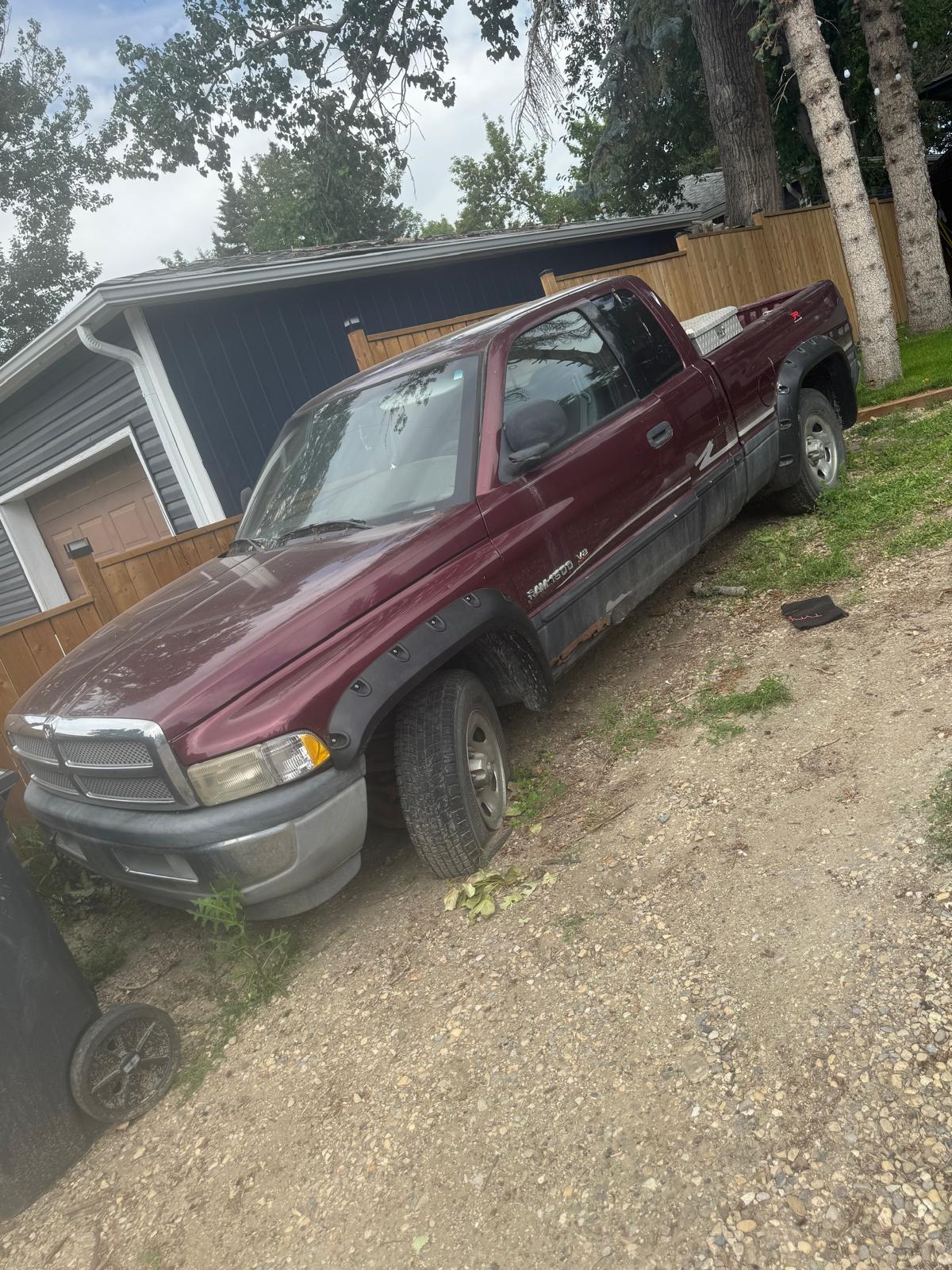
A blown engine can make an otherwise useful vehicle feel almost worthless. When the engine fails, many owners immediately assume they have only two choices: spend thousands on a replacement engine or send the car to the scrapyard. Fortunately, there is another option.
You can sell a car with a blown engine without repairing it first. The key is understanding what your vehicle is still worth, comparing your selling options, and avoiding repairs that cost more than they add to the car's final value.
Whether your vehicle stopped running because of a seized engine, severe overheating, low oil pressure, or internal engine damage, you can still turn it into cash.
What Does a Blown Engine Actually Mean?
A blown engine generally refers to major internal engine damage that prevents the motor from operating properly. The problem could involve damaged pistons, connecting rods, bearings, cylinders, valves, or other critical components.
Sometimes an engine failure is relatively straightforward to diagnose. Other times, the exact problem is unclear until a mechanic performs a detailed inspection.
Before deciding what to do with the vehicle, find out as much as you reasonably can about the problem. If you already have a mechanic's diagnosis, keep the paperwork. It can help you explain the vehicle's condition to potential buyers and avoid unnecessary arguments about what is wrong with the car.
Should You Repair the Engine Before Selling?
This is one of the biggest decisions owners face.
A replacement engine, labor, fluids, parts, and additional repairs can quickly become expensive. Even after spending thousands of dollars, there is no guarantee that the vehicle will be worth significantly more than the amount invested.
For an older vehicle with high mileage or several existing problems, an expensive engine repair may not make financial sense.
Instead of asking, “How much would it cost to make this car perfect?” ask:
“Will the increase in selling price be greater than the repair cost?”
If the answer is no, selling the vehicle in its current condition may be the smarter financial decision.
Find Out What Your Car Is Worth as It Sits
A car with a failed engine is not automatically worthless.
Its value can come from several different sources, including:
- Working transmission
- Usable body panels
- Wheels and tires
- Catalytic converter
- Interior components
- Electronics
- Alternator and starter
- Suspension components
- Reusable mechanical parts
- Scrap metal
The make, model, year, mileage, overall condition, and demand for its parts can all influence the offer.
For example, a vehicle with a blown engine but a good transmission and desirable parts may attract more interest than a heavily damaged vehicle with multiple missing components.
Get More Than One Offer
One of the easiest ways to avoid accepting a low offer is to compare multiple buyers.
Don't rely on the first number you hear. Contact several potential buyers and provide each one with the same information. Tell them that the engine has failed and explain any other major problems honestly.
Useful information includes:
- Vehicle make and model
- Model year
- Mileage
- Engine condition
- Transmission condition
- Accident history
- Overall exterior condition
- Whether the car starts or moves
- Location of the vehicle
- Whether you have the keys and ownership documents
Giving accurate information helps buyers provide more realistic quotes and reduces the chance of unexpected changes later.
Don't Hide the Blown Engine
Trying to make a damaged vehicle appear healthier than it really is can create problems.
Be upfront about the engine failure. If the car does not start, say so. If the transmission works but the engine does not, mention that too.
Honesty can actually make the selling process easier because serious buyers already understand that they are purchasing a vehicle that needs work.
A buyer who specializes in damaged, unwanted, or end-of-life vehicles may evaluate the car based on its usable parts and salvage value rather than expecting it to operate normally.
Consider Selling It for Parts or Scrap
If repairing the engine doesn't make financial sense, consider buyers who purchase vehicles for parts, salvage, or scrap.
A damaged car can contain many valuable components even when the engine itself is unusable. Depending on the vehicle, buyers may be interested in the transmission, catalytic converter, wheels, doors, seats, electronics, body panels, and other components.
Vehicles also contain recyclable metals. The weight and composition of the vehicle can contribute to its scrap value.
This is why a car with a blown engine can still have monetary value even when it cannot be driven.
Factor Towing Into Your Final Amount
A common mistake is focusing only on the quoted price.
Suppose one buyer offers $1,200 but charges a large pickup fee, while another offers $1,050 with free towing. The second offer could actually leave you with more money.
Before accepting an offer, ask:
“How much will I actually receive after towing, pickup, paperwork, or other fees?”
If the vehicle is completely undrivable, free towing can be especially important. You shouldn't have to spend a large amount of money simply to transport a car that you are trying to sell.
Prepare the Car Before the Buyer Arrives
You don't need to spend thousands preparing a car with a blown engine, but a few simple steps can make the transaction easier.
Remove your personal belongings from the vehicle. Check the trunk, glove compartment, center console, door pockets, and under the seats.
Gather the keys and ownership documents you have available. If you have maintenance records or a mechanic's diagnosis, keep those nearby as well.
You can also take clear photos of the exterior, interior, tires, engine compartment, and any visible damage. Good photos can help buyers understand the vehicle's condition before arranging pickup.
Avoid Spending Money on Cosmetic Repairs
If the engine is seriously damaged, expensive cosmetic improvements usually aren't the best use of your money.
You probably don't need professional detailing, new paint, expensive bodywork, or replacement parts just to make the vehicle look better.
A basic cleanup is fine, but focus on presenting the car honestly rather than trying to transform it.
The goal isn't to make the vehicle look like a running car. The goal is to find a buyer who understands its current condition and can make a reasonable offer.
What If You Still Owe Money on the Car?
Selling a vehicle with a blown engine can be more complicated if you still have an outstanding auto loan.
Before making a deal, find out your remaining loan balance and understand what your lender requires to transfer ownership or pay off the loan.
If the amount you owe is greater than the vehicle's selling price, you may need to cover the difference. Don't assume a buyer can automatically take over your loan.
Handling the paperwork properly can prevent ownership and payment problems later.
A Simple Strategy for Selling a Car With a Blown Engine
You don't need to overcomplicate the process. Follow these steps:
1. Diagnose the problem.
Find out what happened to the engine and document the issue if possible.
2. Estimate the repair cost.
Get a realistic idea of what an engine replacement or major repair would cost.
3. Compare repair versus selling as-is.
If the repair costs more than the additional value it creates, selling as-is may make more sense.
4. Contact multiple buyers.
Compare offers instead of accepting the first quote.
5. Ask about towing.
Confirm whether pickup is included and whether there are any additional fees.
6. Prepare your paperwork.
Have the necessary ownership documents and keys ready.
7. Choose the offer with the best final value.
Don't automatically choose the highest advertised number. Consider the actual amount you will receive.
Final Thoughts
A blown engine doesn't necessarily mean your car has reached the end of its financial value. While replacing the engine may be worthwhile for some newer or valuable vehicles, it can be a poor investment when repair costs exceed the vehicle's potential increase in value.
Selling the car as-is can save you from taking on a major repair bill. By getting multiple offers, being honest about the engine problem, considering the vehicle's parts and scrap value, and confirming towing costs upfront, you can make a more informed decision.
The most important rule is simple: don't spend thousands trying to recover a vehicle's value if the numbers don't make sense. Sometimes the smartest way to get the most from a damaged car is to sell it exactly as it sits.

 English
 Arabic
 French
 Spanish
 Portuguese
 Deutsch
 Dutch
Dutch
 Italiano
 Russian
 Romaian
 Portuguese (Brazil)
 Greek
Greek
