


The Future of Play: Key Trends in the Smart Toys Market
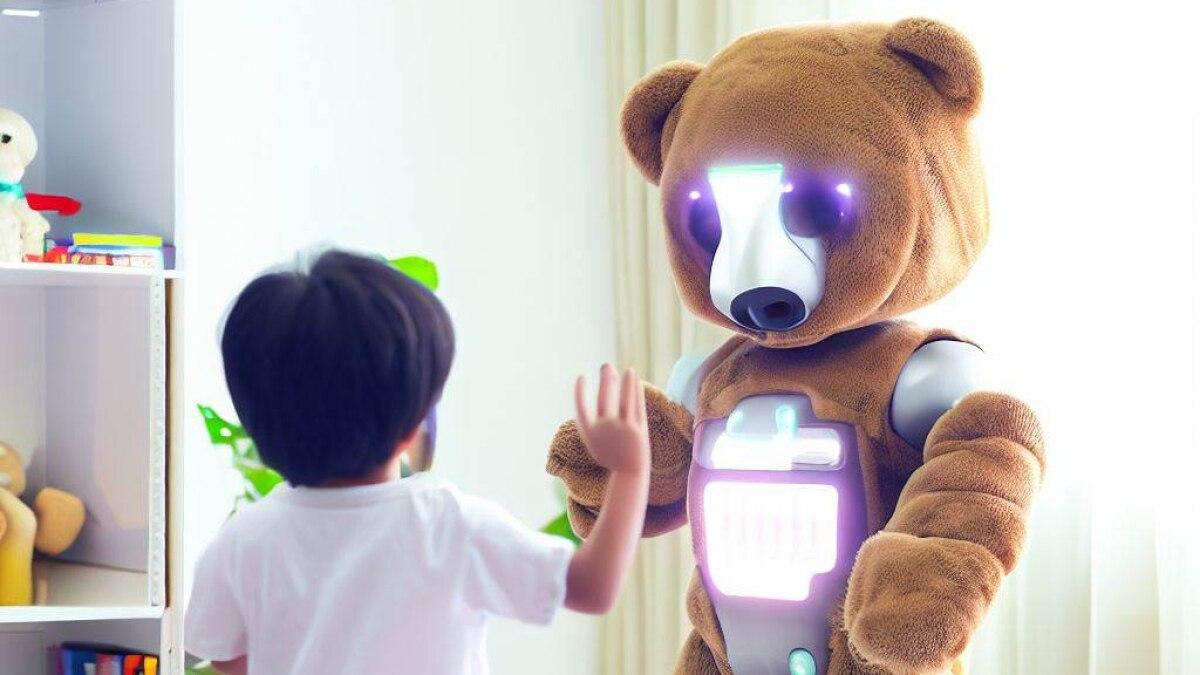
The smart toys market, having firmly established itself as a major force in the toy industry, is now on the brink of its next wave of innovation. The technology is evolving beyond simple app connectivity and is becoming more intelligent, more immersive, and more seamlessly integrated into the digital lives of children. An analysis of the key Smart Toys Market Trends reveals a clear trajectory towards more sophisticated on-device AI, the blurring of lines between physical and digital play through augmented reality, and a growing emphasis on personalization and adaptive learning. The dominant trend is the move away from cloud-dependent AI towards more powerful on-device processing, which enhances both performance and privacy. Concurrently, there is a strong push to use the smartphone or tablet camera to create mixed-reality experiences that bring physical toys to life in a digital world. Finally, the toys themselves are becoming more adept at understanding and adapting to an individual child's personality and skill level, creating a truly personalized play and learning journey. These trends are collectively shaping a future where toys are not just objects, but are interactive companions and personalized tutors.
The Shift to On-Device AI for Enhanced Privacy and Performance
One of the most significant and important trends in the smart toys market is the shift from cloud-based AI processing to on-device (or "edge") AI. Early conversational smart toys relied on sending voice data to the cloud for processing because the onboard chips were not powerful enough to run complex Natural Language Processing (NLP) models. This created concerns around data privacy and required a constant internet connection. The trend now, driven by the rapid advancement of low-power AI accelerators, is to perform as much of the AI processing as possible directly on the toy itself. This has several major advantages. Firstly, it dramatically improves privacy and security, as sensitive data like a child's voice recordings never have to leave the device. This is a huge selling point for privacy-conscious parents. Secondly, it improves performance and responsiveness. The toy can respond to commands and questions instantly, without the latency of a round trip to the cloud, making the interaction feel much more natural and real. Thirdly, it means the toy's core functions can work without an internet connection, making it more versatile and reliable. While the cloud will still be used for content updates, the core intelligence is moving to the edge.
The Rise of Mixed Reality and Augmented Reality (AR) Toys
Another powerful trend that is redefining the play experience is the integration of Augmented Reality (AR), which blurs the lines between the physical toy and a digital world. This trend leverages the camera and screen of a smartphone or tablet to overlay digital content and animations onto the real-world view of a physical toy or playset. For example, a child could build a physical LEGO castle, and then by pointing a tablet at it, they could see digital dragons flying around it, or see virtual characters pop up and interact with the physical structure. A coloring book could come to life, with the characters a child has colored lifting off the page as 3D, animated versions on the tablet's screen. This "mixed-reality" approach is incredibly powerful because it combines the tactile, hands-on benefits of physical play with the immersive and dynamic engagement of a video game. It encourages children to interact with the physical world while extending the narrative and play possibilities into a limitless digital realm. As the AR capabilities of standard smartphones continue to improve, this is poised to become a major category within the smart toys market.
Personalization and Adaptive Learning for Individualized Play
A third major trend is the move towards greater personalization and adaptive learning, transforming the smart toy from a one-size-fits-all product into a customized companion that grows with the child. The AI in the toy is being designed to learn and adapt to an individual child's personality, interests, and developmental level. For a conversational toy, this might mean remembering a child's favorite color or the name of their pet and incorporating that into future conversations. For an educational or coding toy, this means the difficulty of the challenges and puzzles can be automatically adjusted based on the child's performance. If a child is struggling with a particular concept, the toy can offer simpler exercises or provide hints. If a child is excelling, it can introduce more advanced concepts to keep them challenged and engaged. This adaptive learning capability is a key part of the "edutainment" value proposition. It ensures that the toy remains relevant and appropriately challenging for a longer period of time, providing a much more effective and personalized learning journey than a static toy or a generic educational app. This level of personalization is what will truly define the next generation of smart toys.
➤ In-Depth Market Studies by Market Research Future:

 English
 Arabic
 French
 Spanish
 Portuguese
 Deutsch
 Turkish
 Dutch
Dutch
 Italiano
 Russian
 Portuguese (Brazil)
 Greek
Greek
