


Material Control and Precision in Clothing Assembly
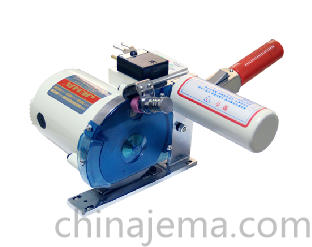
In apparel manufacturing, fastening components combine practical function with visual design, and button attachment is an important process that influences both garment construction and the final user experience. Buttons may be small compared with larger fabric panels, yet their position, stability, and relationship with the surrounding material can affect how a shirt, coat, uniform, or fashion item performs during everyday use. For this reason, manufacturers increasingly pay attention to the technology used to organize and automate fastening operations.
Different garments require different button materials and structures. Buttons can be produced from plastics, metal, resin, natural materials, or other engineered compounds, while fabrics may include cotton, polyester, wool, blended textiles, technical fabrics, and stretch materials. These combinations create different processing conditions. A fastening system must account for the relationship between the button and fabric rather than focusing only on the component itself. Understanding material behavior is therefore an important part of developing a reliable production process.
Automation provides manufacturers with a practical way to create greater consistency across repeated operations. Manual fastening depends on operator positioning, feeding, and working rhythm, while automated equipment can organize these actions into a more controlled sequence. This can help production teams maintain stable workflows when processing large numbers of garments. For manufacturers supplying international apparel markets, repeatability is especially valuable because the same product design may need to be reproduced across different production periods.
Positioning is another important aspect of fastening technology. A button must work together with its corresponding opening or fastening structure, which means that placement needs to be considered in relation to the garment pattern. Consistent positioning supports both appearance and functionality. From a production perspective, accurate placement also reduces the possibility of repeated adjustments later in the assembly process. A carefully organized workflow can therefore save time while supporting the visual standards expected by modern clothing brands.
The material relationship becomes even more important when working with delicate or flexible fabrics. Lightweight textiles may respond differently to mechanical pressure than heavier woven materials, while stretch fabrics can move during processing. An effective system should provide controlled handling without creating unnecessary stress on the garment. This requires manufacturers and machinery developers to consider feeding, positioning, fastening force, and material support as connected elements rather than isolated functions.
For consumers, fastening quality has a direct emotional connection with clothing. People expect buttons to feel comfortable, operate naturally, and remain visually consistent with the garment. A well-attached button may not attract attention, but an unreliable fastening component can quickly affect confidence in a product. This makes fastening technology part of the hidden quality behind everyday comfort. Manufacturers that pay attention to these details can create products that feel more dependable without relying on exaggerated claims.
Modern production also benefits from flexible automation. Fashion manufacturers may need to change styles frequently, work with different fabrics, or produce garments for different market segments. Machinery designed around adaptable production principles can help businesses respond to these changes more efficiently. Instead of creating a rigid workflow for one product, flexible equipment can support a broader range of manufacturing tasks. JEMA focuses on practical automation solutions that connect machinery performance with the changing needs of textile production.
Another consideration is the relationship between fastening operations and overall production efficiency. Button processing rarely exists as a completely independent activity. It connects with fabric preparation, sewing, inspection, finishing, packaging, and quality management. When one stage operates inconsistently, it can create delays elsewhere. Integrating automated fastening into a broader production strategy can therefore help manufacturers organize work more effectively and reduce unnecessary handling between stages.
Sustainability also has a role in modern fastening operations. Better process control can help reduce material waste, repeated work, and avoidable production errors. Durable fastening can additionally support the long-term usability of finished garments, which is increasingly relevant as the textile industry considers product life and resource efficiency. While machinery cannot solve every sustainability challenge, well-organized automation can contribute to more responsible manufacturing practices.
Operator experience should not be overlooked. Automated machinery still depends on people for setup, monitoring, maintenance, and production management. Equipment with an understandable operating structure can make daily work more organized and reduce unnecessary complexity. A practical balance between automation and human oversight allows manufacturers to benefit from technology while keeping production responsive to real-world conditions.
As apparel manufacturing becomes more technology-driven, button attachment is increasingly viewed as part of a complete automated production workflow rather than an isolated fastening step. Material compatibility, positioning, machine organization, operator interaction, and downstream assembly all contribute to the result. Manufacturers exploring textile automation and fastening equipment can learn more about JEMA's production solutions at https://www.chinajema.com/product/ as they plan efficient and adaptable garment manufacturing processes.

 English
 Arabic
 French
 Spanish
 Portuguese
 Deutsch
 Turkish
 Dutch
Dutch
 Italiano
 Russian
 Portuguese (Brazil)
 Greek
Greek
