


The Role of Familiar Surroundings in Dementia Care at Home
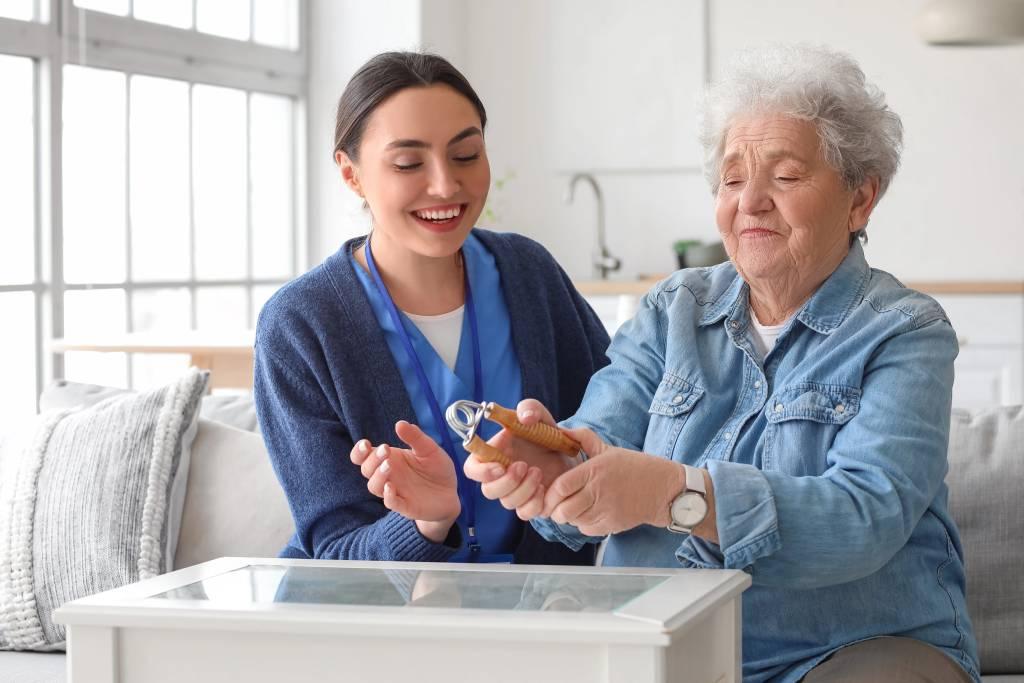
Creating a familiar and supportive environment can make a significant difference in the daily lives of people living with dementia. Families seeking Dementia Care At Home In Dubai can help reduce confusion, anxiety, and distress by maintaining surroundings that feel recognizable and predictable. Familiar rooms, personal belongings, regular routines, and meaningful objects can provide reassurance when memory and orientation become increasingly difficult. A Doctor at Home can also offer convenient medical support when health concerns arise, allowing the individual to receive appropriate attention without unnecessary disruption to their familiar environment. Combining a comfortable home setting with professional care can promote safety, dignity, and emotional well-being.
Why Familiar Surroundings Matter in Dementia Care:
Dementia can affect a person's ability to recognize places, remember recent events, and understand changes in their surroundings. As these abilities decline, familiar environments can provide important visual and emotional cues. A person may feel more secure when they wake up in a room they recognize, see family photographs, or sit in a favorite chair. Familiarity can reduce the mental effort required to understand the environment and may help minimize anxiety caused by unfamiliar situations. For caregivers, maintaining a consistent home setting also makes it easier to establish routines and identify changes in behavior. Instead of constantly adapting the person to new environments, caregivers can modify the existing home gradually to meet changing needs.
How Familiar Objects Provide Comfort:
Personal belongings can have strong emotional value for people living with dementia. Objects such as photographs, favorite books, familiar clothing, ornaments, music collections, or treasured household items may trigger positive memories and create a sense of continuity. Even when a person cannot clearly explain why an object is meaningful, its presence may provide reassurance. Caregivers can place familiar items in visible and accessible locations without overcrowding the living space. Useful examples include:
- Family photographs with names or relationships written underneath
- Favorite music or familiar television programs
- Well-known books, magazines, or hobbies
- Familiar furniture and household decorations
- Meaningful objects associated with important life experiences
Maintaining a Consistent Home Layout:
Frequent changes to furniture or room arrangements can increase confusion for someone with dementia. Keeping important areas in predictable locations can make navigation easier and encourage independence. For example, the bathroom, bedroom, kitchen, and frequently used seating areas should remain easy to identify. If furniture needs to be moved because of safety concerns, changes should be introduced gradually where possible. Clear pathways can reduce fall risks while adequate lighting can make objects and doorways easier to recognize. Simple visual signs or pictures may also help identify important rooms. The goal is to create an environment that is both familiar and functional, allowing the individual to move around with greater confidence while reducing unnecessary obstacles.
The Connection Between Routine and Familiarity:
Familiar surroundings work best when combined with predictable daily routines. A consistent schedule helps establish recognizable patterns for waking, eating, bathing, activities, medication, and bedtime. When a person knows what usually happens next, they may experience less uncertainty throughout the day. Caregivers can reinforce familiarity by performing regular activities in the same places and at similar times. A visible calendar or daily schedule may provide additional orientation. Familiar routines can include simple activities such as having breakfast at the same table, taking a short walk at a regular time, listening to favorite music in the afternoon, or following a relaxing bedtime ritual. These predictable patterns can make the home feel more stable and reassuring.
Using Familiarity to Reduce Anxiety:
Anxiety can occur when a person with dementia feels lost, overwhelmed, or unable to understand what is happening around them. Familiar surroundings may help reduce these feelings by providing recognizable sensory cues. Soft lighting, familiar sounds, comfortable temperatures, and known scents can contribute to a calming atmosphere. Caregivers should also consider how visitors, loud noises, television volume, or frequent interruptions affect the person. If anxiety increases during certain periods of the day, identifying environmental triggers can help caregivers make appropriate adjustments. Rather than immediately correcting confused statements, caregivers can use reassurance, gentle communication, and familiar objects or activities to redirect attention toward something comforting.
Making the Home Safer Without Losing Familiarity:
Safety modifications are important, but they should be introduced in ways that preserve as much familiarity and independence as possible. Dementia can increase the risk of falls, wandering, burns, medication errors, and other household accidents. Caregivers can remove unnecessary hazards while keeping frequently used items accessible. Some practical safety measures include:
- Removing loose rugs and clutter from walking areas
- Improving lighting in hallways, bathrooms, and bedrooms
- Installing appropriate bathroom safety equipment
- Keeping medications and hazardous products securely stored
- Using simple locks or monitoring systems where wandering presents a serious risk
- Keeping emergency contact information easily accessible
Safety changes should be reviewed regularly because the person's abilities may change as dementia progresses.
Supporting Independence Through Familiar Spaces:
A familiar home can help people with dementia continue performing everyday activities independently for as long as possible. When objects remain in predictable locations, the person may be able to find clothing, toiletries, kitchen items, or recreational materials without constant assistance. Caregivers can encourage independence by organizing belongings logically and keeping frequently used items within safe reach. Simple choices can also support autonomy. For example, a person might choose between two outfits or decide whether they want to listen to music or look through photographs. Allowing time to complete familiar activities can support confidence and preserve dignity, even when the person requires assistance with more complicated tasks.
The Importance of Familiar Faces and Relationships:
Familiar surroundings involve more than physical spaces. Familiar people and relationships can be equally important in creating emotional security. Regular interaction with trusted family members, caregivers, and friends can provide reassurance and reduce feelings of isolation. Familiar voices, facial expressions, and communication styles may help the person feel understood even when verbal communication becomes difficult. Caregivers should introduce unfamiliar people gradually and explain their role using simple language. Maintaining meaningful social connections can also encourage positive memories and provide opportunities for enjoyable interaction. Consistent caregivers may be particularly helpful because the person does not have to repeatedly adjust to different communication styles or personalities.
When Medical Care Is Needed at Home:
Although familiar surroundings can support comfort and stability, medical needs should not be overlooked. Changes in confusion, mood, sleep, appetite, mobility, or behavior may sometimes be associated with an underlying medical problem rather than dementia alone. Caregivers should seek professional advice when symptoms change suddenly or become concerning. A Doctor at Home can assess certain health concerns within the person's familiar environment, which may be especially helpful when traveling to a clinic causes significant stress. Healthcare professionals can also guide families regarding medication management, ongoing symptoms, and appropriate care arrangements. Combining medical oversight with a familiar home environment can create a more comprehensive approach to dementia care.
Adapting Familiar Surroundings as Dementia Progresses:
The meaning of a familiar environment can change as dementia advances. A layout that was once easy to navigate may eventually become difficult to understand, requiring thoughtful modifications. Caregivers should regularly evaluate whether the home remains comfortable, accessible, and safe. Changes should ideally be gradual so the person has time to adjust. Important considerations include mobility, vision, hearing, bathroom access, sleeping patterns, and the ability to recognize different rooms. Rather than completely redesigning the home, caregivers can make small targeted improvements while retaining familiar furniture, colors, photographs, and personal possessions. If professional advice is needed, a Doctor at Home can be part of the wider healthcare support available to the family.
Final Thoughts
Familiar surroundings play an important role in supporting comfort, orientation, independence, and emotional well-being for people living with dementia. A recognizable home environment can provide stability when memory and cognitive abilities change, while familiar objects, faces, routines, and sensory experiences can offer reassurance during moments of confusion. Families providing Dementia Care At Home In Dubai should aim to balance familiarity with evolving safety needs, making gradual adjustments as the condition progresses. With thoughtful environmental planning, compassionate caregiving, and appropriate professional support, home can remain a place where a person with dementia feels secure, respected, and connected to the life they know.

 Arabic
 French
 Spanish
 Portuguese
 Deutsch
 Turkish
 Dutch
Dutch
 Italiano
 Russian
 Romaian
 Portuguese (Brazil)
 Greek
Greek
