


How Does Tacrolimus Suppress the Immune System After Organ Transplantation?
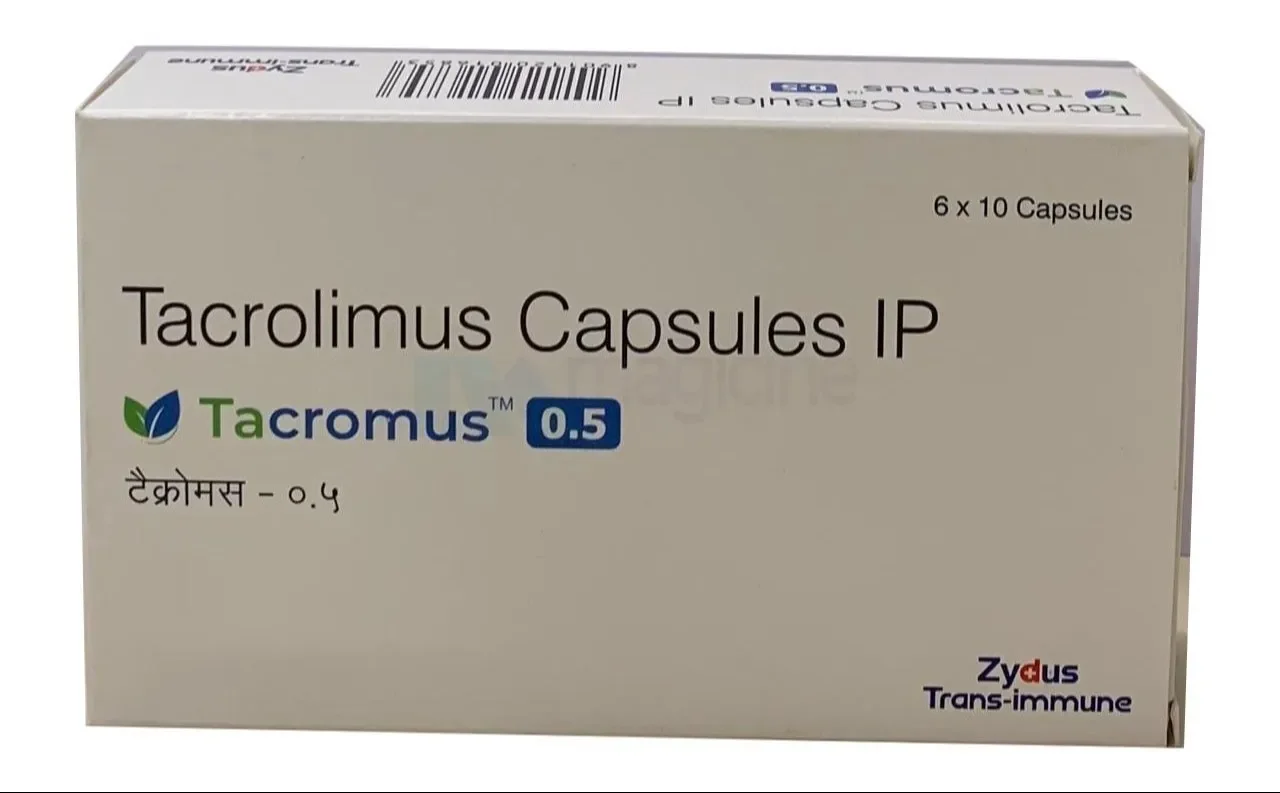
Following the transplant of an organ, the immune system may detect the organ as foreign and proceed to reject it. This condition is referred to as organ rejection. There exists an immunosuppressant known as Tacrolimus which assists in regulating the activity of the immune system for organ survival.
Why Does the Immune System Attack a Transplanted Organ?
The Immune system acts to protect the body against foreign materials. The immune system after the transplant may be triggered into recognizing the organ as something different from its own cells and attacking it through the immune cells. The T-cells have a major function in this process because they can cause inflammation among others to attack the transplanted organ.
How Does The Medicine Control T-Cell Activity?
The main mechanism of action of the capsule is the inhibition of a pathway necessary for T-cell activation. It binds with a protein called FKBP-12 to form a complex, which will inhibit calcineurin. Calcineurin is inhibited, which means that some transcription factors cannot be activated and production of cytokines like interleukin-2 will be decreased.
What Is the Role of The Capsule After Transplantation?
The medicine assists in reducing the immune response to avoid an attack by the body on the transplanted organ. It is often used in combination therapy as opposed to being used alone. It may be given in the case of:
-
Transplantation of the kidney
-
Transplantation of the liver
-
Transplantation of the heart
Why Is Blood Monitoring Important During The Treatment?
It has a narrow therapeutic window and hence it is important to maintain appropriate blood concentrations. Insufficient concentrations can lead to increased rejection risk, while excessive concentrations lead to increased risk of toxicity. Blood concentrations of tacrolimus 1mg along with kidney function, blood pressure, blood glucose, among others can be assessed by doctors on a regular basis.
What Side Effects Should Patients Know About The Medicine?
However, the capsule has side effects that may vary among different patients are:
-
Tremors or headaches
-
Diarrhoea
-
Nausea
-
Hypertension
-
Elevated blood sugar levels
-
Changes in kidney function
-
Risk of infections
Since the drug acts by inhibiting the immune system of the body, there is a risk of increased susceptibility to infections.
Can Patient Stopped Taking The Medicine After the Transplant Becomes Stable?
The medicine should neither be discontinued nor the dosage modified without the input of the transplantation expert. In spite of a successfully working transplanted organ, the patient still requires continuous immunosuppression to prevent its rejection.
Conclusion
The Tacrolimus capsule uses in organ transplantation acts by inhibiting the activation and proliferation of T-cells via inhibition of the calcineurin pathway. However, monitoring of blood levels during therapy is very vital because it ensures that the drug stays within the right therapeutic range.
FAQs
1. Is there any effect on kidney function by the medicine?
Yes, kidney functions may be affected by the treatment. This is the reason that kidney functions along with this capsule level in the body are constantly observed during therapy.
2. Does this immunosuppressant medication be able to cause infection?
Yes. As this medicine suppresses the immune system, chances of getting infection may be increased.

 English
 Arabic
 French
 Spanish
 Portuguese
 Deutsch
 Turkish
 Dutch
Dutch
 Russian
 Romaian
 Portuguese (Brazil)
 Greek
Greek
