


Key Benefits of Using Subsea Electrical Fiber Connectors in Marine Applications
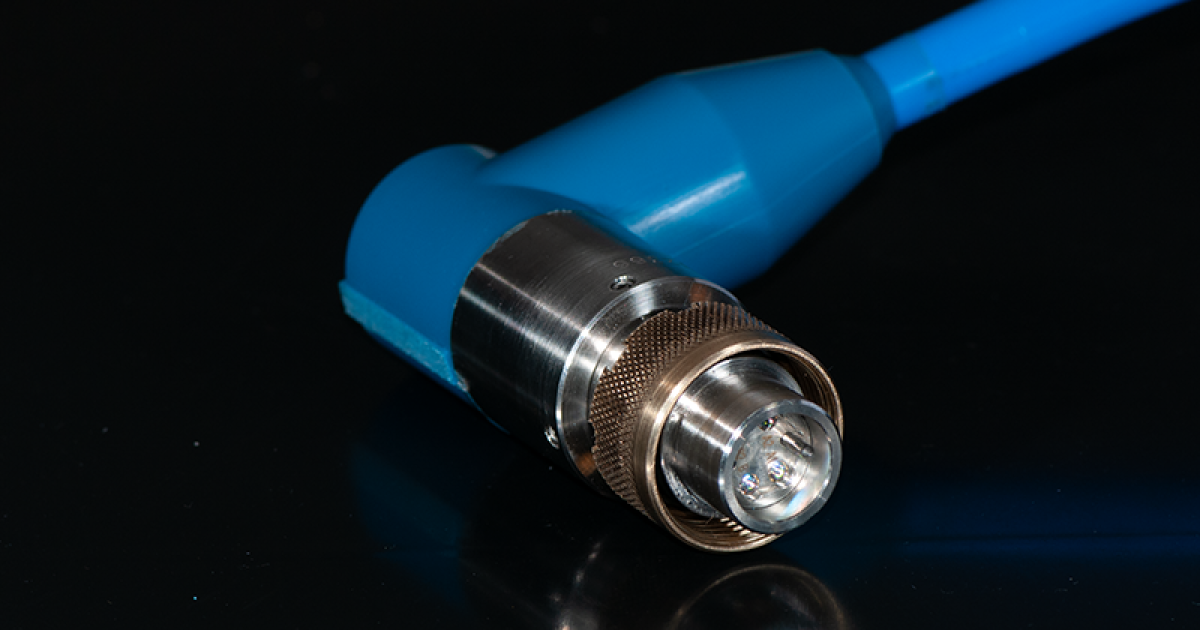
Marine environments are among the most demanding places for electrical and communication equipment. From offshore energy platforms and underwater monitoring systems to remotely operated vehicles (ROVs) and subsea infrastructure, equipment must operate reliably under high pressure, moisture, corrosion, and mechanical stress. Reliable connection technology is therefore essential for maintaining power and data transmission beneath the water.
A subsea electrical fiber connector is designed to provide dependable connectivity in underwater environments where conventional connectors may struggle. By combining robust construction with protection against water intrusion and environmental stress.
These connectors help marine systems maintain stable electrical and optical communication. Their specialized design makes them valuable for offshore industries that depend on uninterrupted underwater operations.
1. Reliable Performance Underwater
One of the biggest advantages of a subsea electrical fiber connector is its ability to provide reliable connections in challenging underwater conditions. Marine equipment can be exposed to seawater, pressure changes, vibration, temperature fluctuations, and mechanical movement. Ordinary connectors may deteriorate when exposed to these factors for extended periods.
Subsea connectors are engineered with environmental protection in mind. Their sealing systems and durable materials help prevent moisture from reaching sensitive electrical or optical components. This allows connected systems to continue functioning even when installed at significant underwater depths.
For offshore operators, dependable connections can reduce interruptions and improve the overall reliability of subsea infrastructure.
2. Resistance to Corrosion
Saltwater is highly corrosive, making corrosion resistance a critical requirement for marine electrical equipment. Metal components that are not properly protected can gradually degrade, resulting in poor conductivity, signal problems, or complete connection failure.
A subsea electrical fiber connector typically uses materials and protective finishes selected for marine environments. Corrosion-resistant metals, specialized coatings, and effective sealing can help protect internal components from seawater exposure.
This durability is particularly important for equipment that remains underwater for long periods. By reducing corrosion-related failures, robust connector technology can extend maintenance intervals and help marine operators control long-term operating costs.
3. Effective Power and Data Transmission
Modern subsea systems often need to transmit both electrical power and high volumes of information. Underwater cameras, sensors, robotic systems, scientific instruments, and offshore energy equipment all rely on dependable communication and electrical connections.
Fiber technology provides high-speed data transmission with low signal loss over suitable distances, while electrical connectivity can support the power requirements of subsea equipment. Properly engineered connectors allow these systems to maintain effective communication between underwater components and surface-based control systems.
This makes advanced subsea connectivity useful for applications where real-time monitoring and rapid data transfer are essential.
4. High-Pressure Capability
As equipment moves deeper underwater, hydrostatic pressure increases significantly. Connectors that are suitable for surface applications may not be capable of maintaining their integrity at substantial depths.
Subsea connectors are specifically designed with pressure considerations in mind. Their housing, seals, and internal structures can be engineered to withstand demanding underwater conditions.
Pressure resistance is especially valuable in deep-sea exploration, offshore oil and gas operations, underwater research, and other applications where equipment must function far below the surface. A connector designed for the intended depth can help protect critical electrical and communication pathways.
5. Greater Equipment Reliability
A marine system is only as reliable as its individual components. A weak connection can potentially affect sensors, cameras, control systems, power equipment, or communication networks.
Using specialized subsea connectivity helps create a stronger connection between different parts of an underwater system. Reliable connectors can reduce the likelihood of intermittent signals, water-related damage, and connection degradation.
Improved reliability can also be important for remotely operated equipment. When a subsea system is difficult or expensive to access, preventing avoidable connector problems can save considerable time and resources.
6. Suitable for ROV and AUV Systems
Remotely operated vehicles and autonomous underwater vehicles are widely used for inspection, exploration, research, and offshore maintenance. These systems depend on electrical power, data communication, sensors, cameras, and control equipment.
A subsea electrical fiber connector can support these applications by providing dependable connectivity between different underwater components. For ROVs, connectors may be exposed to movement, vibration, pressure, and repeated deployment. AUVs similarly require compact and dependable components capable of operating without direct human intervention.
Reliable connectivity allows operators and autonomous systems to receive information from underwater sensors and equipment while maintaining communication with essential components.
7. Reduced Maintenance Requirements
Marine maintenance can be complicated because underwater equipment is often difficult and expensive to access. Divers, specialized vessels, ROVs, and other equipment may be required to inspect or replace components.
Durable subsea connectors can help reduce maintenance requirements by providing better resistance against environmental factors. Strong sealing, corrosion resistance, and mechanical durability can contribute to longer service life.
Although no connector eliminates maintenance completely, selecting a product designed specifically for the intended marine environment can reduce unnecessary service interruptions and support more predictable maintenance planning.
8. Improved Safety and Operational Efficiency
Reliable electrical and communication connections can contribute to safer marine operations. Offshore systems often depend on sensors and communication equipment to monitor conditions, control machinery, and identify potential problems.
When connectivity remains stable, operators can receive more consistent information from underwater equipment. This can improve decision-making and help teams respond more effectively to operational changes.
Furthermore, reducing connection failures can minimize downtime. For commercial marine operations, avoiding unnecessary interruptions can improve productivity and make projects more efficient.
9. Versatile Marine Applications
Subsea connector technology can be used across a broad range of industries. Offshore wind farms, oil and gas infrastructure, marine research, defense-related systems, underwater observatories, telecommunications, and oceanographic monitoring can all require dependable underwater connections.
The versatility of these connectors means they can be incorporated into different system architectures depending on power, data, depth, environmental, and mechanical requirements. Engineers can select suitable connector configurations based on the specific application.
As offshore infrastructure continues to expand, reliable underwater connectivity is likely to remain an important part of marine system design.
Choosing the Right Connector for Your Application
Selecting the correct connector requires careful consideration of several factors. Engineers should evaluate operating depth, pressure rating, electrical requirements, optical performance, corrosion resistance, temperature range, mating cycles, mechanical loads, and installation conditions.
It is also important to consider whether the connector will be permanently installed or regularly connected and disconnected. The intended application should determine the connector's construction, sealing technology, materials, and performance specifications.
Working with an experienced supplier can make the selection process easier because the connector can be matched to the actual environmental and operational requirements of the project.
About hysfsubsea
hysfsubsea focuses on connectivity solutions designed for demanding underwater and marine applications. By emphasizing dependable construction and performance-oriented subsea technology, the brand can support projects requiring reliable electrical and fiber-optic connections.
For marine engineers and offshore operators, selecting specialized connectivity products from an experienced subsea supplier can help improve system reliability, durability, and operational performance.
Conclusion
Subsea marine operations require connection technology that can withstand conditions far more demanding than those found in ordinary environments. From seawater and corrosion to high pressure, vibration, and difficult maintenance conditions, underwater systems need components designed for long-term reliability.
A subsea electrical fiber connector can provide important advantages, including dependable power and data transmission, environmental protection, pressure resistance, corrosion protection, and suitability for advanced underwater equipment.
Whether used in offshore energy, ROVs, AUVs, marine research, or underwater monitoring, the right connector can contribute significantly to system performance.

 English
 Arabic
 French
 Spanish
 Portuguese
 Turkish
 Dutch
Dutch
 Italiano
 Russian
 Romaian
 Portuguese (Brazil)
 Greek
Greek
