


How to Choose the Right Class O Acoustic Foam Sheets for Your Space
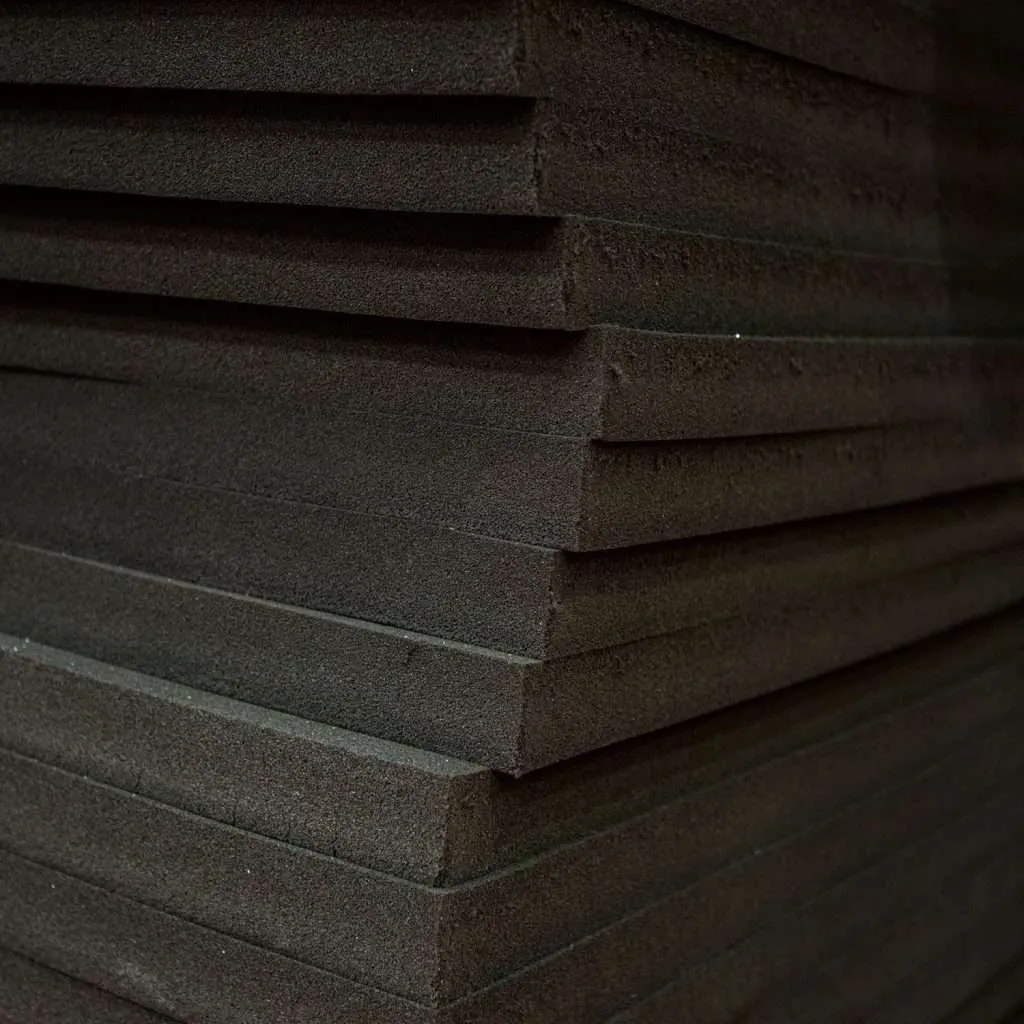
Creating a comfortable and acoustically balanced environment requires more than simply adding furniture or decorative materials. Sound can bounce from walls, ceilings, floors, and other hard surfaces, creating echoes, reverberation, and unwanted noise.
Whether you are designing a recording studio, office, home theater, podcast room, classroom, or entertainment space, choosing the right acoustic treatment can make a noticeable difference. Class O acoustic foam sheets can be a practical solution for controlling sound reflections while also providing important fire-performance characteristics.
However, not every acoustic foam product is suitable for every room. Factors such as room size, installation area, foam thickness, density, appearance, and acoustic requirements should all be considered before making a purchase. Understanding these factors will help you select a product that provides the right combination of performance, safety, and value.
Understand Your Acoustic Requirements
The first step is to identify what you want to achieve with acoustic foam. Different spaces have different sound-control requirements. A professional recording studio may require detailed acoustic treatment to reduce reflections and improve recording clarity, while a home office may only need basic echo reduction.
Before purchasing class o acoustic foam sheets, consider the main acoustic problem in your room. Are voices difficult to understand? Does music sound overly reflective? Is there a noticeable echo during conversations? Identifying the problem will help you determine where acoustic panels or foam should be installed.
It is also important to understand that acoustic foam primarily helps control sound reflections inside a room. It is not necessarily a complete soundproofing solution. If your goal is to prevent noise from entering or leaving a room, additional construction methods and sound-isolation materials may be required.
Consider Foam Thickness
Thickness is one of the most important characteristics to evaluate when choosing acoustic foam. Thicker foam generally provides greater sound absorption, particularly across a broader range of frequencies.
For areas where basic echo reduction is needed, thinner foam may be sufficient. However, rooms used for music production, voice recording, broadcasting, or home cinema may benefit from thicker acoustic treatment.
When selecting class o acoustic foam sheets, look at the thickness options available and match them to your room's acoustic requirements. Installing different thicknesses in strategic locations can also help create a more balanced acoustic environment.
Evaluate Foam Density
Foam density can influence both acoustic performance and durability. A suitable density can help the material absorb sound effectively while maintaining its physical structure over time.
The ideal density depends on the application. A small workspace may not require the same specification as a professional recording environment. Instead of choosing a product based solely on density, consider how density works together with thickness, surface profile, and the frequencies you want to control.
Product specifications should always be reviewed carefully before purchasing. Reliable suppliers should provide useful information about the foam's characteristics and recommended applications.
Check Fire Performance
Safety should be a major consideration when selecting materials for interior spaces. Acoustic foam is often installed on walls and ceilings, so understanding its fire classification is particularly important.
Class o acoustic foam sheets are designed for applications where fire-performance requirements are an important consideration. However, buyers should always check the specific certification and testing information supplied with the product rather than assuming that every product marketed as fire resistant meets the same standard.
This is especially important in commercial environments such as offices, schools, studios, theaters, hospitality venues, and public buildings. Building regulations and project specifications may require particular testing or certification, so it is sensible to verify compliance before installation.
Choose the Right Surface Profile
Acoustic foam comes in a variety of surface patterns, including wedge, pyramid, egg-crate, and other textured designs. These profiles can influence the way sound interacts with the foam surface while also affecting the visual appearance of the room.
A heavily textured surface can provide an interesting aesthetic in a recording studio or media room, while a simpler design may be preferable in an office or professional environment.
When choosing class o acoustic foam sheets, consider both performance and appearance. Acoustic treatment does not have to look out of place. Selecting a suitable profile can help the material blend into the room's overall design.
Think About Room Size and Coverage
The size of your room should influence how much acoustic foam you purchase. Covering only a small portion of a large room may not provide the desired acoustic improvement, while covering every surface with foam may not always be necessary.
Start by measuring the walls and ceiling areas where treatment may be installed. Pay particular attention to the surfaces directly opposite speakers, microphones, desks, or other areas where sound reflections are likely to create problems.
Strategic placement is often more effective than simply covering large areas randomly. Reflection points, corners, and other problematic surfaces can be prioritized according to the room's purpose.
Consider Installation Requirements
Before purchasing acoustic foam, think about how it will be installed. Some products can be attached using suitable adhesives, mounting systems, or other installation methods. The chosen method should provide secure attachment without unnecessarily damaging the underlying wall or ceiling.
For rented properties, removable mounting solutions may be preferable. Permanent installations may offer a stronger solution for commercial or dedicated studio environments.
You should also consider access for cleaning and maintenance. Acoustic foam can collect dust over time, particularly when installed in busy environments. Choosing a product that can be maintained appropriately can help preserve its appearance and performance.
Match the Foam to Your Space
Different environments call for different acoustic solutions. A podcast room may prioritize speech clarity, while a music studio may need more comprehensive frequency control. Offices may focus on reducing distracting conversations, whereas home theaters often require controlled reflections for a better listening experience.
Think about the people using the space and how sound behaves within it. The right treatment should improve the acoustic environment without creating an overly dead or unnatural sound.
If you are unsure about the correct amount or type of treatment, consulting an acoustic professional or experienced supplier can help. They can assess the room and recommend suitable materials based on its dimensions and intended use.
Compare Quality and Long-Term Value
Price is an important consideration, but it should not be the only factor. Extremely cheap acoustic foam may not provide the performance, durability, or safety characteristics required for your project.
Compare products based on their specifications, certifications, thickness, density, installation requirements, and expected lifespan. A slightly higher initial investment can be worthwhile if the material delivers better performance and remains effective for longer.
It is also useful to purchase from an established supplier that provides clear product information and customer support. This makes it easier to select the appropriate material and avoid unsuitable purchases.
Why Choose Allfoam?
Allfoam can be considered when looking for foam solutions for different acoustic and interior applications. When selecting acoustic foam, buyers should focus on product specifications, available thicknesses, fire-performance information, dimensions, and suitability for the intended environment.
A reliable supplier can make the selection process easier by providing clear details and helping customers identify an appropriate option for their particular space. Whether the project involves a studio, office, entertainment room, or another interior area, choosing foam based on practical requirements rather than appearance or price alone can lead to better long-term results.
Conclusion
Choosing the right acoustic foam requires careful consideration of several factors, including acoustic goals, thickness, density, fire performance, surface profile, coverage, installation, and overall product quality. Class o acoustic foam sheets can be a useful choice for environments where sound absorption and fire-performance considerations are both important.
Rather than purchasing based solely on price or appearance, assess the specific needs of your room first. Measure the available space, identify reflection problems, determine the required level of acoustic control, and verify product certifications.
With the right planning and installation strategy, acoustic foam can help create a more comfortable, clearer, and better-balanced environment for work, entertainment, communication, or creative production.

 English
 Arabic
 French
 Spanish
 Portuguese
 Deutsch
 Turkish
 Dutch
Dutch
 Italiano
 Romaian
 Portuguese (Brazil)
 Greek
Greek
