


Engineered Garments Clothing: A Modern Take on American Workwear
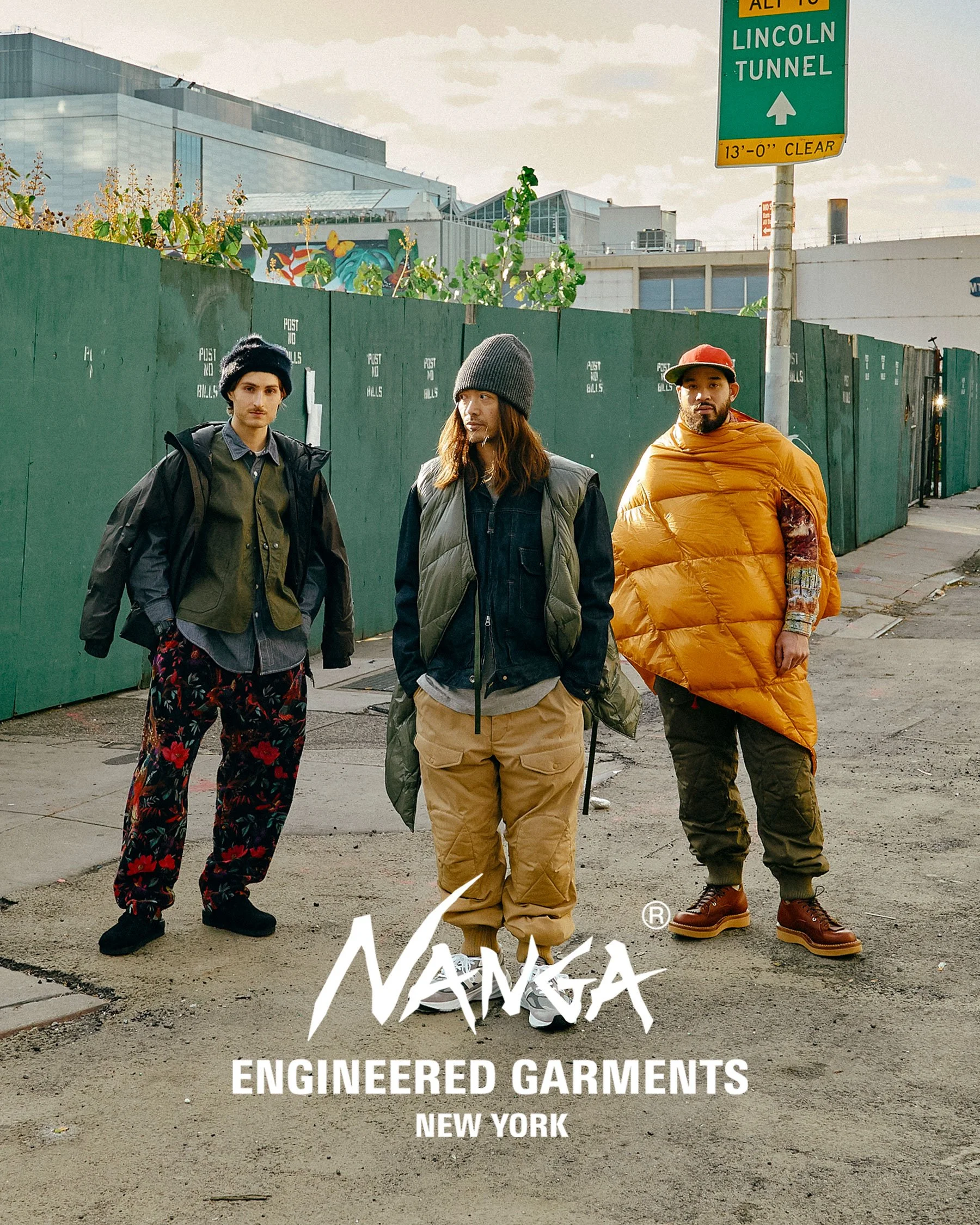
Engineered Garments Clothing has earned a place in modern fashion through its relaxed shapes, layered styling, practical details, and strong connection to classic American clothing. The label takes ideas from workwear, military uniforms, outdoor clothing, fishing gear, and traditional menswear, then gives them a fresh Japanese design perspective. Pocket layouts, fabric choices, button details, roomy cuts, and unusual proportions give each piece a character that feels different from ordinary casualwear. From Engineered Garments Jackets to shirts and trousers, the collection suits people who want everyday clothing with a clear sense of style.
How Engineered Garments Began
Engineered Garments was founded in New York in 1999 by Japanese designer Daiki Suzuki. His interest in American clothing history became a major part of the label's design direction. Suzuki studied garments worn by workers, soldiers, fishermen, outdoor enthusiasts, and tradespeople, paying close attention to how these clothes were shaped and made for daily use. He then combined those references with Japanese design sensibilities, creating clothing that feels familiar while carrying its own visual character. The New York setting also gave the label a natural connection to city dressing, classic menswear, and casual street style.
What Makes Engineered Garments Stand Out
The appeal of Engineered Garments Clothing often comes from small details rather than large graphics or obvious branding. Jackets may feature multiple pockets, unusual closures, contrasting fabrics, or carefully placed stitching. Shirts can use different collar shapes, patterns, or fabric textures, while trousers often feature generous cuts inspired by work and military clothing. Cotton, canvas, ripstop, chambray, Oxford cloth, flannel, denim, and wool are common choices that give garments a tactile feel. These details make familiar clothing categories feel fresh while keeping them easy to combine with everyday wardrobe pieces.
Engineered Garments Jackets for Everyday Layers
Engineered Garments Jackets are among the most recognisable pieces from the label and work well as the foundation of a layered outfit. Field jackets, chore coats, Bedford jackets, fatigue-inspired styles, and work jackets can be worn with jeans, chinos, fatigue trousers, sweatshirts, or simple T-shirts. A field jacket in olive or navy can create a relaxed city outfit with denim and trainers, while a chore coat can work with an Oxford shirt and leather boots. During colder weather, a flannel shirt or knit sweater beneath the jacket adds warmth and texture without making the outfit feel heavy.
Engineered Garments Shirts for Casual Wardrobes
Engineered Garments Shirts bring the label's workwear references into a form that can be worn throughout the week. Oxford shirts, utility shirts, camp-collar designs, chambray styles, flannel shirts, button-downs, and patterned options give wearers plenty of ways to build outfits. A lightweight shirt can be worn open over a plain T-shirt with denim, while a button-down shirt can sit neatly with relaxed trousers and boots. Patterned shirts can also become the main visual feature of an outfit when paired with simple pants and understated footwear.
Engineered Garments Pants and Relaxed Fits
Engineered Garments Pants are a good choice for anyone who enjoys relaxed silhouettes and workwear-inspired clothing. Fatigue pants, painter trousers, wide-leg styles, and utility trousers bring roomier proportions to casual outfits. A plain T-shirt and trainers create a simple weekend look, while an Oxford shirt and leather footwear can give the same trousers a more refined appearance. Short jackets often work well with wider pants because they create a clear balance between the upper and lower parts of the outfit. Neutral shades such as olive, khaki, navy, brown, and black are easy to combine with other wardrobe staples.
Easy Ways to Style Engineered Garments
Styling Engineered Garments does not require an outfit made entirely from the same label. A single jacket, shirt, or pair of trousers can become the main feature while other wardrobe pieces complete the look. Try an olive field jacket with a white T-shirt, blue denim, and canvas trainers for a relaxed city combination. A chore coat with an Oxford shirt, fatigue pants, and leather boots creates a classic workwear look. A patterned shirt can be worn with relaxed denim and simple canvas shoes for weekend dressing. Mixing textures such as denim, cotton, canvas, flannel, and wool can give the outfit more depth.
Choosing the Right Colours
Colour plays a big part in creating a balanced Engineered Garments outfit. Olive and khaki work naturally with blue denim, black trousers, cream shirts, and brown footwear. Navy can be matched with grey, white, beige, olive, or faded denim for a clean everyday combination. Earth tones suit autumn and winter wardrobes, while lighter cotton shades can work well during spring and summer. If you prefer understated clothing, begin with neutral colours and let the shape of the garment create visual interest. Printed shirts and patterned outerwear can then add more personality without making the complete outfit feel crowded.
Engineered Garments Through the Seasons
The range of fabrics and garment weights makes Engineered Garments Clothing suitable for different times of the year. Lightweight cotton shirts, fatigue pants, and unlined jackets can work well during warmer months, while flannel, denim, wool, and heavier outerwear suit cooler weather. Spring outfits can combine a chambray shirt with relaxed trousers and a light jacket. Summer looks can focus on breathable shirts, loose pants, and canvas footwear. Autumn allows room for chore coats, field jackets, flannel layers, and boots, while winter outfits can combine wool outerwear, knitwear, heavier shirts, and sturdy trousers.
Why Workwear Has Such a Strong Role
Workwear remains a major source of inspiration for Engineered Garments because its clothing references real garments made for movement, storage, protection, and long days of use. Chore coats, fatigue trousers, field jackets, utility shirts, and outdoor clothing all bring practical details that also suit modern casual dressing. Engineered Garments takes these familiar forms and changes their proportions, fabric combinations, pocket layouts, and finishing details. The result connects heritage clothing with present-day wardrobes while giving wearers room to create outfits that suit their own taste.
Japanese Design and American Clothing References
The relationship between Japanese design and American clothing history is central to the appeal of Engineered Garments. Daiki Suzuki's work looks closely at classic American garments while introducing Japanese ideas about proportion, fabric, layering, and construction. This approach allows familiar styles to appear different without losing their original character. The clothing can sit naturally beside denim, sweatshirts, knitwear, boots, trainers, caps, and canvas accessories. This mix gives Engineered Garments a broad appeal among people who enjoy vintage-inspired clothing but want pieces that fit comfortably into modern wardrobes.
How to Check Authentic Engineered Garments
When buying authentic Engineered Garments, start by checking the exact measurements rather than relying only on the size shown on the label. Look at the chest, shoulders, sleeve length, body length, waist, rise, thigh, inseam, and leg opening when those measurements are available. Labels, buttons, stitching, fabric composition, care information, pocket placement, and product photographs can also help you assess a garment. When buying an older piece, remember that labels, fabrics, fits, and measurements can differ between collections. A retailer with clear product information and detailed photographs makes it easier to compare the item with known Engineered Garments designs.
Building a Wardrobe Around Engineered Garments
A balanced wardrobe can start with one Engineered Garments jacket and expand with shirts, trousers, knitwear, denim, and suitable footwear. An olive field jacket can become a regular outer layer, while an Oxford shirt can work across casual and smarter outfits. Fatigue pants can replace jeans when you want a different silhouette, and a patterned shirt can add variety to simple weekend clothing. Neutral colours make it easier to combine pieces, while different textures keep outfits visually interesting. The label works well for people who prefer clothing that can be worn in several ways instead of pieces designed for only one type of outfit.
Frequently Asked Questions About Engineered Garments
What is Engineered Garments known for?
Engineered Garments is known for Japanese design influenced by American workwear, military clothing, outdoor garments, and traditional menswear. Its clothing often features relaxed fits, multiple pockets, textured fabrics, unusual proportions, and detailed construction.
Are Engineered Garments clothes good for everyday wear?
Yes, Engineered Garments pieces can fit easily into daily wardrobes. Jackets work with denim and trainers, shirts pair well with jeans or trousers, and fatigue pants can be worn with T-shirts, sweatshirts, boots, or casual shoes.
How do Engineered Garments Jackets fit?
Many Engineered Garments Jackets use relaxed proportions with room for layering. The fit can differ between styles, so checking the measurements of the exact jacket is the safest way to choose a suitable size.
What should I wear with Engineered Garments Pants?
Engineered Garments Pants can be worn with T-shirts, Oxford shirts, sweatshirts, flannel shirts, chore coats, field jackets, trainers, and boots. Shorter outerwear often creates a balanced look with wider trousers.
Are Engineered Garments Shirts suitable for summer?
Yes. Lightweight cotton, chambray, and breathable shirt styles can work well during warmer months. Wear them with relaxed pants, denim shorts, lightweight trousers, and canvas shoes for an easy seasonal outfit.
How can I buy authentic Engineered Garments Clothing?
Check garment measurements, labels, stitching, buttons, fabric details, care information, pocket layouts, and clear product photographs. Buying from a trusted fashion retailer can also make it easier to verify the exact style and collection.
The Lasting Appeal of Engineered Garments Clothing
Engineered Garments Clothing continues to attract fashion lovers who appreciate relaxed proportions, practical details, heritage references, and Japanese design. Engineered Garments Jackets, Engineered Garments Shirts, and Engineered Garments Pants can all become useful parts of a modern wardrobe, with styling options that work across casual settings and different seasons. Its New York beginnings, Japanese design background, and connection to American workwear give the label a clear place in contemporary fashion. For anyone who enjoys clothing with character, texture, and flexible styling, Engineered Garments offers a strong choice for everyday dressing.

 Arabic
 French
 Spanish
 Portuguese
 Deutsch
 Turkish
 Dutch
Dutch
 Italiano
 Russian
 Romaian
 Portuguese (Brazil)
 Greek
Greek
