


Ligament Surgery in Indore: Treatment, Procedure & Recovery
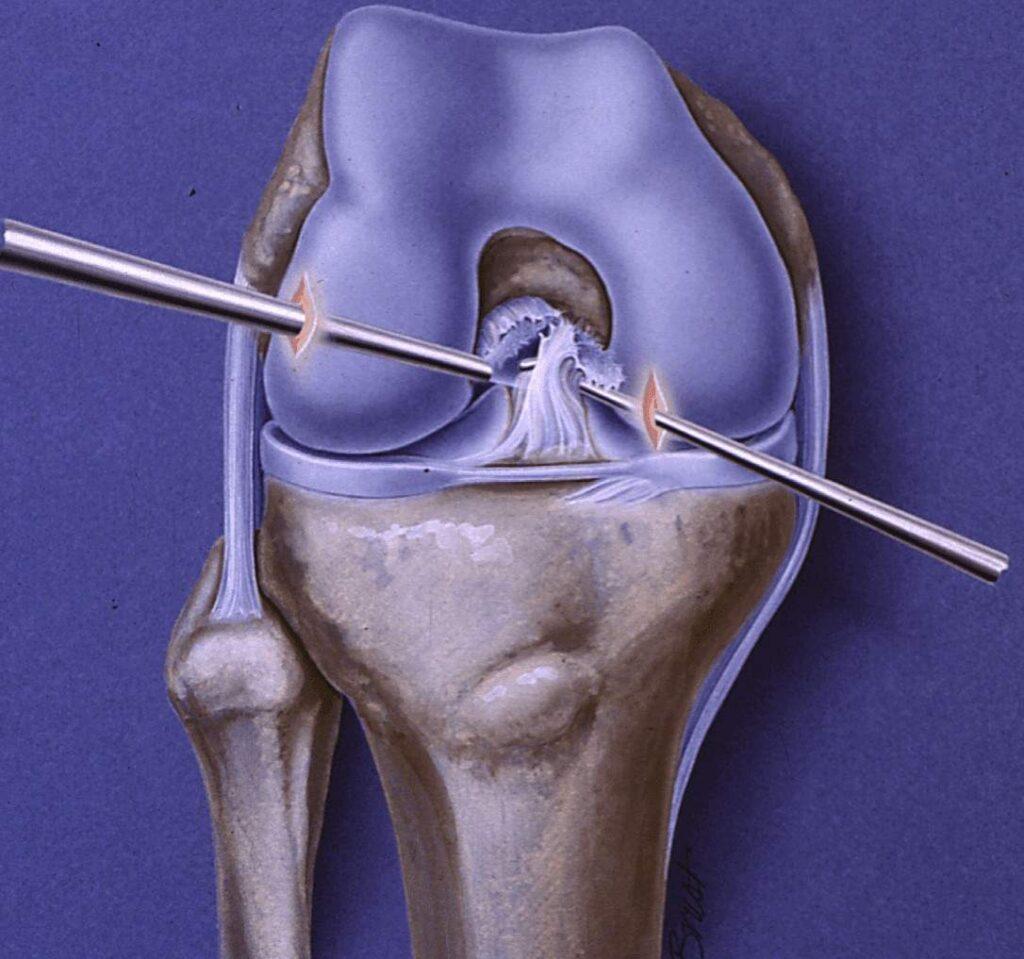
Ligament injuries are common among athletes, active individuals, and people who experience falls, accidents, or sudden twisting movements. A ligament is a strong band of connective tissue that connects bones and helps stabilize joints. When a ligament is severely stretched or torn, it can cause pain, swelling, instability, and difficulty performing everyday activities.
While some ligament injuries can improve with rest, physiotherapy, bracing, and medication, complete or severe tears may require surgical treatment. Choosing the right specialist for Ligament Surgery in Indore is important because proper diagnosis, surgical planning, and rehabilitation can significantly influence the recovery process.
Dr. Aditya Lakhotia provides orthopedic evaluation and treatment for different types of ligament injuries, with treatment planned according to the patient's injury, activity level, joint stability, and overall health.
What Is a Ligament Injury?
Ligaments connect one bone to another and provide stability to joints. A sudden force, excessive stretching, or twisting movement can damage these tissues.
Ligament injuries are commonly classified into three grades:
- Grade 1: The ligament is mildly stretched but remains intact.
- Grade 2: The ligament is partially torn, which may cause joint instability.
- Grade 3: The ligament is completely torn and may result in significant instability.
The severity of the injury determines whether conservative treatment or surgery is appropriate.
Common Ligament Injuries
Ligament injuries can occur in several joints, but they are particularly common around the knee and ankle.
ACL Injury
The anterior cruciate ligament (ACL) is one of the major stabilizing ligaments of the knee. ACL tears are frequently associated with sports involving sudden changes in direction, jumping, or pivoting.
Symptoms may include a popping sensation at the time of injury, swelling, pain, difficulty walking, and a feeling that the knee may give way.
PCL Injury
The posterior cruciate ligament (PCL) is another important knee ligament. PCL injuries can occur following high-impact trauma, sports injuries, or a forceful blow to the front of the knee.
MCL and LCL Injuries
The medial collateral ligament (MCL) and lateral collateral ligament (LCL) help stabilize the sides of the knee. Injuries may occur due to direct impact, twisting, or sports-related trauma.
Ankle Ligament Injuries
Ankle sprains commonly involve damage to the ligaments surrounding the ankle. Mild injuries may recover with conservative treatment, while severe instability or recurrent injuries may sometimes require surgical evaluation.
When Is Ligament Surgery Required?
Not every ligament tear requires surgery. The decision depends on several factors, including the type and severity of the tear, joint instability, age, activity level, associated injuries, and response to non-surgical treatment.
Surgery may be considered when:
- The ligament is completely torn.
- The joint remains unstable.
- The injury affects an individual's ability to participate in sports or physical activities.
- There are associated cartilage, meniscus, or bone injuries.
- Conservative treatment has not provided adequate improvement.
- Recurrent instability is affecting daily activities.
- The patient requires a stable joint for work or athletic activities.
An orthopedic specialist generally performs a detailed assessment before recommending surgery.
Diagnosis Before Ligament Surgery
Accurate diagnosis is essential for determining the most suitable treatment. During the consultation, the orthopedic specialist may evaluate the affected joint, ask about how the injury occurred, and assess pain, swelling, movement, and stability.
Diagnostic investigations may include:
- Physical examination
- X-rays to assess bones and joint alignment
- MRI to evaluate ligaments and other soft tissues
- Other imaging or tests when clinically required
An MRI can be particularly useful for evaluating soft-tissue injuries such as ligament and meniscus tears.
What Happens During Ligament Surgery?
The exact procedure depends on the ligament involved and the extent of the injury. For certain knee ligament injuries, especially ACL tears, reconstruction may be recommended rather than simply repairing the torn ligament.
During ligament reconstruction, the damaged ligament is replaced with a suitable graft. The graft may come from the patient's own tissue or, in selected cases, from donor tissue. The surgeon positions and secures the graft to restore joint stability.
Many ligament procedures can be performed using minimally invasive arthroscopic techniques. Small incisions and a camera-assisted approach may allow the surgeon to examine and treat structures inside the joint.
The specific surgical technique is selected based on the patient's injury and individual requirements.
Benefits of Appropriate Ligament Treatment
Timely and appropriate treatment can help:
- Improve joint stability
- Reduce recurrent episodes of instability
- Restore functional movement
- Support a gradual return to physical activity
- Address associated joint injuries
- Improve confidence while using the affected joint
However, surgery is only one part of successful treatment. Rehabilitation and following the surgeon's post-operative instructions are equally important.
Recovery After Ligament Surgery
Recovery varies from person to person and depends on the ligament treated, surgical technique, associated injuries, general health, and rehabilitation progress.
After surgery, patients may initially require support such as crutches or a brace. Physiotherapy usually plays an important role in restoring joint movement, muscle strength, balance, and functional stability.
A rehabilitation program may include:
- Managing pain and swelling
- Gradually restoring joint movement
- Strengthening the muscles around the joint
- Improving balance and coordination
- Progressively increasing weight-bearing and activity
- Functional exercises before returning to sports or demanding activities
Patients should not rush back to strenuous activity simply because pain has improved. Returning to work, sports, or exercise should follow the treating specialist's guidance.
Why Choose the Right Specialist for Ligament Surgery in Indore?
Choosing an experienced orthopedic surgeon is an important part of ligament injury management. A good treatment plan should begin with an accurate diagnosis and a clear understanding of the patient's goals.
When considering Ligament Surgery in Indore, patients should look for:
- Experience in treating ligament and sports-related injuries
- Appropriate diagnostic facilities
- A personalized treatment plan
- Clear explanation of surgical and non-surgical options
- Structured post-operative rehabilitation
- Regular follow-up during recovery
The goal should not simply be to perform surgery but to restore joint function and help the patient return safely to their desired level of activity.
Conclusion
A ligament tear can affect joint stability, mobility, work, sports performance, and everyday activities. While minor injuries may improve without surgery, severe tears or persistent instability may require surgical intervention.
If you are considering Ligament Surgery in Indore, an orthopedic evaluation can help determine the severity of the injury and whether surgery is actually necessary. With appropriate diagnosis, modern surgical techniques, and a structured rehabilitation program, many patients can work toward restoring joint stability and returning to their normal activities.
If you have persistent pain, swelling, instability, or difficulty using a joint after an injury, consult an orthopedic specialist for an appropriate evaluation and treatment plan.

 Arabic
 French
 Spanish
 Portuguese
 Deutsch
 Turkish
 Dutch
Dutch
 Italiano
 Russian
 Romaian
 Portuguese (Brazil)
 Greek
Greek
