


Which Features Should Buyers Compare in minidumperfactory Mini Dumper?
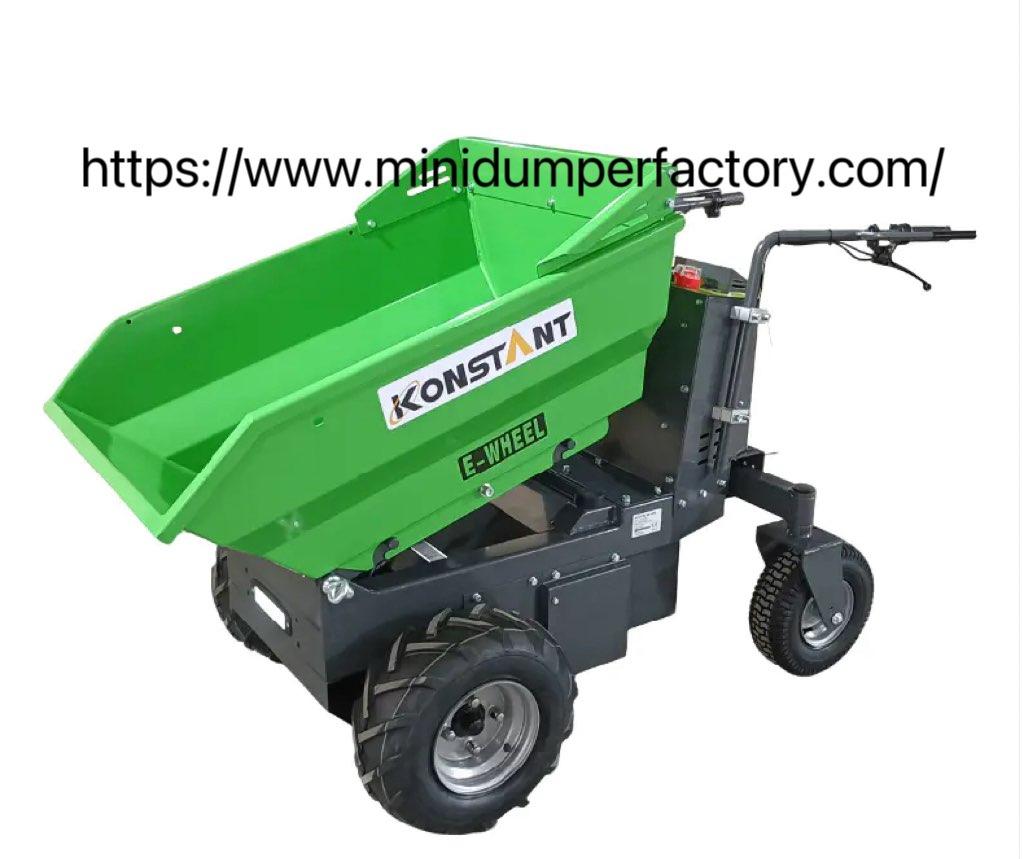
Mini Dumper selection should begin with the actual requirements of the project rather than a product photograph or quoted price. Buyers should consider payload, working terrain, access width, power source, tipping method, operating frequency, and maintenance needs before choosing equipment. For contractors, landscapers, farmers, rental businesses, and distributors, matching the machine configuration to the intended workload can make procurement decisions more practical. minidumperfactory provides battery-powered and gasoline-engine options for different working environments, giving buyers several configurations to compare.
Start With the Material to Be Transported
The first question is what materials will be moved during normal operation. Soil, gravel, sand, construction debris, garden waste, and agricultural materials can have different weights and loading characteristics.
Buyers should estimate the typical load rather than selecting equipment only according to the largest possible quantity. It is useful to calculate how much material needs to be transported during a normal working cycle and how many trips may be required during a day.
This information provides a practical starting point for comparing payload specifications. A suitable configuration should correspond to the expected workload without encouraging operators to routinely exceed the rated capacity.
Check the Available Working Space
Site dimensions can have a direct effect on equipment selection. Narrow pathways, gates, building entrances, garden areas, underground spaces, and compact construction zones may limit the size of machinery that can be used.
Before ordering, buyers can measure the narrowest access point, turning area, loading position, and unloading location. These measurements can then be compared with the machine dimensions and steering arrangement.
For projects where space changes frequently, maneuverability deserves particular attention. Articulated steering and compact configurations are available within the product range, giving buyers options for different site layouts.
Compare Battery and Gasoline Power
Power source is another important purchasing factor. Battery-powered equipment can be considered for locations where lower operating noise and reduced exhaust emissions are useful considerations. Gasoline-powered configurations may suit outdoor work where refueling infrastructure is already available.
The choice should be based on the working environment, daily operating duration, charging or refueling arrangements, transportation requirements, and local operating conditions.
For battery models, buyers should ask about battery capacity, expected working time, charging duration, replacement options, and charging conditions. For gasoline models, engine specification, fuel consumption, service intervals, and available replacement components should be discussed.
The website currently separates its range into battery-powered and gasoline-engine categories, allowing buyers to compare configurations according to their application.
Examine Terrain and Traction Requirements
A project on a flat concrete surface presents different requirements from one involving soil, slopes, gravel, mud, or uneven ground.
Buyers should identify the terrain before selecting the drive configuration. Questions about slope angles, surface conditions, ground clearance, traction, and expected weather conditions can help narrow the available choices.
Some models listed by minidumperfactory use four-wheel-drive systems or tracked undercarriages, while other configurations use different drive arrangements. The appropriate option depends on the actual terrain and load requirements rather than the product name alone.
Look Closely at the Tipping Method
Material transport does not end when the load reaches its destination. The unloading process can influence labor requirements, cycle time, and site organization.
Buyers should examine whether the bucket provides hydraulic tipping, high-level discharge, or another unloading arrangement. If material needs to be placed into a container, truck, trench, or designated stockpile, the discharge height and tipping range should be checked beforehand.
The current product range includes configurations with hydraulic tipping and lifting functions, as well as models designed around different loading and unloading requirements.
Consider Operator Controls and Daily Use
A machine can have suitable technical specifications but still be inconvenient if its controls do not match the operator or work environment.
Purchasing teams should review steering controls, braking arrangements, handle position, visibility, loading access, and the general operating procedure. If several workers will use the equipment, operator training and control familiarity should also be considered.
Ergonomic control arrangements can be particularly relevant for projects involving repeated transport cycles. Buyers should request operating information or product demonstrations when they need a clearer understanding of how a specific configuration will work in practice.
Review Maintenance Requirements
Maintenance should be part of the purchasing decision from the beginning. Buyers should ask which components require routine inspection, how frequently service is needed, and which replacement parts are normally kept in stock.
For battery-powered models, attention should be given to charging practices, electrical connections, battery condition, and storage. For gasoline configurations, buyers should consider engine oil, filters, fuel systems, belts, and other routine service items.
The manufacturer also provides maintenance-related industry information covering areas such as hydraulic systems, drive components, tires, electrical connections, and cleaning procedures.
Ask About Customization and Purchasing Support
B2B buyers may have requirements that are different from standard retail specifications. Distributors may need customized colors, logos, nameplates, manuals, or accessories, while engineering projects may require adjustments based on drawings or samples.
minidumperfactory states that it offers customization covering product colors, logos, nameplates, instruction manuals, and accessories. The company also states that products can be developed according to customer drawings or samples.
Before placing an order, buyers should provide expected quantities, application details, preferred configuration, branding requirements, packaging expectations, and delivery information. Clear technical communication at this stage can help both sides establish the correct production requirements.
Compare the Complete Purchase Plan
Price is useful for comparison, but it should not be the only factor in a B2B purchasing decision. Buyers should consider equipment specifications, operating conditions, maintenance arrangements, customization, spare parts, technical communication, and expected order frequency together.
A simple comparison sheet can include payload, dimensions, power source, drive system, tipping method, operating environment, maintenance requirements, and customization options. This gives purchasing teams a consistent way to compare different configurations.
For buyers who are preparing a new project, expanding a rental fleet, or sourcing equipment for distribution, minidumperfactory offers a range of battery-powered and gasoline-engine products that can be reviewed according to different application requirements. Buyers can browse the available product range through the https://www.minidumperfactory.com/product/ and contact the manufacturer with project specifications, drawings, or purchasing requirements.

 English
 Arabic
 French
 Spanish
 Portuguese
 Turkish
 Dutch
Dutch
 Italiano
 Russian
 Romaian
 Portuguese (Brazil)
 Greek
Greek
