


Dubai Off-Plan Properties for Sale: The Complete Buyer's Guide for 2026
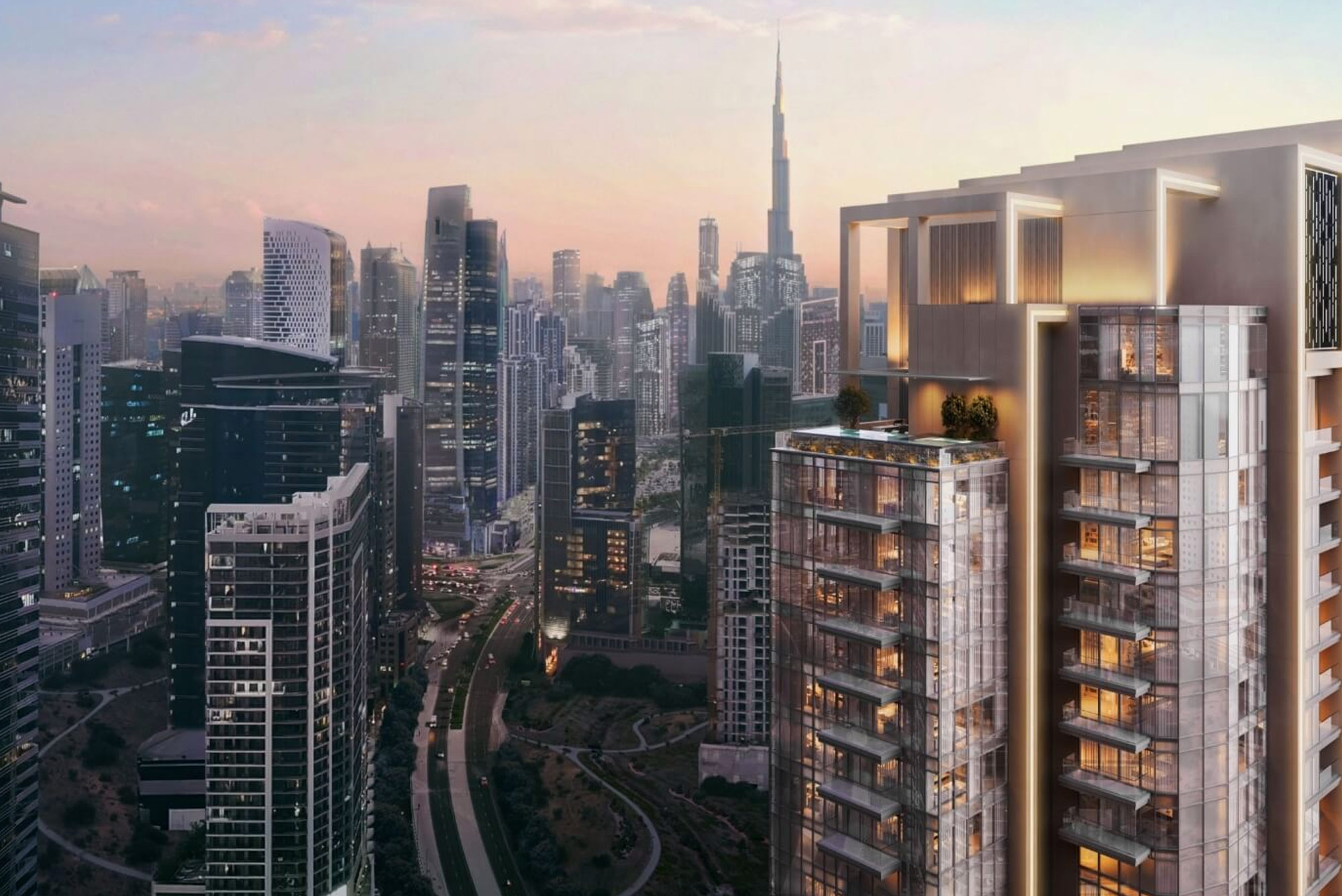 Dubai's skyline never stops changing, and neither does its appetite for new development. Every year, thousands of investors from around the world search for Dubai off-plan properties for sale, drawn by attractive payment plans, strong capital appreciation potential, and a regulatory system that has matured significantly over the past two decades. If you're considering buying off-plan in 2026, this guide walks you through everything you need to know before signing on the dotted line.
At Takween AlDar, we work with buyers at every stage of this journey, from first-time investors comparing developers to seasoned portfolio owners expanding their holdings in Dubai. This guide draws on that hands-on experience to give you a clear, practical roadmap.
What Does "Off-Plan Property" Actually Mean?
An off-plan property is a unit purchased directly from a developer before construction is complete, sometimes before the first brick is even laid. Buyers commit based on floor plans, 3D renderings, and a developer's track record rather than a finished, walkable unit. In exchange for that early commitment, buyers typically get lower entry prices, flexible payment plans, and first pick of the best units and floors.
Why Dubai Off-Plan Properties for Sale Remain Popular in 2026
The Dubai market has matured considerably since the early 2000s. A few factors continue to drive demand for off-plan property:
- Flexible payment plans. Many projects require a booking deposit of around 10–20% of the purchase price, with the balance spread across construction milestones and sometimes post-handover.
- Lower entry price points compared to ready properties in the same location.
- Capital appreciation potential as a project moves from launch to completion.
- Golden Visa eligibility, with property-based residency options available for qualifying purchases.
- No annual property tax for residents, which keeps the total cost of ownership competitive against many other global markets.
Understanding Buyer Protections: RERA and Escrow Accounts
This is the part every buyer should understand before transferring a single dirham.
Under Dubai Land Department (DLD) regulations, a developer cannot legally market or sell an off-plan unit without DLD registration and a RERA marketing permit. Every off-plan project must also have a dedicated, project-specific escrow account with a RERA-approved bank. Here's how it protects you:
- Your payments go directly into the project's escrow account, not into the developer's general operating funds.
- The developer can only withdraw funds in stages, tied to independently verified construction milestones — the pace of construction determines the pace of fund release, not the pace of sales.
- A portion of escrow funds is typically withheld until roughly a year after handover, acting as a guarantee for defect and snagging fixes.
- All sale and purchase agreements (SPAs) must use RERA-approved templates, which prevents developers from slipping in unfair terms.
Before committing to any purchase, it's worth verifying three things: that the project's escrow account is properly registered with the DLD, that the payment plan is tied to real construction milestones rather than front-loaded before meaningful progress, and that the developer has a solid track record of on-time delivery. This information can be checked through the Dubai REST app or the DLD's digital platforms.
Off-Plan vs. Ready Properties: A Quick Comparison
| Factor | Off-Plan | Ready Property |
|---|---|---|
| Entry price | Generally lower | Generally higher |
| Payment structure | Spread across construction period | Usually paid upfront or via mortgage |
| Rental income | None until handover | Immediate, if tenanted |
| Risk profile | Handover delays, market shifts during construction | Immediate visibility of the finished product |
| Customization | Sometimes possible pre-completion | Limited to renovation |
Neither option is universally "better" — the right choice depends on your investment horizon, appetite for risk, and whether you need immediate rental income.
Step-by-Step: How to Buy Off-Plan Property in Dubai
- Define your goals. Are you buying for long-term capital growth, rental yield, personal use, or Golden Visa eligibility? This shapes which projects and areas make sense.
- Research the developer. Look at their delivery history, financial standing, and how past projects performed after handover — not just the marketing materials for the current launch.
- Verify registration. Confirm the project has a valid Trakheesi permit, DLD registration, and an active escrow account before paying anything.
- Review the payment plan carefully. Understand what percentage is due at booking, during construction, and at (or after) handover.
- Read the SPA in detail. Pay close attention to the handover date, penalty clauses for delays, unit specifications, and what happens if the project is significantly delayed.
- Register your Oqood. This is the interim registration that records your ownership interest with the DLD before the final title deed is issued.
- Track construction progress. Use the Dubai REST app or DLD platforms to monitor milestone updates throughout the build.
- Plan for handover. Arrange a professional snagging inspection before signing the handover acceptance form, since your documented condition at that moment becomes the legal baseline for any future defect claims.
Risks to Watch For
Off-plan buying is far safer today than it was before 2008, but it isn't risk-free. Common pitfalls include:
- Handover delays. Under standard RERA-approved SPA templates, developers typically have a tolerance window (commonly around 12 months past the announced handover date) before a buyer can pursue cancellation — so patience, along with documentation, matters.
- Choosing the wrong location or project type based on marketing hype rather than genuine demand fundamentals.
- Underestimating additional costs, such as DLD registration fees, agency fees, and service charges post-handover.
- Skipping due diligence on the developer's financial health and previous project history.
Where to Look: Popular Areas for Off-Plan Properties in Dubai
Some of the most active areas for new off-plan launches include Downtown Dubai, Dubai Marina, Business Bay, Dubai Creek Harbour, Dubai South, and Mohammed Bin Rashid City (MBR City). Each offers a different mix of price point, expected completion timelines, and target buyer profile, from end-users to yield-focused investors.

How Takween AlDar Can Help
Navigating Dubai off-plan properties for sale involves more than picking a nice rendering from a brochure. At Takween AlDar, we help buyers shortlist verified, RERA-registered projects, compare payment plans side by side, and understand the fine print in the SPA before any commitment is made. Whether you're a first-time buyer or expanding an existing portfolio, our team is here to guide you through each stage of the process.
FAQ
Q: Is it safe to buy off-plan property in Dubai in 2026?
A: Yes, provided you buy from a RERA-registered developer with a verified, DLD-regulated escrow account and proper Oqood registration. The main risks today are handover delays and project selection, not fraud, as long as registration is confirmed before payment.
Q: How much deposit is typically required for off-plan properties in Dubai?
A: Most projects require a booking deposit of around 10–20% of the purchase price, with the remaining balance spread across installments tied to construction progress, and sometimes extending into a post-handover period.
Q: What happens if my off-plan project is delayed?
A: Standard RERA-approved SPAs generally include a tolerance period, often around 12 months past the announced handover date, before a buyer can pursue cancellation. During a delay, it's important to keep monitoring escrow activity and document any communication with the developer.
Q: Can foreign investors buy off-plan property in Dubai?
A: Yes. Foreign investors can hold freehold title in designated zones across Dubai, and off-plan purchases in these zones may also qualify for property-linked residency options, including the Golden Visa, depending on investment value and ownership structure.
Q: What is Oqood registration?
A: Oqood is the interim registration process that records a buyer's ownership interest in an off-plan unit with the Dubai Land Department before construction is complete and before the final title deed is issued.
Conclusion
Buying off-plan in Dubai in 2026 offers real opportunity, backed by a regulatory framework that has grown significantly more protective for buyers over the years. The key to a successful purchase is doing your homework: verify the developer, understand the escrow protections in place, read every clause of the SPA, and align the project with your actual investment goals. With the right guidance, dubai off-plan properties for sale can be one of the more rewarding ways to enter this market. If you'd like personalized support finding the right project, the team at Takween AlDar is ready to help.

 English
 Arabic
 French
 Spanish
 Portuguese
 Deutsch
 Turkish
 Dutch
Dutch
 Italiano
 Russian
 Portuguese (Brazil)
 Greek
Greek
