


How to Identify High-Quality Vibrating Equipment for Industrial Use
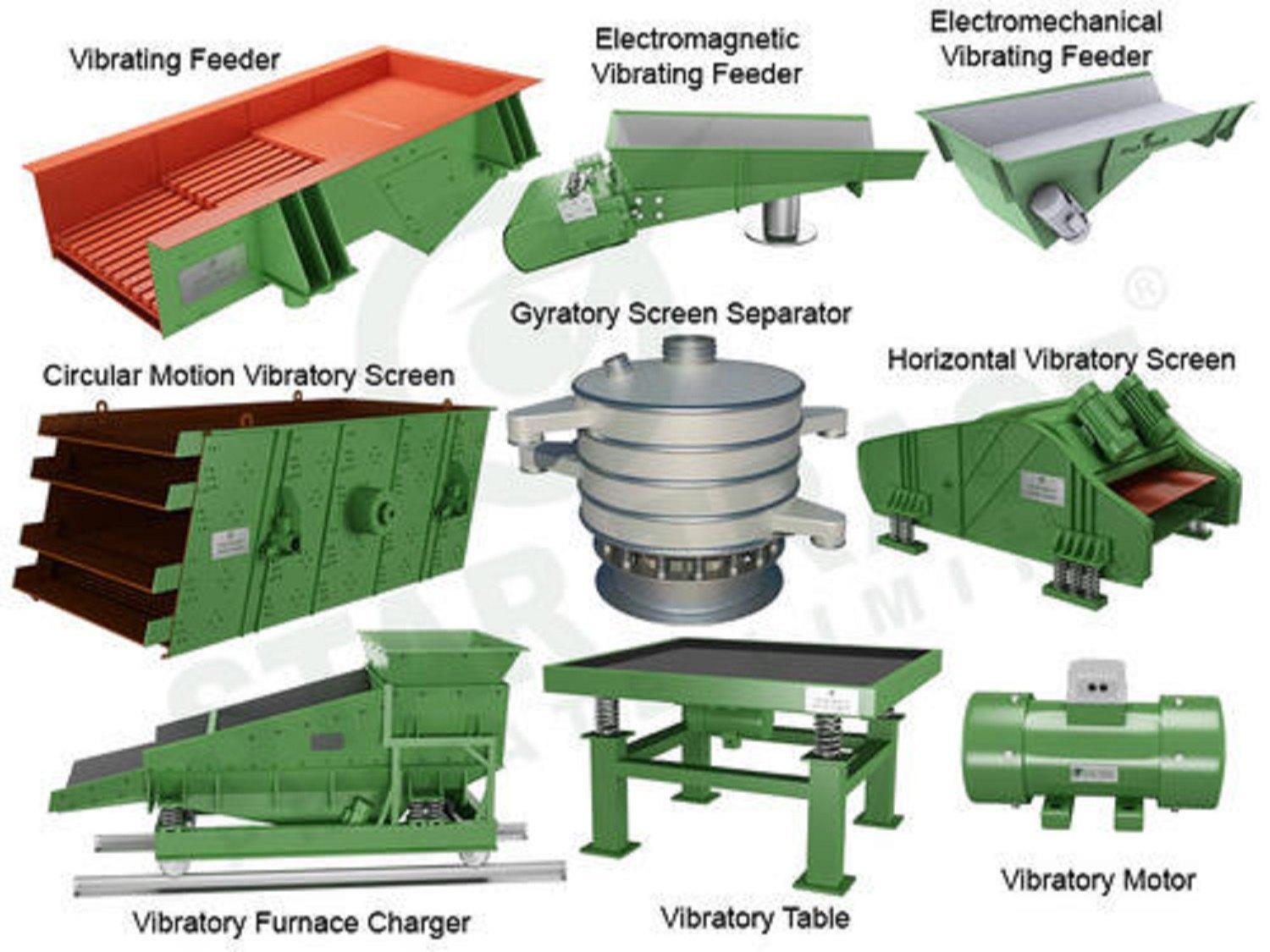
Industrial plants rely on vibrating equipment to move, feed, screen, and handle bulk materials through different stages of production. Since these machines often run for long periods, quality cannot be judged by appearance or basic specifications alone. The equipment needs to match the material, workload, process, and operating environment in which it will be used.
Identifying high-quality vibrating equipments therefore requires a closer look at how the machine is built and how well it suits the application. Construction quality, operating performance, material compatibility, maintenance requirements, and equipment configuration all matter. A machine that performs consistently under its intended working conditions can be a more practical choice for demanding industrial operations.
Start With the Equipment's Intended Application
The first sign of suitable equipment is whether it has been designed for the job it needs to perform. Vibrating feeders, screens, tables, and other machines serve different purposes within an industrial process. The equipment should therefore be selected according to the material flow and the stage where it will be installed.
The characteristics of the materials should not be overlooked. Factors such as particle size, weight, moisture, density, and abrasiveness may impact the performance of the equipment. High-quality vibrating equipments should be appropriately configured for these conditions and not simply considered a general solution to all problems. Understanding the application before selecting the machine helps avoid performance problems later.
Examine Construction and Component Quality
The physical construction of vibrating equipment can provide useful clues about its suitability for industrial work. Components need to withstand repeated vibration and the loads created during operation. The quality of the body, supporting structure, drive components, and other working parts can all influence equipment performance over time.
It is also important to consider how the equipment has been assembled. Proper alignment and secure connections can help the machine operate as intended. In demanding applications, equipment built with attention to these details is better positioned to handle continuous operation than a machine selected only on the basis of appearance or advertised capacity.
Check Whether Performance Matches the Requirement
A high-quality machine should deliver the performance required by the process. For feeding equipment, this may involve maintaining a controlled and consistent material flow. For screening equipment, the focus may be on achieving the required separation while handling the expected feed rate.
Industries should therefore compare the equipment's expected performance with their actual process requirements. Important considerations include:
-
Required material capacity
-
Type and characteristics of the material
-
Operating duration and workload
-
Required feeding or screening performance
A machine that is oversized or undersized for the application may not deliver the expected results. Matching the equipment to the process is an important part of identifying a suitable solution.
Look at Vibration and Material Flow
Vibration is central to the operation of this type of equipment, but simply having a vibrating mechanism does not guarantee effective performance. The movement needs to be appropriate for the material and the intended process. Uneven movement or poorly controlled vibration can affect material flow and may place additional stress on the equipment.
For this reason, industries should consider how material moves across or through the machine during operation. Consistent movement can help maintain a steady process, while the equipment's configuration should allow material to reach the required destination without unnecessary accumulation or interruptions.
Consider Equipment for Different Material Handling Tasks
Industrial plants often use more than one type of vibrating machine. A feeder may regulate material entering a crusher, screen, or conveyor, while other vibrating equipment may be used for discharge, compaction, or controlled movement. The quality of each machine needs to be considered in relation to its specific role.
A Bin Vibrator, for example, is used to assist material flow from bins, hoppers, and similar storage points where material may not discharge consistently on its own. The suitability of such equipment depends on the material and the discharge requirement. Looking at the machine within its intended application gives industries a better basis for judging its quality.
Assess Maintenance and Accessibility
Even well-built equipment requires regular inspection and maintenance. High-quality equipment should be designed in a way that allows important components to be inspected and serviced without unnecessary difficulty. Easy access can make routine maintenance more manageable and help operators identify developing problems.
Industries should also consider:
-
Accessibility of important components for inspection
-
Availability of replacement components
-
Preventive maintenance requirements
-
Technical assistance when equipment issues arise
Equipment that is difficult to maintain can create avoidable downtime, particularly when it forms part of a continuous production line. Maintenance requirements should therefore be considered before purchase rather than after installation.
Check Equipment Integration With the Plant
Vibrating equipment usually works alongside other machines rather than operating independently. A feeder may receive material from a hopper and transfer it to a conveyor, crusher, or screen. The equipment must therefore fit the existing plant layout and material flow.
High-quality vibrating equipments should be evaluated according to how well they can operate within this wider system. Installation space, feed and discharge points, material flow, connected equipment, and required capacity all need to be considered. Good integration can help prevent bottlenecks and make the overall process more consistent.
Evaluate the Manufacturer's Technical Approach
The equipment itself is only one part of the purchase decision. The manufacturer's understanding of industrial applications can also indicate whether the recommended machine is appropriate. A manufacturer that asks about material properties, capacity, operating conditions, and plant layout is more likely to identify the actual equipment requirement.
Industries should also consider:
-
Application guidance during equipment selection
-
Ability to configure equipment for specific requirements
-
Installation and commissioning assistance
-
Availability of maintenance and troubleshooting services
These factors can become important once the machine is operating. A manufacturer with a practical understanding of the equipment can help industries address requirements beyond the initial purchase.
Compare Equipment Based on Long-Term Requirements
Initial equipment specifications should not be the only basis for comparison. Industrial equipment needs to perform consistently over time, so businesses should consider how the machine will fit their expected workload and maintenance practices. A suitable machine should provide the required performance without creating unnecessary complications for the rest of the process.
This is especially important for plants that operate continuously. Selecting equipment based on actual operating requirements can help businesses avoid frequent adjustments, premature component issues, and avoidable interruptions. The focus should be on finding equipment that remains suitable beyond the initial installation.
Vibro Flux Equipments: Perfect Choice for High-Quality Industrial Vibrating Equipment
Vibro Flux Equipments offers a range of vibrating equipment for industrial feeding, screening, conveying, compaction, and material handling applications. Its range includes vibrating feeders, gyratory screen separators, horizontal screen separators, vibratory furnace chargers, bin vibrators, vibrating tables, and vibrating motors, giving industries different equipment options based on their process requirements.
For businesses assessing vibrating equipments for industrial use, Vibro Flux Equipments also provides installation and commissioning, preventive maintenance, spare parts, troubleshooting, and custom engineering services. The company considers factors such as material properties, production capacity, plant layout, and operating requirements when developing equipment solutions.
Conclusion
Identifying high-quality vibrating equipments requires more than checking specifications or comparing machines by appearance. Construction, application suitability, material flow, performance, maintenance, integration, and technical expertise all need to be considered before making a decision.
For industrial plants, the right equipment should fit the process and remain dependable under its intended operating conditions. Vibro Flux Equipments provides vibrating solutions for feeding, screening, conveying, and other industrial material handling requirements, with equipment and services suited to different application needs.

 English
 Arabic
 French
 Spanish
 Portuguese
 Deutsch
 Turkish
 Dutch
Dutch
 Italiano
 Russian
 Portuguese (Brazil)
 Greek
Greek
