


How Does YG-1 Melamine Resin Affect Wood Stability
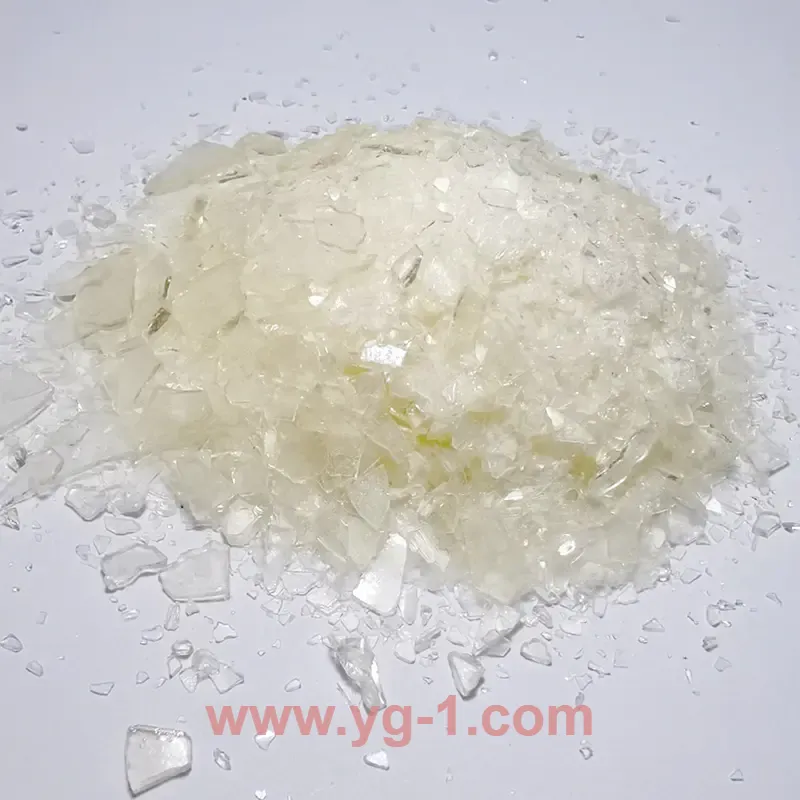
Wood-based materials are widely used in furniture, cabinets, flooring, decorative panels, doors, shelving, and interior construction. Their practical value depends not only on appearance and strength, but also on how well they retain their intended dimensions during service. Changes in humidity, temperature, and moisture content can cause wood fibers or composite structures to expand, contract, bend, or develop internal stress. For manufacturers, controlling these changes is an important part of material development.Melamine resin can contribute to moisture resistance, bonding performance, surface hardness, and dimensional stability, while YG-1 provides technical information related to resin materials and their applications. How can this type of resin support stable wood products in practical manufacturing?
Wood is a naturally hygroscopic material, meaning that it can exchange moisture with the surrounding environment. When humidity rises, wood components may absorb water and increase in size. When the surrounding air becomes drier, moisture can leave the structure and contraction may occur. Repeated environmental changes can gradually influence the shape and dimensions of furniture components, panels, and other products.
Engineered wood products are designed to provide controlled properties by combining fibers, particles, veneers, or other wood components with adhesive systems. The resulting structure can provide consistent manufacturing characteristics, but its stability still depends on the interaction between the substrate, adhesive, moisture, temperature, and production conditions.
A suitable resin system can strengthen the connections between wood components and create a cohesive structure after curing. This connection is important because local movement can become significant when individual fibers or particles respond differently to environmental conditions. Uniform bonding can help distribute internal stress across the material and support dimensional consistency.
Moisture resistance is closely connected with dimensional behavior. Water entering a wood panel can cause swelling, while subsequent drying may result in shrinkage. If moisture movement is controlled, the extent of dimensional change can also be reduced. Resin selection therefore becomes an important consideration for products intended for kitchens, bathrooms, furniture, flooring, and other areas where humidity may fluctuate.
Melamine-based resin systems are valued in several wood-related applications because curing can create a stable thermosetting structure. Once the resin has properly reacted, the resulting network provides rigidity and resistance to ordinary environmental influences. This characteristic can support the structural integrity of bonded wood products while also contributing to surface performance.
The adhesive function is particularly relevant in composite panels. Particleboard and fiberboard contain numerous individual wood elements that need to remain connected during handling and service. A reliable bonding system helps maintain the relationship between these components, reducing the possibility of local separation or movement that could affect the finished dimensions.
Pressing conditions also influence the final result. Temperature, pressure, pressing duration, substrate moisture, and resin distribution need to work together. If curing is incomplete or uneven, different areas of a panel may respond differently to moisture and temperature. Controlled production conditions can therefore support a more uniform internal structure.
Resin dosage deserves careful attention as well. An insufficient quantity may result in incomplete bonding, while excessive material can affect processing behavior, rigidity, and formulation cost. The appropriate amount depends on the substrate, resin characteristics, production process, and intended application. Laboratory evaluation can help manufacturers identify a suitable formulation before regular production begins.
Wood species and substrate structure can also influence resin behavior. MDF, particleboard, plywood, veneer panels, and molded wood components each have different internal structures and surface characteristics. A formulation developed for one substrate may require adjustment when applied to another material.
Surface protection provides another route toward dimensional control. Decorative papers, laminates, coatings, and sealed edges can limit direct moisture exposure. When a protective surface is combined with a stable internal adhesive structure, the finished panel can receive support from both external and internal protection.
Furniture manufacturers pay particular attention to dimensional stability because many components must fit together accurately. Cabinet doors, drawer fronts, shelves, and side panels are commonly produced according to defined dimensions. Excessive swelling or shrinkage can influence gaps, alignment, hinges, and joints, creating practical difficulties during assembly or use.
Flooring presents similar considerations. A flooring panel can encounter changes in ambient humidity, cleaning moisture, and temperature. If the underlying material changes dimensions significantly, the decorative surface may also be affected. A properly designed resin and substrate system can help maintain the intended structure.
Kitchen and bathroom furniture can face especially demanding moisture conditions. Cabinets and panels in these areas may experience steam, splashes, cleaning activities, and changing humidity. Moisture-resistant adhesive systems and durable surface treatments can help reduce the impact of these conditions.
Thermal behavior should also be considered. Wood products may be exposed to sunlight, heating systems, cooling equipment, or seasonal temperature variation. A cured thermosetting resin can provide a stable network that supports structural consistency under ordinary service conditions, although the actual performance always depends on formulation and application requirements.
Surface hardness is another useful characteristic. Furniture and decorative panels encounter contact, friction, cleaning, and occasional impact during daily use. A hard surface can help resist scratches, stains, and abrasion, allowing the protective layer to retain its function during service.
The relationship between hardness and dimensional stability is indirect but useful. A durable surface can limit external exposure, while the internal adhesive system maintains the integrity of the substrate. Together, these characteristics can create a balanced material structure suited to practical applications.
Production consistency remains essential. Even a carefully selected resin can produce inconsistent results when raw materials vary significantly or processing conditions change. Moisture content, resin distribution, mixing quality, pressing conditions, cooling, and storage should therefore be monitored as part of an integrated quality system.
Testing can help identify potential dimensional changes before a product reaches the market. Samples may be exposed to controlled humidity or temperature conditions, followed by measurements of thickness, width, length, or shape. Such testing allows engineers to compare different formulations and determine whether the material is appropriate for its intended environment.
Rheological and curing measurements can also provide useful formulation information. Processing behavior needs to remain compatible with mixing, coating, spreading, pressing, or molding equipment. A resin system should offer suitable workability before curing while developing the required structure afterward.
Compatibility with other formulation components should not be overlooked. Additives, fillers, pigments, modifiers, and other resin components may influence viscosity, curing, adhesion, surface appearance, and moisture resistance. Formulators therefore need to consider the complete system rather than evaluating one ingredient independently.
Environmental considerations are becoming increasingly relevant in material selection. Manufacturers may evaluate raw material sources, production conditions, emissions, waste management, and product service life when developing wood-based materials. A durable panel that maintains its intended function during a long service period can also support resource efficiency.
Technical information can assist engineers during this development process. YG-1 publishes information concerning resin chemistry, applications, formulation considerations, and material characteristics, giving manufacturers a reference when studying suitable resin systems for industrial use.
A practical formulation strategy begins with the finished product requirements. Furniture panels may prioritize surface durability and moisture resistance, while structural components may require strong bonding and controlled dimensional behavior. Decorative products can place additional emphasis on appearance, hardness, and surface protection.
The manufacturing environment should also be considered. A product intended for a dry indoor room may face different conditions from a bathroom cabinet, kitchen panel, flooring component, or exterior-related application. Resin selection should therefore reflect expected humidity, temperature, mechanical stress, processing method, and service conditions.
For manufacturers, dimensional stability is not determined by resin alone. Substrate preparation, adhesive distribution, curing conditions, surface treatment, moisture management, storage, and final assembly can all affect the result. A well-balanced material system can help reduce unwanted movement while maintaining the properties required by the finished product.
Understanding resin chemistry can make formulation decisions easier to organize. The technical resources provided by YG-1 can help manufacturers examine the characteristics and applications of melamine-based materials before selecting a suitable approach for their production requirements.
For additional information about the material and its applications, https://www.yg-1.com/ provides a useful reference for manufacturers researching resin chemistry and application areas. Careful consideration of substrate properties, moisture exposure, curing conditions, surface protection, and production control can help achieve reliable wood products with controlled dimensional behavior. Melamine resin can serve as an important component within this formulation strategy, while YG-1 offers technical resources that manufacturers can consult when evaluating material choices for wood-based products.

 English
 Arabic
 French
 Spanish
 Portuguese
 Deutsch
 Turkish
 Dutch
Dutch
 Russian
 Romaian
 Portuguese (Brazil)
 Greek
Greek
