


What Should You Check Around Your Home After a Windstorm?
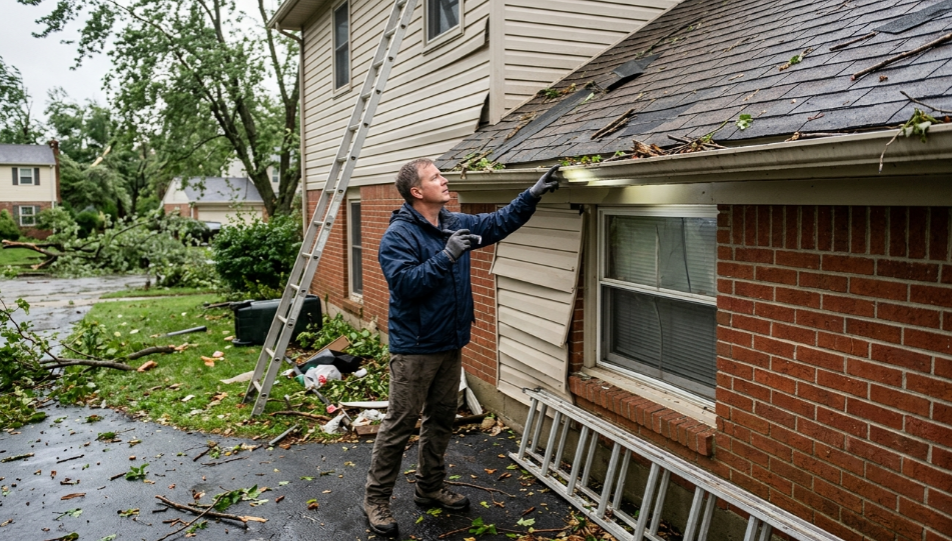
A windstorm can leave your home looking normal from the street while causing problems in places you can't easily see. Strong gusts can loosen shingles, move outdoor equipment, damage siding, break branches, and push rain into small openings. Some of these problems won't become obvious until hours or even days later, making wind damage restoration an important consideration when hidden issues appear after the storm.
That’s why checking your property after the wind settles is worth the time. You don't need to climb onto the roof or inspect dangerous areas yourself. A careful look from the ground can help you spot warning signs, document visible damage, and decide where professional attention may be needed.
Start With the Roof Without Climbing Onto It
The roof should be one of the first areas you check because wind can damage it without leaving a dramatic hole. Look from the ground for missing shingles, lifted edges, exposed underlayment, bent flashing, or sections that appear uneven.
Binoculars can help you inspect higher areas without putting yourself at risk. Pay close attention to roof edges, ridges, valleys, and areas around vents because strong wind can catch these sections more easily.
Don't climb onto a wet or damaged roof just to confirm what you see. A loose shingle or hidden structural issue can make the surface unsafe, especially immediately after severe weather.
Check Gutters and Downspouts for Sudden Changes
Gutters can tell you a lot about what happened during a storm. Look for sections that have pulled away from the fascia, bent corners, loose fasteners, or downspouts that are no longer connected properly.
Also check the ground underneath them. A gutter that suddenly drops water near the foundation may have been shifted or blocked during the storm. Standing water around the house can create another problem even when the original damage was caused by wind.
If you find pieces of shingles, metal, or other roof debris in the gutters, don't assume the gutter itself is the only concern. Debris can point to damage higher up on the roof.
Look for Gaps Around Windows and Doors
Wind can force its way through small openings that weren't noticeable before the storm. Check window frames and exterior doors for new gaps, cracked glass, damaged seals, bent frames, or loose trim.
You may also notice curtains moving when there is no obvious draft or hear whistling around a closed window. These small signs can suggest that air or moisture is getting through an area that was previously sealed.
Don't ignore minor separation around a frame. Water can enter through a small opening during the next rain event and cause hidden damage behind walls, insulation, or trim.
Inspect Siding for Loose or Missing Sections
Strong wind can loosen siding panels even when they haven't completely fallen away. Walk around the house and look for panels that are lifted, cracked, bent, separated, or sitting differently from neighboring sections.
Check corners and areas around windows carefully because these locations may show movement more clearly. Loose siding can expose the layer underneath to rain, insects, and continued wind.
Don't try to force a loose panel back into place immediately. If fasteners have pulled out or the material is damaged, pushing it into position may cause additional cracking or hide a larger problem.
Check Outdoor Structures Before Using Them
Sheds, garages, fences, decks, gazebos, and other outdoor structures can take a lot of wind pressure. Even if they are still standing, look for leaning posts, shifted sections, broken supports, missing panels, damaged roofing, and doors that no longer close correctly.
Fences deserve extra attention because one damaged section can place stress on the sections beside it. A fence that looks stable may still have weakened posts underground.
Don't assume a structure is safe just because it hasn't collapsed. If something is visibly leaning, cracked, or unstable, keep people away until it can be properly assessed.
Look Up at Trees and Large Branches
Wind damage doesn't always start with the house. Trees can lose large branches, develop cracks, or become unstable around the root area. A branch that remains hanging after the storm can become dangerous later when another gust or movement causes it to fall.
Check trees near the roof, driveway, power lines, and areas where people normally walk. Look for split branches, hanging limbs, fresh cracks, exposed roots, or a noticeable change in the tree's position.
Don't try to cut a large hanging branch yourself. Tension can make damaged limbs move suddenly, turning what looks like a simple cleanup job into a serious safety hazard.
Check the Attic for Signs the Roof Was Compromised
The attic can reveal damage that isn't visible from outside. During daylight, look for unusual light coming through the roof, wet insulation, damp wood, water stains, or areas that appear darker than usual.
A small leak may not produce a large puddle. Moisture can first show up as a stain, soft insulation, or a damp smell. That's why checking the attic soon after a windstorm can help you catch a problem before it spreads.
Only enter the attic when it is safe to do so. Don't walk across areas where the floor structure is uncertain, and avoid touching damaged wiring or wet electrical components.
Check Walls and Ceilings for New Marks
Water doesn't always appear directly under the point where it entered. After a storm, moisture can travel through insulation, framing, and other spaces before becoming visible on an interior ceiling or wall.
Look for new brown or yellow stains, bubbling paint, soft drywall, peeling surfaces, or areas that feel unusually damp. A musty smell can also be an early clue that moisture has entered a hidden space.
A small stain shouldn't be covered with fresh paint right away. Hiding the mark without finding the source can leave moisture trapped behind the surface and allow the damage to continue.
Pay Attention to Strange Sounds After the Storm
Some wind-related problems are easier to hear than see. A loose vent, damaged flashing, moving siding, or partially detached exterior material may create rattling, tapping, or flapping sounds when the wind picks up again.
Listen around the roof, attic, windows, and exterior walls. A new sound that wasn't present before the storm deserves attention, especially when it comes from a high or difficult-to-reach area.
Don't climb onto the roof or use a ladder in dangerous conditions just to locate a noise. A strange sound is a reason to investigate safely, not a reason to take unnecessary risks.
Check for Water Before It Becomes Visible Damage
Wind can create openings that allow rain to enter even when the storm itself has passed. Check areas around windows, doors, vents, attic openings, and roof penetrations for moisture or dampness.
Also inspect floors near exterior walls and look inside cabinets or closets located against those walls. Water can enter quietly and remain hidden until swelling, staining, or mold growth becomes noticeable.
Early moisture control matters because a small amount of water can damage insulation, drywall, flooring, and wood when it remains trapped. Finding moisture early gives you a better chance of limiting the affected area.
Don't Ignore Debris Around the Property
Branches and visible debris are obvious after a storm, but they can also give you clues about less obvious damage. Roofing pieces, siding fragments, insulation, flashing, or broken trim on the ground may have come from your property.
Compare what you find with the exterior of the house. For example, a piece of trim in the yard may correspond to a section missing from a roof edge or window opening.
Take photographs before moving significant debris when it is safe to do so. Photos can help document the property's condition and make it easier to explain what you found during a professional inspection.
Check Outdoor Equipment and Utility Connections
Wind can move or damage air-conditioning units, heat pumps, electrical equipment, satellite dishes, generators, and other exterior systems. Look for shifted equipment, bent covers, damaged panels, exposed wiring, or loose connections.
Never touch exposed electrical wiring or damaged electrical equipment after a storm. Water and electricity create an especially dangerous combination, even when the damage appears minor.
Also look at outdoor vents and exhaust openings. A detached or blocked vent can affect the safe operation of certain home systems and should be addressed before normal use continues.
Don't Try to Repair Serious Damage Before It's Documented
The urge to fix everything immediately is understandable, especially when you want your home back to normal. But major repairs can make it harder to understand what actually happened and may remove useful evidence of the damage.
Take clear photographs and videos of affected areas from several angles before beginning cleanup or repairs, provided the area is safe. Document damaged materials, fallen branches, broken windows, roof sections, standing water, and visible debris.
Temporary measures may sometimes be appropriate to keep additional rain or wind from entering. However, avoid making major changes to damaged areas before they have been properly assessed.
When a Small Problem Calls for Professional Attention
Not every windstorm causes major damage, and not every loose item requires extensive restoration work. The important question is whether the storm has affected the home's ability to keep out water, support itself safely, or protect the people inside.
Professional wind damage restoration can be useful when damage extends beyond simple cleanup or when moisture has entered areas that need controlled drying and repair. This can include damaged roofing, water intrusion, affected drywall, insulation problems, or damage hidden behind exterior materials.
Getting the issue assessed early can also prevent a small storm-related problem from turning into a larger repair. The longer moisture or structural damage is left unresolved, the more complicated the situation can become.
Don't Forget the Areas You Can't See From the Street
Some of the most important checks happen in less obvious places. Look around attic vents, roof penetrations, chimney flashing, porch roofs, crawl spaces, garages, and sections of the property that are hidden by landscaping.
Wind can create small openings in these areas without producing obvious damage from the front of the house. Water may then enter during a later rainstorm, making the original wind damage harder to recognize.
A slow walk around the property can reveal a surprising amount. Compare the home with how it looked before the storm and pay attention to anything that appears shifted, loose, cracked, wet, or missing.
What Should You Do When You Find Damage?
Start with safety rather than repairs. Keep away from unstable structures, downed lines, damaged trees, broken glass, and areas where water may have reached electrical components.
Then document what you can safely see and arrange the appropriate inspection or repair. Avoid climbing onto roofs, cutting large branches, or handling damaged electrical equipment simply because you want to assess the problem yourself.
The goal after a windstorm isn't to fix everything in one afternoon. It's to identify problems early, prevent additional damage, and make sure serious issues are handled correctly.
Conclusion
A windstorm can leave behind more than visible debris. Loose roofing, damaged siding, shifted gutters, hidden leaks, unstable trees, and small openings around windows can all create problems after the weather has cleared. A careful check around the home can help you catch these issues before they become more expensive or harder to repair.
Pay particular attention to weatherproofing, because protecting a building from wind and rain depends on many connected exterior components working together. When you find damage that involves water intrusion, unstable materials, or areas that aren't safe to inspect yourself, getting the right professional help early is usually the safest move.

 English
 Arabic
 French
 Portuguese
 Deutsch
 Turkish
 Dutch
Dutch
 Italiano
 Russian
 Romaian
 Portuguese (Brazil)
 Greek
Greek
