


Common Diabetic Foot Care Mistakes to Avoid at Home
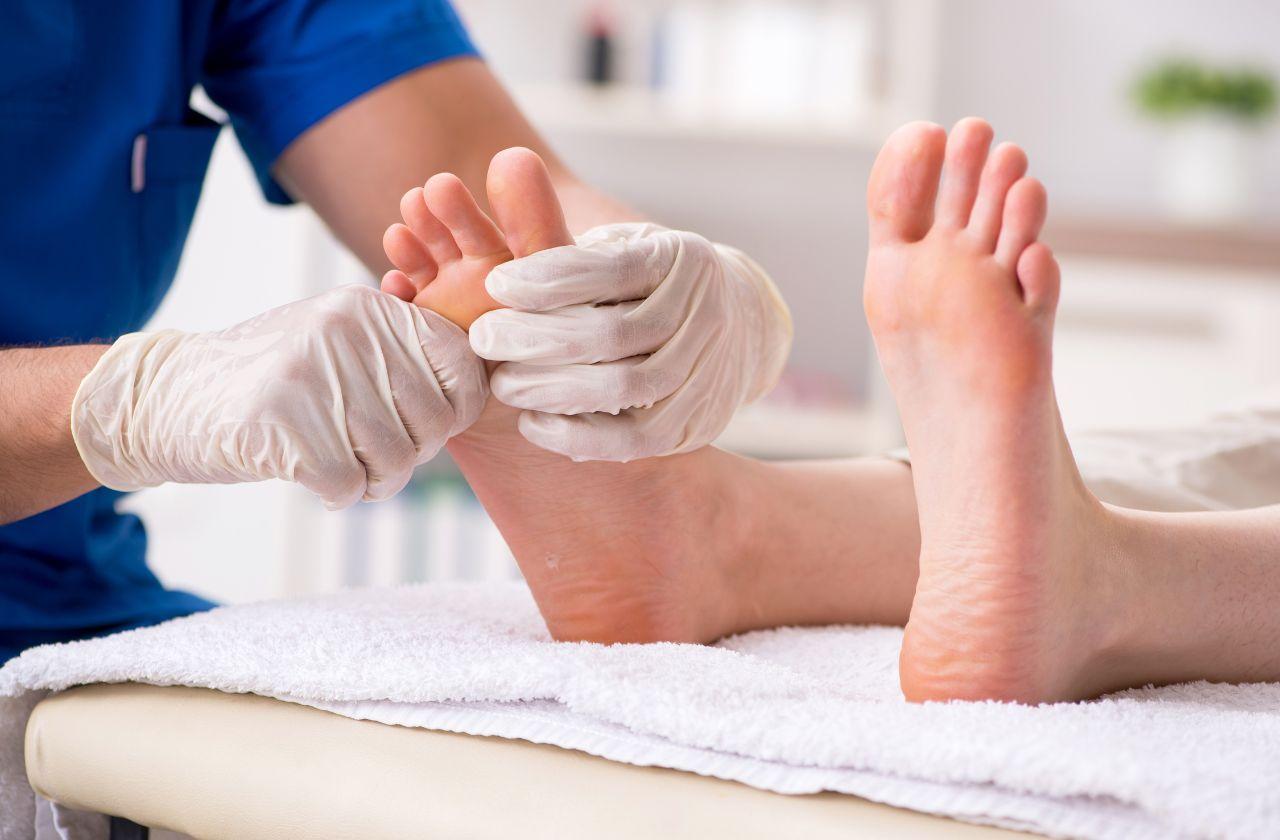
Proper foot care is an essential part of managing diabetes, and avoiding common mistakes can help protect foot health and reduce preventable complications. Following Diabetic Foot Care At Home In Dubai practices allows people to regularly inspect their feet, maintain proper hygiene, choose protective footwear, and notice changes that may require medical attention. Diabetes can affect nerve sensation and circulation, meaning that minor injuries may sometimes go unnoticed or heal slowly. Consulting a Doctor at Home when unusual symptoms appear can provide convenient professional guidance and help determine whether a foot concern requires further evaluation. Understanding common mistakes is the first step toward creating a safer and more consistent daily foot care routine.
Skipping Daily Foot Inspections:
One of the most common mistakes is failing to examine the feet every day. Small cuts, blisters, cracks, redness, or swelling can develop without causing noticeable discomfort, particularly when diabetes has affected sensation. A daily inspection should cover the tops, bottoms, heels, sides, toenails, and areas between the toes. If it is difficult to see the soles, use a mirror or ask a family member or caregiver for assistance. Look for changes such as:
- Cuts or scratches
- Blisters
- Redness or swelling
- Skin cracks
- Bruising or discoloration
- Unusual warmth
- Drainage or sores
- Changes around the toenails
Making foot inspection part of an established daily routine can make it easier to identify potential concerns early.
Washing Feet With Extremely Hot Water:
Using very hot water to clean or warm the feet is another mistake that people with reduced sensation should avoid. Neuropathy may make it difficult to accurately recognize excessive heat, increasing the risk of burns. Wash your feet with lukewarm water instead and test the temperature safely before putting your feet into the water. Avoid prolonged soaking because excessive moisture can affect the skin and may contribute to problems between the toes. Gentle daily washing followed by thorough drying is a safer approach to Diabetic Foot Care At Home In Dubai.
Forgetting to Dry Between the Toes:
After washing, some people dry the tops and soles but overlook the spaces between their toes. Moisture trapped in these areas can contribute to irritation and fungal problems. Use a clean, soft towel and gently pat the skin dry rather than rubbing aggressively. Take particular care around areas where skin touches skin. Keeping the feet clean and dry is especially important for people with diabetes because maintaining healthy skin can help reduce opportunities for minor problems to develop.
Applying Moisturizer Between the Toes:
Moisturizing dry skin can be beneficial, but applying lotion indiscriminately is a common mistake. Moisturizer should generally be applied to dry areas such as the heels and soles while avoiding the spaces between the toes. Excess moisture in these areas may encourage skin irritation or fungal growth. Do not apply moisturizer directly to an open wound unless a healthcare professional specifically recommends a suitable product. Regularly inspect the skin before moisturizing so that new cracks, sores, or other changes are not overlooked.
Cutting Toenails Too Short:
Cutting toenails excessively short or rounding the corners deeply can increase the risk of irritation and ingrown toenails. Nails should generally be trimmed carefully and straight across without cutting into the surrounding skin. Avoid rushing the process or using sharp instruments to dig around the nail edges. If poor eyesight, limited mobility, or reduced sensation makes nail care difficult, consider seeking professional assistance. Never attempt to cut through an ingrown toenail yourself if it is painful, swollen, or associated with drainage.
Removing Calluses With Sharp Tools:
Using blades, scissors, razors, or other sharp tools to remove calluses and corns is a potentially dangerous practice for people with diabetes. Even a small accidental cut can create an entry point for infection and may be difficult to notice when sensation is reduced. Avoid experimenting with strong chemical callus removers without professional advice as well. If a callus becomes painful, thick, or repeatedly develops in the same location, have it assessed by an appropriate healthcare professional. Proper footwear may help reduce the pressure or friction contributing to the problem.
Walking Barefoot:
Walking barefoot may seem harmless, particularly inside the home, but it can expose diabetic feet to cuts, burns, splinters, sharp objects, and other injuries. Reduced sensation can make these injuries difficult to notice immediately. Wearing comfortable, protective footwear can provide an important layer of protection during everyday activities. Check the condition of your shoes before wearing them and make sure there are no rough surfaces, stones, damaged areas, or objects inside. Avoiding barefoot walking is a simple precaution that can support safer daily foot care.
Wearing Poorly Fitting Shoes:
Shoes that are too tight, too loose, or poorly shaped can create friction and pressure points. Repeated rubbing may lead to blisters, calluses, or skin breakdown. When selecting footwear, ensure that the toes have enough space and that the shoes feel comfortable without creating pressure in specific areas. New shoes should be introduced gradually so the feet can adjust. Consider these footwear habits:
- Choose shoes that fit properly
- Avoid narrow toe boxes
- Check the inside of shoes before wearing them
- Replace shoes with damaged interiors
- Wear comfortable socks
- Avoid footwear that repeatedly causes rubbing
Comfort and protection should be priorities when selecting everyday footwear.
Ignoring Changes Because They Do Not Hurt:
A major mistake is assuming that a foot problem is harmless simply because it does not hurt. Diabetes-related nerve changes can reduce sensation, meaning an injury may exist without producing significant pain. Instead of relying on discomfort as a warning signal, look for visible changes and monitor unusual sensations. Pay attention to redness, swelling, warmth, discoloration, wounds, and changes in skin condition. Any unexplained or persistent change should be discussed with a healthcare professional rather than being ignored.
Treating Foot Wounds Without Professional Advice:
Another common mistake is attempting to manage a diabetic foot wound entirely independently. While basic hygiene and protection are important, an open wound may require professional evaluation depending on its appearance, size, location, and progression. Avoid applying random household remedies, harsh antiseptics, or unapproved medications. Keep the area protected and seek appropriate medical guidance. If there is increasing redness, swelling, warmth, drainage, discoloration, or delayed healing, professional assessment should not be postponed.
Ignoring Changes in Foot Color or Temperature:
Changes in skin color or temperature can provide useful information about foot health. A foot that suddenly becomes unusually pale, bluish, red, or significantly warmer or colder than the other foot may require evaluation, particularly when other symptoms are present. Do not try to correct temperature differences using heating pads, hot-water bottles, or other direct heat sources. Instead, report concerning changes to a healthcare professional. Regular observation can make these differences easier to recognize.
Wearing Dirty or Tight Socks:
Socks are often overlooked when discussing diabetic foot care, but they can affect skin comfort and protection. Dirty or damp socks may contribute to skin irritation, while excessively tight socks can create pressure around the toes or ankles. Choose clean, comfortable socks and change them regularly. Check for folds, rough areas, or damaged sections before wearing them. Socks should complement properly fitting footwear rather than create additional pressure points.
Neglecting Professional Foot Examinations:
Home care is important, but it should not completely replace professional foot examinations. Healthcare professionals can assess areas such as circulation, nerve function, skin condition, and other factors that may not be easily evaluated at home. People with a history of diabetic foot problems may require individualized monitoring. Doctor at Home services can offer a convenient option for medical assessment when traveling to a healthcare facility is difficult. Discuss an appropriate examination schedule with your healthcare provider.
Failing to Act on Warning Signs:
Perhaps the most serious mistake is noticing a concerning change and waiting too long before seeking help. Foot problems can become more difficult to manage when treatment is delayed. Seek professional medical advice promptly if you notice an open sore, persistent redness, swelling, drainage, significant discoloration, increasing warmth, worsening pain, or a wound that is not healing normally. Early evaluation can help determine the appropriate course of care. Never assume that a small problem will automatically resolve on its own simply because it initially appears minor.
Create a Safer Daily Foot Care Routine:
Avoiding mistakes becomes easier when foot care follows a consistent routine. Set aside a few minutes each day to inspect and care for your feet. Keep essential supplies organized and make foot checks part of another established habit, such as getting ready for bed. A practical routine can include:
- Inspecting both feet carefully
- Washing with lukewarm water
- Drying thoroughly, especially between the toes
- Moisturizing dry areas appropriately
- Checking toenails
- Wearing clean socks
- Inspecting footwear
- Avoiding barefoot walking
- Reporting unusual changes promptly
Consistency can make Diabetic Foot Care At Home In Dubai easier to maintain and can help reduce avoidable risks.
Final Thoughts:
Avoiding common diabetic foot care mistakes is just as important as developing healthy daily habits. Skipping inspections, using hot water, walking barefoot, cutting nails incorrectly, removing calluses with sharp tools, wearing unsuitable footwear, and ignoring warning signs can all create unnecessary risks. A careful routine based on regular inspection, gentle hygiene, appropriate protection, and timely professional support can help individuals take better care of their feet. When a wound or unusual change appears, professional medical advice should be sought rather than relying solely on home treatment. With consistency and awareness, daily foot care can become an important part of responsible diabetes management.

 Arabic
 French
 Spanish
 Portuguese
 Deutsch
 Turkish
 Dutch
Dutch
 Italiano
 Russian
 Romaian
 Portuguese (Brazil)
 Greek
Greek
