


Folding Packaging Cartons Gain Importance in Efficient Product Packaging
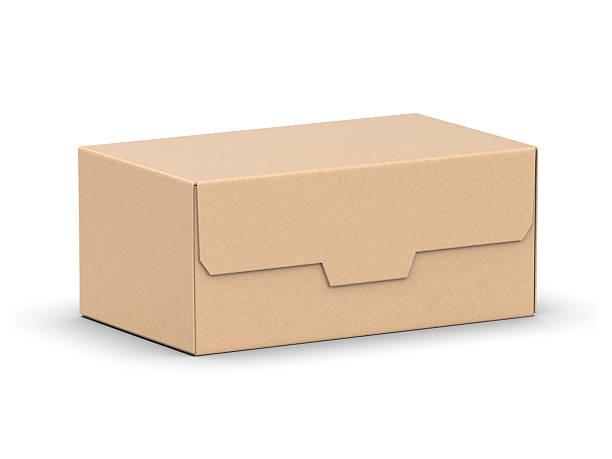
Folding packaging cartons are widely used across consumer goods because they combine product protection, efficient storage, attractive presentation, and practical handling. These paperboard-based formats can be found across food, beverages, personal care, pharmaceuticals, household products, and other retail categories.
According to the supplied Vyansa Intelligence analysis, the folding packaging cartons sector was valued at USD 147 billion in 2025 and is projected to reach USD 225 billion by 2032, representing a 6.27% CAGR from 2026 to 2032.
Product Protection Supports Carton Demand
Packaging has an important role in protecting products throughout transportation, storage, retail handling, and consumer use. Folding cartons provide a structured enclosure while allowing manufacturers to customize dimensions, closures, printing, and internal configurations.
The U.S. EPA identifies folding cartons, including cereal boxes and frozen-food boxes, as part of the broader paper and paperboard packaging category.
This versatility makes folding cartons suitable for products that require both functional protection and consumer-facing presentation.
Retail Presentation Adds Value
Unlike packaging designed only for transportation, folding cartons often serve as an important communication surface at the point of sale. Their printable exterior allows brands to display product information, instructions, graphics, ingredients, regulatory information, and visual branding.
Packaging can therefore perform several functions simultaneously: protecting the product, communicating information, and supporting brand recognition.
For consumer-product manufacturers, carton design can become part of the overall product presentation rather than simply an outer protective layer.
Efficient Storage Supports Supply Chains
Folding cartons are generally supplied and stored flat before being erected and filled. This configuration can help packaging operations manage storage space before the cartons are converted into their final form.
Once assembled, cartons provide a structured package suitable for transportation, warehousing, retail shelves, and household storage.
The ability to combine flat storage with efficient conversion makes folding cartons practical for manufacturers handling large volumes of packaged goods.
Paperboard Selection Influences Performance
Different paperboard grades can be selected according to the requirements of the finished carton. Factors such as stiffness, printability, surface quality, product weight, moisture exposure, and structural requirements can influence material selection.
The EPA's archived packaging guidance describes folding cartons as paperboard boxes that are creased and folded into containers and identifies several major paperboard grades used for their production.
Choosing an appropriate board therefore requires consideration of the carton’s intended application rather than focusing on material characteristics alone.
Sustainability Remains a Key Consideration
Paper-based packaging is increasingly associated with sustainability because fiber is a renewable material and paperboard can participate in established recycling systems.
The EPA identifies folding cartons among paper and paperboard packaging products and provides data on their role within the broader packaging waste stream.
However, sustainability depends on the complete packaging structure. Coatings, laminations, windows, adhesives, and other components can influence recycling considerations.
The ECMA emphasizes that folding-carton sustainability depends on renewable and recycled fibers, recovery systems, and appropriate packaging design.
Recyclability Influences Packaging Design
Designing cartons for recovery is becoming increasingly important. Manufacturers need to consider not only the paperboard itself but also additional materials used to provide moisture resistance, barrier performance, appearance, or structural functionality.
A simple fiber-based structure may have different end-of-life characteristics from a carton containing multiple layers or materials.
This encourages packaging developers to evaluate recyclability during the design stage rather than treating it as an issue only after production.
Food and Beverage Applications Require Careful Design
Food and beverage packaging can require additional performance characteristics because cartons may encounter moisture, grease, temperature variations, and direct or indirect food-contact requirements.
Carton structures may therefore incorporate coatings or other functional features depending on the application.
The objective is to maintain product protection while ensuring that packaging materials and manufacturing processes remain appropriate for the intended use.
Pharmaceutical and Personal Care Packaging
Folding cartons are also commonly used for pharmaceutical, personal care, and household products. In these applications, packaging can provide space for instructions, product information, dosage details, warnings, and other essential communication.
The relatively large printable surface of folding cartons makes them useful where consumer information is an important part of the package.
For regulated products, accurate and legible packaging information can be particularly important.
Printing and Finishing Support Differentiation
Advances in printing and finishing allow manufacturers to create cartons with different visual and tactile characteristics. High-quality graphics, embossing, special finishes, and customized structures can help products stand out on retail shelves.
At the same time, manufacturers must balance aesthetic requirements with production efficiency and material considerations.
Packaging suppliers that can combine reliable converting with consistent print and finishing quality can support brands seeking distinctive retail presentation.
Automation Improves Carton Production
Modern carton production involves processes such as printing, die cutting, folding, gluing, and quality inspection. Automation can help improve production consistency and reduce manual intervention.
Digital production controls can also help manufacturers monitor equipment performance, manage production parameters, and respond to changing order requirements.
This becomes increasingly relevant as packaging producers serve customers seeking different carton sizes, designs, and shorter production runs.
Lightweighting Can Improve Efficiency
Reducing unnecessary packaging material can help manufacturers improve resource efficiency while maintaining product protection.
Right-sizing cartons and selecting appropriate paperboard grades can reduce excess material without compromising structural performance.
However, lightweighting must be approached carefully. A carton that does not provide sufficient protection can result in damaged products and additional waste. The objective is therefore to optimize the complete package rather than simply minimize material use.
Outlook Through 2032
The sector's development will remain connected to consumer-product packaging requirements, retail presentation, product protection, paperboard innovation, recycling, sustainability, printing, automation, and efficient material use.
Future packaging development is likely to focus on cartons that combine functionality with attractive presentation and responsible material choices. Manufacturers will need to balance strength, print quality, convenience, production efficiency, and end-of-life considerations.
Overall, product protection, retail presentation, efficient storage, paperboard selection, recyclability, sustainable design, printing innovation, and manufacturing efficiency will remain important factors shaping the folding packaging cartons sector through 2032.

 English
 Arabic
 Spanish
 Portuguese
 Deutsch
 Turkish
 Dutch
Dutch
 Italiano
 Russian
 Romaian
 Portuguese (Brazil)
 Greek
Greek
