


App Development in New Zealand and for Global Markets
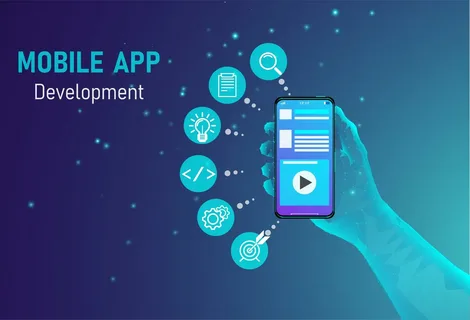
Businesses in New Zealand operate in a digitally connected market. A company may serve customers locally in Auckland, Wellington, Christchurch, Hamilton, or smaller regional communities while also selling products or services internationally.
This creates an important opportunity: an application can be designed with local users in mind while remaining scalable for global audiences.
For example, a New Zealand service business might initially launch an app for domestic customers and later expand features for users in Australia, the UK, the US or other international markets.
When planning app development for NZ and global users, consider:
- Local customer expectations
- International scalability
- Time zones
- Currency requirements
- Payment systems
- Data privacy requirements
- Accessibility
- Multiple languages where necessary
- Device compatibility
- Internet connectivity conditions
The best digital products are often designed with a focused initial audience while maintaining a flexible technical foundation for future growth.
Types of App Development
Different businesses require different types of applications. Choosing the correct app type early can reduce unnecessary development costs and complexity.
Mobile App Development
Mobile app development focuses on applications for smartphones and tablets.
The main platforms include:
- iOS
- Android
Mobile apps are commonly used for:
- E-commerce
- Food delivery
- Fitness
- Healthcare services
- Financial services
- Education
- Booking platforms
- Social communities
- On-demand services
Businesses can choose native or cross-platform development depending on their requirements.
Native App Development
Native apps are built specifically for a particular operating system.
For example:
- iOS apps are designed specifically for Apple devices.
- Android apps are designed specifically for Android devices.
Native development can provide strong performance and deeper access to device capabilities.
It may be suitable for applications requiring:
- Advanced device features
- High performance
- Complex animations
- Camera functionality
- GPS features
- Offline capabilities
The trade-off is that maintaining separate applications for multiple platforms can require additional development resources.
Cross-Platform App Development
Cross-platform development allows developers to build applications that can run across multiple operating systems using a shared codebase.
This approach can be useful for businesses that want to reach both iOS and Android users efficiently.
Common considerations include:
- Development speed
- Feature complexity
- Performance requirements
- Budget
- Long-term maintenance
Cross-platform development is often worth considering for startups and businesses launching a minimum viable product.
Web App Development
A web application runs through a browser rather than requiring users to install software from an app store.
Examples include:
- Customer dashboards
- Online booking systems
- Business portals
- SaaS platforms
- Learning platforms
- Internal management systems
Web applications can be especially useful when users need access across multiple devices.
Progressive Web Apps
Progressive web apps combine aspects of websites and mobile applications.
Depending on the implementation and platform capabilities, they can offer experiences such as:
- Mobile-friendly interfaces
- Faster loading
- App-like navigation
- Offline functionality
- Installation options
For some businesses, a progressive web app can be a practical alternative to developing separate native mobile apps.
The App Development Process
A successful app is rarely created by immediately starting with programming.
The most effective app development projects follow a structured process.
1. App Idea Discovery
The first stage is understanding the idea.
Key questions include:
- What problem does the app solve?
- Who will use it?
- Why would users choose it?
- What alternatives already exist?
- How will the app support business goals?
A useful app idea does not need to be completely unique.
Many successful applications improve an existing experience by making it:
- Faster
- Simpler
- More convenient
- More accessible
- Better suited to a specific audience

 English
 Arabic
 French
 Spanish
 Portuguese
 Deutsch
 Turkish
 Dutch
Dutch
 Italiano
 Romaian
 Portuguese (Brazil)
 Greek
Greek
