Bangkok is widely known for its tailoring services, and many people choose custom clothing for business, weddings, formal events, and everyday professional wear. However, ordering a tailored suit involves more than selecting a fabric and giving measurements. Understanding each stage can help customers make better decisions and avoid common fitting problems.
For anyone considering custom bespoke suits in Bangkok, the first step is learning the difference between bespoke and ordinary made-to-measure clothing. Bespoke tailoring generally involves creating a pattern specifically for the wearer, with detailed measurements and fittings used to refine the garment. Therefore, the process can provide greater control over fit, proportions, and design.
Understanding the Bespoke Process
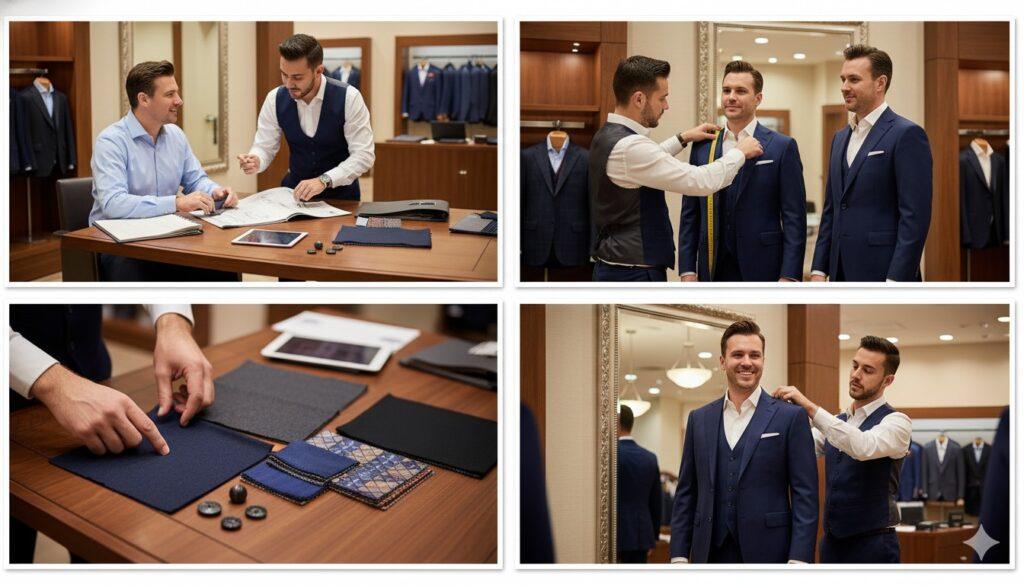
A bespoke suit usually begins with a consultation. During this stage, the tailor discusses the purpose of the suit, preferred fit, fabric, colour, and design details. Measurements are then taken carefully, including the chest, waist, shoulders, arms, and legs.
After the measurements are recorded, a pattern is developed for the individual. The tailor uses this pattern to create the garment and identify areas that may need adjustment.
Fittings are particularly important because measurements alone cannot show how a garment behaves when the person moves. The tailor can assess the balance of the jacket, sleeve position, trouser length, and overall silhouette. Adjustments are then made before the final suit is completed.
Selecting Fabric for Bangkok Weather
Bangkok's hot and humid weather makes fabric selection especially important. A suit that looks good but feels uncomfortable may not be practical for regular use.
Lightweight wool is often considered for professional suits because it can offer structure while remaining relatively breathable. Linen and linen blends can be suitable for relaxed occasions, although they tend to crease more easily.
The fabric should also match the intended use. A suit for an air-conditioned office may require different characteristics from one worn at an outdoor wedding. Therefore, consider climate, occasion, frequency of use, and maintenance requirements before choosing.
Choosing a Suitable Fit
Fit is one of the main reasons people consider custom tailoring. However, a tighter suit is not automatically a better-fitting suit.
A well-fitted jacket should allow comfortable movement across the shoulders and chest. The sleeves should finish at an appropriate point around the wrist, while the trousers should sit comfortably without excessive pulling or bunching.
There are several common silhouettes, including slim, tailored, and classic fits. Slim fits create a closer shape, while classic cuts generally provide more room. A tailored fit sits between these approaches. The best option depends on body shape, comfort, workplace requirements, and personal preference.
Paying Attention to Design Details
Once the basic fit is established, customers can consider design features. Lapels, buttons, pockets, vents, stitching, and lining can change the character of a suit.
For business clothing, simple and versatile details can make the suit easier to wear across different occasions. Navy, charcoal, and other understated colours can work well with several shirt and shoe combinations.
For weddings or evening events, there may be more freedom to explore different textures, patterns, and finishing details. Nevertheless, the design should remain practical enough for the expected setting.
Questions to Ask Before Ordering
Before committing to a tailor, customers should understand exactly what the process includes. Useful questions include:
- How many fittings are included?
- How are measurements recorded?
- What fabric choices are available?
- What construction method is being used?
- How long will the suit take to complete?
- Are alterations included after the final fitting?
- How should the finished suit be cleaned and stored?
These questions provide useful information without relying only on price or appearance.
Caring for a Custom Suit
Good maintenance can extend the useful life of a tailored suit. After wearing it, allow the garment to air rather than immediately placing it in a crowded wardrobe. A quality hanger can help maintain the jacket's shoulder shape.
Regular brushing can remove surface dust, while careful steaming may help reduce light wrinkles. However, excessive dry cleaning can affect some fabrics over time, so cleaning should follow the fabric's care requirements.
When comparing Tom’s Fashion bespoke suits, Toms Fashion is one option that customers may research, but an informed decision should consider fitting, fabric, construction, alterations, care instructions, and suitability for the intended occasion rather than relying on a single factor.





 Arabic
 French
 Spanish
 Portuguese
 Deutsch
 Turkish
 Dutch
Dutch
 Italiano
 Russian
 Romaian
 Portuguese (Brazil)
 Greek
Greek