


Commercial Kitchen Equipment: Complete Guide for Restaurants
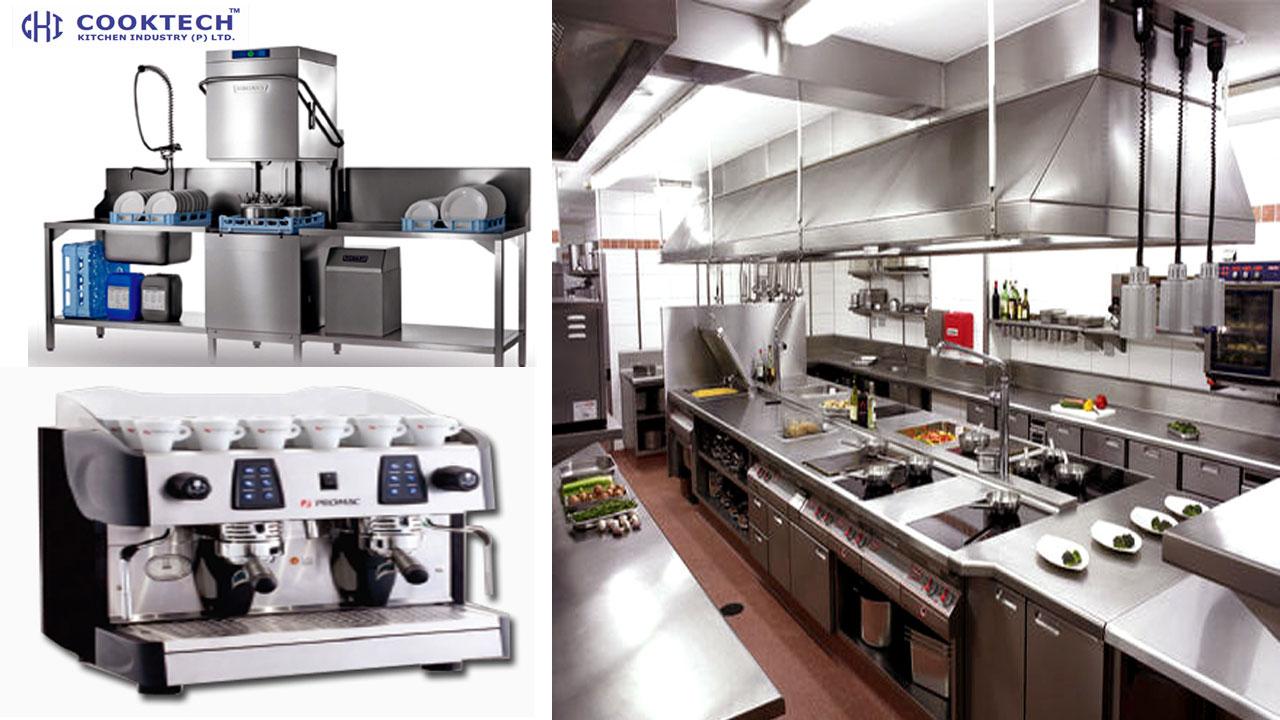
Running a successful restaurant requires more than great recipes and skilled chefs. The quality, efficiency, and reliability of the equipment used in the kitchen directly affect food preparation, service speed, hygiene, and operating costs. This is why choosing the right restaurant kitchen equipment is one of the most important decisions when setting up or upgrading a professional kitchen.
From cooking and refrigeration to food preparation, storage, and cleaning, every piece of equipment has a specific role. This guide explains the essential commercial kitchen equipment restaurants need and what to consider before making an investment.
What Is Commercial Kitchen Equipment?
Commercial kitchen equipment refers to professional-grade appliances, machines, workstations, and accessories designed for restaurants, hotels, cafés, bakeries, catering businesses, canteens, and other food-service establishments.
Unlike standard household appliances, commercial equipment is designed for frequent and intensive use. It generally offers greater capacity, stronger construction, improved performance, and features suitable for professional food preparation.
A properly equipped kitchen allows chefs and staff to work efficiently while maintaining consistent food quality and hygiene standards.
Essential Restaurant Kitchen Equipment
The exact equipment required depends on the restaurant's menu, kitchen size, daily customer volume, and style of service. However, most professional kitchens need equipment across several core categories.
1. Commercial Cooking Equipment
Cooking equipment forms the heart of most restaurant kitchens. It should be selected according to the dishes being prepared and the expected production volume.
Common cooking equipment includes:
-
Commercial gas ranges
-
Cooking burners
-
Deep fryers
-
Griddles
-
Commercial ovens
-
Tandoors
-
Steamers
-
Tilting pans
-
Salamanders and grills
Heavy-duty cooking equipment helps kitchen teams prepare large quantities of food while maintaining consistent temperatures and cooking results.
2. Commercial Refrigeration Equipment
Proper refrigeration is essential for preserving ingredients and reducing food spoilage. Restaurants often store vegetables, dairy products, sauces, beverages, meat, seafood, and prepared ingredients at different temperatures.
Important refrigeration equipment may include commercial refrigerators, deep freezers, under-counter refrigerators, display chillers, cold rooms, and refrigerated preparation counters.
Restaurants should select refrigeration capacity based on daily inventory requirements rather than simply choosing the largest available unit.
3. Food Preparation Equipment
Preparation can consume a significant amount of kitchen staff time. The right equipment helps simplify repetitive processes and supports faster food production.
Common preparation equipment includes:
-
Vegetable cutting machines
-
Food processors
-
Commercial mixers
-
Dough kneaders
-
Meat mincers
-
Potato peelers
-
Slicers
-
Blenders
-
Stainless steel preparation tables
When selecting restaurant kitchen equipment, consider which preparation activities happen most frequently. Automating high-volume tasks can improve workflow and reduce unnecessary manual effort.
4. Stainless Steel Kitchen Equipment
Stainless steel is widely used in professional kitchens because it provides a durable, practical, and easy-to-maintain work surface.
Common stainless steel products include work tables, storage racks, sinks, wall shelves, cabinets, service counters, and preparation stations.
Restaurants should look for equipment with strong construction, smooth surfaces, practical dimensions, and designs that are easy for staff to clean.
5. Commercial Dishwashing and Cleaning Equipment
A busy restaurant produces a continuous flow of used plates, utensils, cookware, and kitchen tools. An efficient washing area is therefore essential.
Depending on the size of the operation, restaurants may require commercial dishwashers, pot wash sinks, three-compartment sinks, pre-rinse units, waste collection systems, and drying racks.
The washing section should be positioned carefully so dirty utensils do not interfere with food preparation or serving areas.
6. Commercial Kitchen Storage Equipment
Proper storage makes ingredients, utensils, and supplies easier to organize and access.
Useful storage solutions include:
-
Stainless steel racks
-
Wall-mounted shelves
-
Storage cabinets
-
Ingredient bins
-
Utility racks
-
Plate racks
-
Mobile storage trolleys
Good storage planning also helps make better use of available kitchen space.
How to Choose Commercial Kitchen Equipment
Buying professional kitchen equipment requires more consideration than comparing prices. Equipment should support the restaurant's long-term operational requirements.
Consider Your Menu
Start with the menu. Identify the cooking, preparation, refrigeration, and storage requirements for each major category of food.
A bakery, for example, may prioritize ovens, mixers, dough preparation machines, and refrigeration. A fast-food restaurant may need fryers, griddles, freezers, and quick-service preparation counters.
Evaluate Available Kitchen Space
Measure the kitchen before purchasing large appliances. Equipment should fit comfortably without restricting movement.
Restaurants also need enough space for preparation, cooking, washing, storage, and service activities.
Check Capacity and Performance
Equipment capacity should match expected production levels. Buying undersized equipment can slow operations during peak periods, while oversized equipment may consume unnecessary space and energy.
Consider both current requirements and reasonable future growth.
Focus on Build Quality
Commercial kitchens operate for long hours, so durability matters. Look for strong construction, reliable components, suitable materials, and equipment designed specifically for professional environments.
Consider Energy Efficiency
Energy consumption can become a major restaurant expense. Refrigerators, freezers, ovens, cooking ranges, and ventilation systems may operate for many hours each day.
Choosing efficient equipment and maintaining it properly can help control long-term operating costs.
Importance of Commercial Kitchen Layout
Even high-quality equipment cannot deliver maximum efficiency if the kitchen layout is poorly planned.
A professional kitchen typically includes separate areas for storage, preparation, cooking, plating, washing, and waste handling. The objective is to create a logical movement of ingredients from receiving and storage through preparation and cooking to final service.
Frequently used equipment should be positioned where staff can reach it easily. At the same time, sufficient working space should be maintained around hot equipment and preparation areas.
Safety and Hygiene Considerations
Commercial kitchens must maintain high standards of cleanliness and workplace safety.
Equipment should be easy to clean and positioned so staff can access areas underneath and around it when necessary. Food-contact surfaces should be cleaned regularly, while refrigeration equipment should maintain appropriate temperatures.
Kitchen teams should also follow manufacturer instructions when operating cooking, electrical, refrigeration, and mechanical equipment.
Maintenance of Restaurant Kitchen Equipment
Regular maintenance can extend equipment life and reduce unexpected breakdowns.
Restaurant operators should establish cleaning and maintenance schedules for frequently used appliances. Filters, burners, refrigeration components, electrical connections, seals, and moving parts should be inspected according to manufacturer recommendations.
Staff should also report unusual noises, temperature changes, leaks, or performance problems early. Addressing minor problems before they become serious can help avoid costly downtime.
Choosing the Right Commercial Kitchen Equipment Manufacturer
The manufacturer or supplier you choose can be just as important as the equipment itself. Restaurant owners should evaluate product quality, customization options, installation support, technical expertise, warranties, and after-sales service.
Businesses searching for Commercial Kitchen Equipment Manufacturers in Noida should also consider whether the manufacturer can provide equipment suited to their specific kitchen dimensions, menu requirements, workflow, and expected production capacity.

 English
 French
 Spanish
 Portuguese
 Deutsch
 Turkish
 Dutch
Dutch
 Italiano
 Russian
 Romaian
 Portuguese (Brazil)
 Greek
Greek
