


5 Early Signs of Lazy Eye That Parents Often Miss.
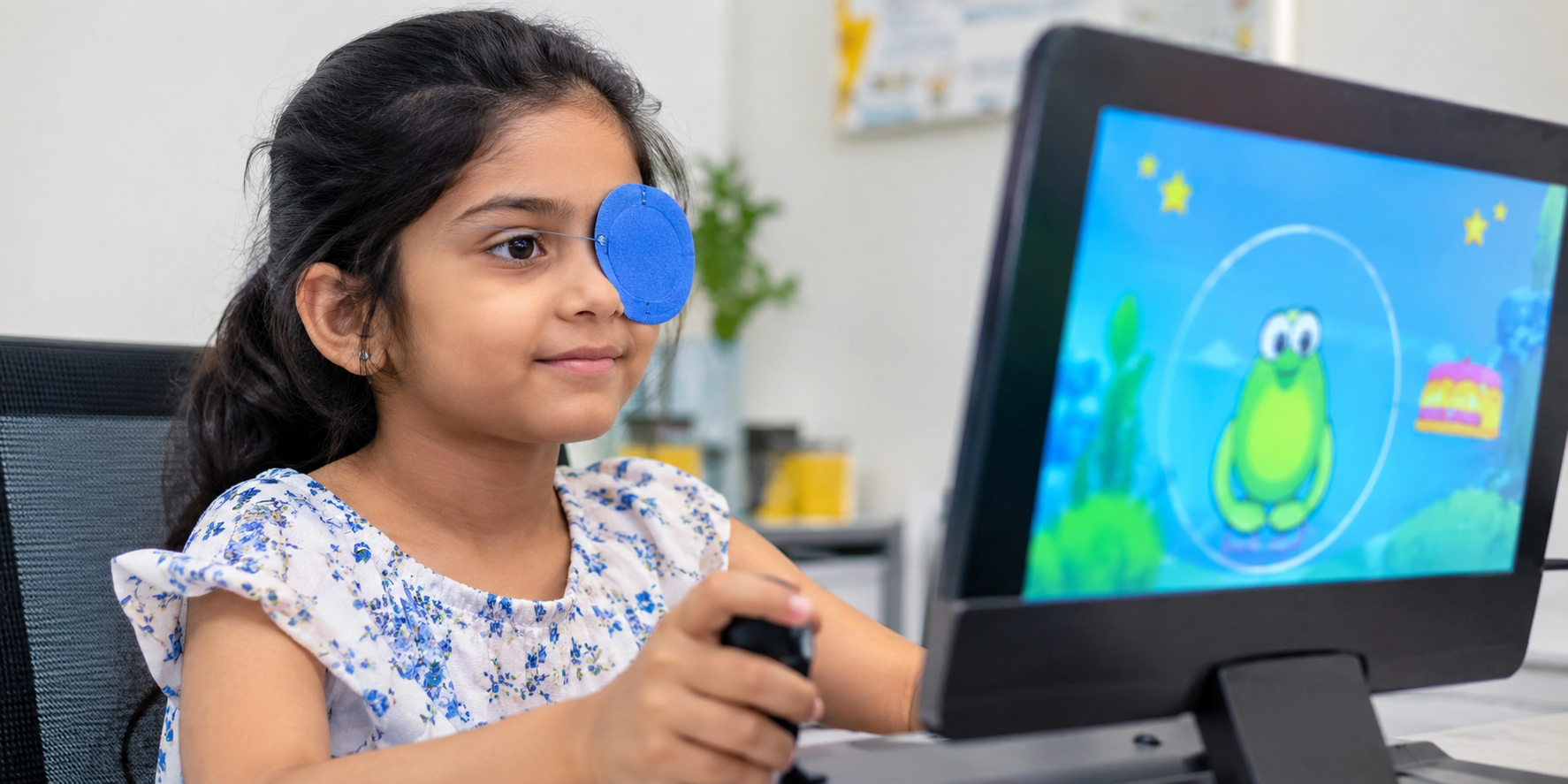
As parents, we watch our little ones grow with keen eyes, always celebrating every milestone from their first smile to their first steps. However, some developmental nuances happen quietly behind the scenes, making them a bit trickier to spot. Vision development in children is one of those areas where early awareness can make all the difference in the world. When it comes to amblyopia commonly known as lazy eye catching the signs early empowers families to explore timely lazy eye treatment options that support healthy, vibrant vision for years to come.
Because children's eyes develop rapidly during their first few years of life, subtle visual imbalances can sometimes go unnoticed. Children rarely complain about vision problems because they assume how they see is completely normal. To help you stay ahead, let's explore five early signs of lazy eye that parents often miss, along with practical insights to help you protect your child's precious sight.
1. Frequent Head Tilting or Turning
Have you ever noticed your child consistently tilting their head to one side while watching television, reading a book, or drawing? While it might look adorable at first glance, this posture is often a clever subconscious adjustment.
When one eye struggles to focus or align correctly, a child may tilt or turn their head to create a clearer visual field or compensate for weak eye muscles. If you see this happening regularly during focused activities, it is worth paying attention to how both eyes are working together.
-
What to look for: A consistent tilt to the same shoulder whenever your child concentrates on a nearby or distant object.
-
What to do: Gently ask them to straighten their head and observe if they squint or lose focus immediately afterward.
2. Closing or Covering One Eye in Bright Sunlight
Children are naturally expressive, but pay close attention if your child frequently squints, closes, or covers one eye when stepping out into bright sunlight or a well-lit room.
This behavior often indicates that one eye is significantly more sensitive to light or that the brain is relying exclusively on the stronger eye, shutting out the weaker one to avoid visual confusion or double vision.
-
What to look for: Sudden shielding of one eye outdoors, even when wearing sunglasses or a brimmed hat.
-
What to do: Note whether this happens consistently in high-glare environments and share your observations during your child's routine wellness check.
3. Clumsiness and Difficulty with Hand-Eye Coordination
Depth perception relies heavily on both eyes working in seamless harmony to send synchronized images to the brain. When one eye is weaker, a child's ability to judge distances accurately can be gently thrown off balance.
You might notice your child frequently bumping into doorframes, missing catches when playing catch with a soft ball, or struggling to stack blocks evenly. While every child experiences bumps and bruises as they explore the world, persistent challenges with spatial awareness can sometimes trace back to a visual imbalance.
-
What to look for: Unusually frequent misjudgments of steps, furniture corners, or tossed items.
-
What to do: Engage in simple games like rolling a ball back and forth or playing catch to observe their tracking abilities.
4. Rubbing Eyes Frequently Even When Well-Rested
Eye rubbing is a classic sign of fatigue, but when it happens constantly throughout the day regardless of how much sleep your child got it deserves a closer look.
Struggling to maintain focus or forcing mismatched eyes to work together places extra strain on the visual system. This physical fatigue often manifests as frequent eye rubbing, blinking, or complaints of tired eyes after short periods of reading or screen time.
-
What to look for: Habitual rubbing of the same eye during visual tasks like coloring or looking at picture books.
-
What to do: Encourage regular screen breaks and note if the rubbing decreases when visual tasks are put away.
5. Mild Eye Misalignment or Wandering
While a noticeable outward or inward turn of the eye is often caught early, mild or intermittent misalignments are much easier to miss. You might only notice an eye drifting slightly outward when your child is daydreaming, tired, or focusing intently on something far away.
The brain naturally prefers the stronger image and may momentarily ignore the weaker eye, causing it to drift. Capturing photos of your child using flash photography can sometimes help you spot symmetrical corneal reflections, though professional evaluation remains the gold standard.
-
What to look for: An occasional drift of one eye toward the nose or temple when your child is lost in thought.
-
What to do: Observe your child's eyes from various angles during calm, relaxed moments.
Supporting Your Child's Vision Journey
Nurturing your child's overall wellness includes proactive vision care. Pediatric eye specialists recommend scheduling comprehensive eye assessments well before children start school, even if no obvious symptoms are present. Modern pediatric eye care approaches are gentle, highly effective, and tailored specifically to support a child's natural visual development. By staying observant and partnering with qualified vision professionals, you provide your child with the clearest window to explore and enjoy the world around them.
Frequently Asked Questions
What causes a lazy eye to develop in children?
Amblyopia typically develops when there is a breakdown in how the brain and eyes work together. This can be caused by significant differences in prescription between the two eyes (refractive errors), an eye turn (strabismus), or anything that blocks clear vision during early childhood development, such as a congenital cataract.
At what age should children have their first comprehensive eye exam?
Experts generally recommend that infants have their first comprehensive eye assessment between 6 and 12 months of age. Subsequent checks should occur during preschool years (around age 3) and right before entering elementary school to ensure optimal visual readiness.
Can lazy eye improve on its own without professional guidance?
No, amblyopia typically does not resolve on its own. Because the neural pathways connecting the brain and the weaker eye need active support to strengthen, timely professional intervention is essential for achieving the best long-term visual outcomes.
Are there fun ways to support visual health at home?
Yes! Engaging your child in activities that encourage hand-eye coordination such as coloring within lines, stringing beads, assembling puzzles, and playing outdoor catch are wonderful ways to support their overall motor and visual skill development alongside professional guidance.

 English
 Arabic
 French
 Spanish
 Portuguese
 Deutsch
 Dutch
Dutch
 Italiano
 Russian
 Romaian
 Portuguese (Brazil)
 Greek
Greek
