


Beef Jerky: A Delicious and Practical Meat Snack
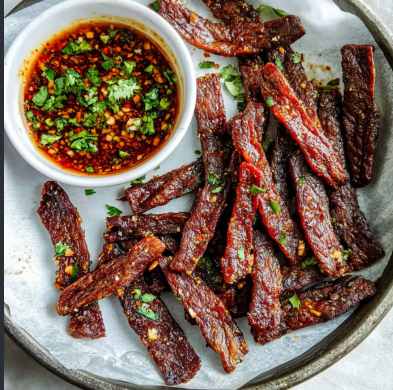
Beef jerky has become a favorite snack for people who appreciate rich flavors, satisfying textures, and convenient foods. Unlike fresh meat, beef jerky is lightweight, easy to carry, and ready to eat without cooking. It can be enjoyed during a busy workday, while traveling, on outdoor adventures, or simply as a flavorful snack at home. Its popularity comes from a combination of tradition, convenience, and the many ways beef can be seasoned and prepared.
Although beef jerky is widely available in supermarkets and specialty stores, its basic preparation is relatively simple. Lean beef is sliced into pieces, seasoned or marinated, and then dried carefully. The removal of moisture changes the meat into the familiar chewy product that people recognize as jerky.
What Makes Beef Jerky Special?
The most noticeable feature of beef jerky is its concentrated flavor. Fresh beef contains a large amount of water, but much of that moisture is removed during the drying process. As a result, the natural flavor of the meat and the seasonings become more pronounced.
Texture is another important characteristic. Depending on the preparation method, jerky can be soft and tender, moderately chewy, or quite firm. Some people enjoy jerky that can be eaten easily, while others prefer a tougher texture that requires more chewing.
This variety means that beef jerky is not limited to one particular taste or style. It can be mild, spicy, sweet, salty, smoky, or a combination of several flavors.
A Traditional Method of Preserving Meat
The concept of dried meat is centuries old. Long before refrigerators and modern food-storage systems, people needed reliable ways to preserve meat. Drying helped reduce moisture and made meat easier to keep and transport.
Different communities developed their own approaches to drying meat. Some used salt and spices, while others used natural air, sunlight, or smoke. These methods allowed people to make better use of available meat and prepare food that could be carried over long distances.
Modern beef jerky has developed from this general tradition. Today, controlled drying equipment, modern packaging, and carefully developed recipes make it possible to produce consistent jerky on both a commercial and homemade scale.
Choosing Beef for Jerky
The type of beef used has an important effect on the quality of jerky. Lean cuts are generally better suited for drying because excessive fat can make the finished product less desirable and may affect how well it keeps.
Before seasoning, the beef is normally trimmed and sliced into strips. Consistent slicing is useful because pieces of similar thickness are more likely to dry evenly. The direction of the cut can also influence the texture. Cutting across the muscle fibers can produce a product that is easier to chew, while other cutting methods may create longer, more fibrous pieces.
Preparing the meat carefully at this stage can make a noticeable difference in the finished snack.
The Importance of Seasoning
Seasoning is one of the most creative parts of making beef jerky. Because beef has a naturally savory flavor, it works well with a wide range of ingredients.
Simple recipes may use salt, black pepper, garlic, and onion. These ingredients create a classic taste without overwhelming the natural flavor of the beef. More adventurous recipes can include chili peppers, hot sauces, ginger, herbs, vinegar, sweeteners, or savory sauces.
Marinating the beef before drying allows the seasoning to become part of the overall flavor. The length of marination and the ingredients used can dramatically change the final product.
A sweet marinade can produce a gentle contrast to the salty beef, while spicy ingredients can add heat. Smoky flavors can give jerky a hearty character, making it especially appealing to people who enjoy barbecue-style foods.
Popular Beef Jerky Varieties
There are many different styles of beef jerky, and personal preference plays a major role in choosing among them.
Traditional beef jerky usually focuses on the natural flavor of beef combined with salt and simple spices. It is a good choice for people who prefer straightforward savory flavors.
Peppered jerky contains a noticeable amount of black pepper and may provide a slightly sharp or spicy taste.
Teriyaki-style jerky generally combines sweet and savory flavors. It can be particularly appealing to people who prefer a sweeter snack.
Barbecue-style jerky often emphasizes smoky, tangy, and savory notes.
Spicy jerky is designed for people who enjoy heat. Depending on the recipe, it may contain mild chili or much stronger hot pepper flavors.
There are also countless homemade recipes that combine these styles, creating unique flavors that are difficult to find in standard products.
Beef Jerky as a Protein Snack
Beef jerky is often chosen as a protein-rich snack. Since the drying process removes much of the water from the meat, a relatively small amount of jerky can contain a concentrated amount of protein.
Beef also naturally supplies several nutrients, including iron, zinc, and vitamin B12. These nutrients contribute to a nutritious diet when consumed as part of a varied eating pattern.
At the same time, the nutritional content of jerky varies significantly from one product to another. Seasonings and marinades can add sodium and sugar, so consumers should consider the ingredients and serving size when selecting a product.
Jerky can be a convenient snack, but variety is still important in a healthy diet. Pairing it with other nutritious foods can provide a broader range of nutrients.
Why Jerky Is Convenient
Convenience is one of the strongest reasons for the popularity of beef jerky. It is small, portable, and does not require utensils. Packaged jerky can easily fit into a backpack, purse, lunch bag, or vehicle.
For travelers, jerky can be a practical snack during long journeys. Hikers and campers also appreciate foods that take up little space and are easy to eat. Workers and students can keep jerky available for moments when they need a quick snack between meals.
Its durability and portability also make it different from many fresh foods. Instead of needing preparation before every serving, jerky can simply be opened and eaten.
Making Beef Jerky at Home
Preparing beef jerky at home can be an enjoyable cooking project. It allows people to experiment with different cuts, seasonings, marinades, and textures.
A basic homemade process involves selecting lean beef, trimming it, slicing it into consistent strips, seasoning or marinating it, and drying it using appropriate equipment. A food dehydrator is a common option, although other controlled methods may also be used.
Food safety should always be a priority. Raw meat needs careful handling, appropriate heating, and clean preparation surfaces. The finished jerky should also be stored according to safe food-storage practices.
One advantage of making jerky at home is the ability to adjust the recipe. Someone who prefers low-sodium foods can modify the seasoning, while a fan of spicy snacks can increase the amount of chili.
Beef Jerky and Outdoor Adventures
Beef jerky has a natural connection with outdoor activities. Its small size and strong flavor make it a convenient choice for hiking, camping, fishing, and road trips.
Outdoor activities often require foods that are simple to carry and consume. A bag of jerky can be packed alongside other snacks without taking up much room. Its chewy texture can also make it feel more substantial than many lightweight snack foods.
For this reason, beef jerky has become closely associated with adventure and travel. It represents food that can be taken almost anywhere and enjoyed without complicated preparation.
The Future of Beef Jerky
The world of beef jerky continues to evolve. Consumers now have more choices in terms of flavors, textures, ingredients, and preparation styles than ever before.
Some people are interested in simple ingredient lists, while others look for bold flavors and creative combinations. Manufacturers and home cooks continue to experiment with new seasonings and techniques.
Despite these changes, the fundamental appeal of jerky remains the same: it transforms beef into a portable, flavorful, and satisfying snack.
Conclusion
Beef jerky is a unique food that combines traditional meat preservation with modern convenience. Its rich flavor, chewy texture, portability, and variety have helped it remain popular among people with very different lifestyles.
From classic peppered recipes to sweet teriyaki-style and intensely spicy varieties, beef jerky offers something for almost every taste. It can be enjoyed during travel, outdoor activities, work breaks, or quiet moments at home.
While its history is rooted in the practical need to preserve meat, today's beef jerky has become a versatile snack appreciated primarily for its flavor and convenience. Whether bought from a store or prepared at home, a well-made piece of beef jerky demonstrates how a simple food can become a satisfying part of modern snacking.

 English
 Arabic
 Spanish
 Portuguese
 Deutsch
 Turkish
 Dutch
Dutch
 Italiano
 Russian
 Romaian
 Portuguese (Brazil)
 Greek
Greek
