


How Veterinary Laser Therapy Machines Support Pain Management in Animals
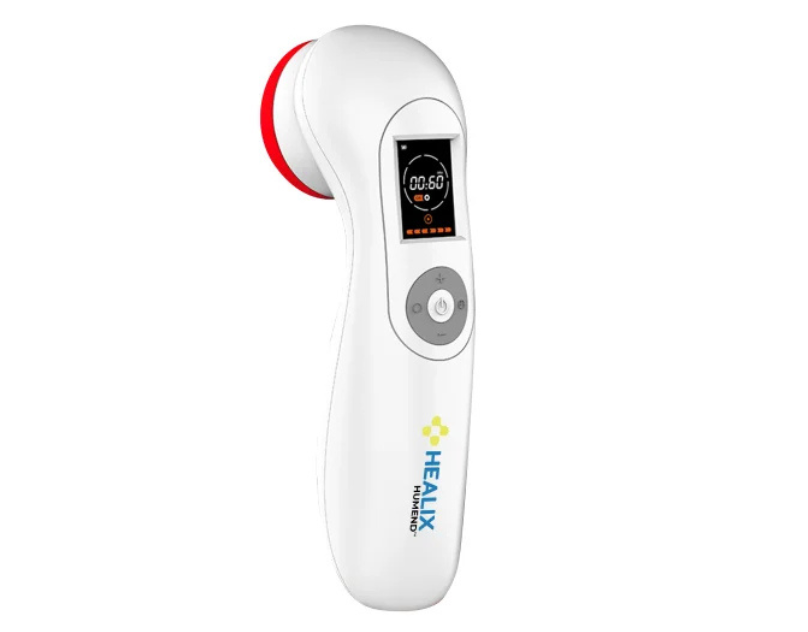
Animal healthcare continues to evolve as veterinarians look for non-invasive ways to support pain management and recovery. Among the technologies used in modern veterinary care, a veterinary laser therapy machine can be an important tool for supporting comfort, mobility, and tissue recovery. By delivering therapeutic light to targeted areas, laser therapy may help stimulate cellular activity and support the body's natural healing processes.
Understanding Veterinary Laser Therapy
Veterinary laser therapy, often called photobiomodulation, uses specific wavelengths of light to interact with tissues. The light energy is absorbed by cells and may support cellular processes involved in tissue repair and recovery.
A veterinary laser therapy machine is designed to deliver controlled therapeutic energy to areas that may be affected by injury, inflammation, or discomfort. Treatment protocols vary according to the animal, condition, treatment area, and equipment used, so veterinary professionals should determine appropriate settings and treatment schedules.
Supporting Pain Management
Pain can affect an animal's movement, behavior, appetite, and overall quality of life. Managing discomfort is therefore an important part of veterinary treatment.
Laser therapy may support pain management by addressing factors associated with inflammation and tissue irritation. Depending on the underlying condition, therapeutic laser treatments may be incorporated into a broader veterinary care plan alongside other appropriate therapies.
For animals recovering from musculoskeletal injuries, soft-tissue problems, or certain surgical procedures, laser therapy may provide an additional non-invasive treatment option under professional supervision.
Promoting Natural Recovery
One of the key reasons veterinary professionals may consider laser therapy is its potential to support the body's natural healing response. Therapeutic light may influence cellular activity and circulation in treated tissues, helping create conditions that support recovery.
This can be particularly useful when an animal is recovering from an injury or procedure. Supporting tissue recovery may also help animals gradually return to normal movement and activity as directed by their veterinarian.
Helping Improve Mobility and Comfort
Discomfort can cause animals to avoid movement or change their normal posture. Over time, altered movement patterns can affect other parts of the body.
A veterinary laser therapy machine may be incorporated into rehabilitation programs designed to support comfort and mobility. For example, veterinarians may consider laser therapy as part of a multimodal approach for animals experiencing musculoskeletal discomfort.
Treatment should always be tailored to the individual animal. The veterinarian can assess the underlying problem and determine whether laser therapy is appropriate.
Applications Across Veterinary Care
Laser therapy has applications across different areas of animal healthcare. Depending on the equipment and clinical protocol, veterinarians may use therapeutic laser as part of treatment plans for conditions involving muscles, joints, tendons, ligaments, and other soft tissues.
It may also be considered during rehabilitation following certain procedures or injuries. In equine medicine, canine rehabilitation, and general veterinary practice, therapeutic laser can complement other forms of professional care.
The goal is not to replace diagnosis or conventional treatment but to provide another tool that can be integrated into an individualized care plan.
Advantages of Non-Invasive Therapy
Many animals can be difficult to treat because they cannot communicate exactly where or how they hurt. Non-invasive treatment options can therefore be valuable when appropriately selected.
Laser therapy does not involve surgical incisions and is generally administered externally. Sessions can be incorporated into a veterinary clinic's treatment or rehabilitation routine.
The experience can vary between animals, and appropriate safety procedures are essential. Veterinary professionals should use equipment according to manufacturer instructions and established clinical protocols.
Choosing the Right Veterinary Laser Therapy Machine
Selecting a veterinary laser therapy machine requires careful consideration. Veterinary practices should evaluate factors such as available wavelengths, power settings, treatment modes, usability, safety features, applicator design, and manufacturer support.
The needs of a small-animal practice may differ from those of an equine rehabilitation center or a multidisciplinary veterinary clinic. Training and professional guidance are also important because effective therapeutic laser use depends on appropriate treatment parameters and clinical judgment.
Healix Lasers Professional provides laser therapy technology designed to support professional applications in modern therapeutic care. Veterinary practices considering laser therapy should evaluate equipment based on their clinical requirements and work with qualified professionals to establish appropriate treatment protocols.
A Complementary Approach to Animal Care
Effective pain management often involves more than one strategy. Depending on the animal's condition, a veterinarian may combine medication, rehabilitation, exercise modification, physical therapy, nutritional support, and other appropriate interventions.
Laser therapy can serve as one component of this broader approach. Its role is to support the veterinary team's treatment goals rather than replace diagnosis, medication when needed, surgery when indicated, or other essential medical interventions.
Conclusion
A veterinary laser therapy machine can be a valuable addition to modern animal rehabilitation and pain-management programs. By using therapeutic light to support cellular activity and the body's natural recovery processes, laser therapy may help promote comfort, mobility, and tissue recovery in appropriately selected cases. Healix Lasers Professional offers technology for professionals exploring therapeutic laser applications in veterinary care. As with any clinical technology, treatment should be guided by a qualified veterinary professional who can assess the animal's condition and develop a safe, individualized care plan.

 Arabic
 French
 Spanish
 Portuguese
 Deutsch
 Turkish
 Dutch
Dutch
 Italiano
 Russian
 Romaian
 Portuguese (Brazil)
 Greek
Greek
