


How Can Corporate Landscaping Work Without Disrupting Office Operations?
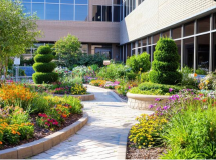
Office landscaping can improve the appearance and usability of a workplace, but commercial work needs careful planning. Employees still need to enter the building, meetings must continue, visitors need clear access, and everyday operations cannot simply stop while outdoor improvements are being completed.
Well-planned corporate landscaping can be carried out alongside regular office activities when the project is organised around the property's working schedule. The key is to plan the work in stages, manage access properly, and keep communication clear from the beginning.
Start With the Office's Daily Routine
Before work begins, the landscape team should understand how the office operates.
Busy entrances, employee parking areas, visitor pathways, delivery points, meeting schedules, and high-traffic outdoor spaces should all be identified.
This information helps the team decide where work can happen first and which areas should remain available throughout the project.
A site that is busy during office hours may require a different work schedule from a property that has more flexibility in the evening or on weekends.
Divide the Project Into Manageable Areas
Working on the entire outdoor space at once can create unnecessary disruption.
Instead, the property can be divided into smaller sections. One planting area may be completed while other entrances and pathways remain open.
This phased approach allows employees and visitors to continue using most of the property while improvements take place.
It also gives the project team a clearer sequence for completing different landscape elements.
Plan Around High-Traffic Times
Timing can make a significant difference.
Work involving deliveries, digging, equipment movement, or material installation can be scheduled during periods when fewer people are using the affected area.
For example, some activities may be better suited to early mornings, evenings, weekends, or planned office closures, depending on the property's working arrangements.
The schedule should be agreed with the facility or property management team before work begins.
Keep Entrances and Walkways Accessible
Access should be treated as a priority throughout the project.
If a main pathway needs to be worked on, an alternative route should be identified before the area is closed. Temporary signs or clearly marked access routes can help employees and visitors move around the property comfortably.
The same principle applies to parking areas, service entrances, emergency access, and visitor drop-off points.
Communicate Changes Clearly
Even a well-planned project can become inconvenient if people don't know what is happening.
Office management should receive clear information about upcoming work, affected areas, expected timings, and temporary access changes.
Simple communication can help employees understand why a particular route is unavailable or why work is taking place at a specific time.
For larger properties, regular updates between the landscape team and facility managers can keep everyone informed.
Control Noise, Dust, and Material Movement
Some landscape activities naturally create noise or require equipment and materials to be moved around the site.
These activities should be planned carefully, particularly near meeting rooms, reception areas, customer-facing spaces, and employee work zones.
Materials can also be delivered in stages rather than occupying large sections of the property for long periods. Keeping work areas organised helps maintain a professional appearance while the project is underway.
Protect Existing Office Infrastructure
Landscape work can take place close to underground utilities, drainage systems, electrical connections, building entrances, and other infrastructure.
Before excavation or installation, the project team should understand what is already present on the site.
Careful planning helps protect existing infrastructure and reduces unnecessary interruptions to office operations.
Plan Maintenance Without Affecting Work
The project shouldn't end with installation. Ongoing landscape maintenance also needs to fit around office activities.
Routine watering, pruning, lawn care, and plant maintenance can often be scheduled during quieter periods, helping the outdoor space remain presentable without affecting employees or visitors.
A maintenance schedule that matches the property's working pattern can make long-term landscape care easier to manage.
Conclusion
Corporate landscaping doesn't have to interrupt normal office operations. The difference comes down to planning. Understanding daily routines, dividing work into phases, protecting access, scheduling disruptive activities carefully, and maintaining clear communication can keep the project organised.
When landscape improvements are planned around the needs of the workplace, businesses can develop greener, more welcoming outdoor spaces while allowing employees, visitors, and day-to-day operations to continue with minimal interruption.
FAQs
1. Can landscaping work be completed while an office remains open?
Yes. Projects can be divided into phases and scheduled around office activities so that essential areas remain accessible.
2. What should be considered before starting office landscaping?
Traffic patterns, entrances, parking, employee movement, deliveries, meeting areas, existing infrastructure, working hours, and maintenance needs should be reviewed.
3. Is weekend landscaping better for offices?
It can be useful for activities that create more noise or require temporary access restrictions, but the best schedule depends on the property's operating pattern.
4. How can employees be informed about landscape work?
Office management can share simple updates about affected areas, temporary routes, work timings, and expected changes.
5. Why is phased landscaping useful for corporate properties?
Phased work allows different areas to be improved progressively while keeping other parts of the property available for regular office use.

 English
 Arabic
 Spanish
 Portuguese
 Deutsch
 Turkish
 Dutch
Dutch
 Italiano
 Russian
 Romaian
 Portuguese (Brazil)
 Greek
Greek
