


How to Remove Rust From Metal and Protect It From Future Damage
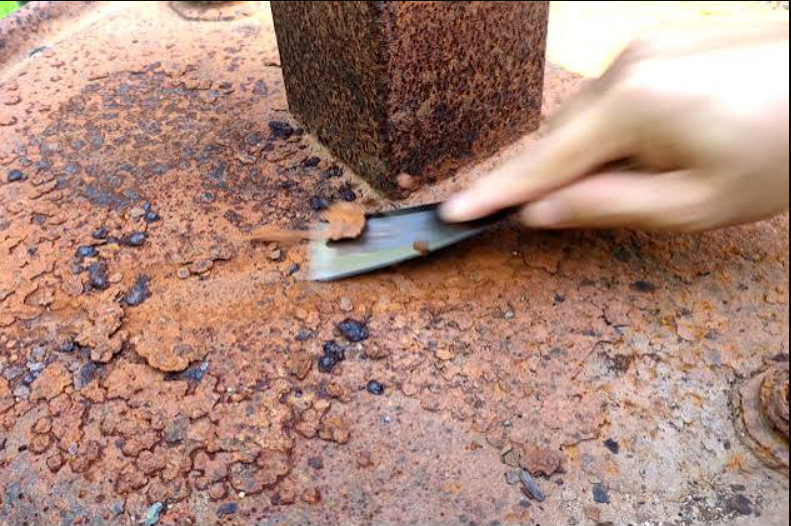
Rust is a common problem with metal surfaces exposed to moisture, oxygen, chemicals, or outdoor conditions. Over time, corrosion can weaken metal, affect its appearance, and make components harder to use or repair. Choosing the right rust remover for metal and following proper preparation methods can help restore corroded surfaces and extend the useful life of metal parts.
Whether you are working on tools, machinery, automotive components, pipes, or household metal objects, understanding how rust develops and how to treat it can make the repair process more effective.
Why Does Metal Rust?
Rust is primarily the result of an electrochemical reaction between iron, oxygen, and moisture. When iron or steel remains exposed to water and air, oxidation can gradually create iron oxide, commonly known as rust.
Several conditions can accelerate corrosion, including:
- High humidity
- Rain and water exposure
- Salt or salty air
- Chemical exposure
- Scratches that remove protective coatings
- Poor storage conditions
- Long-term outdoor exposure
Once corrosion begins, leaving it untreated can allow the affected area to become increasingly difficult to restore.
Choosing a Rust Remover for Metal
The right rust remover for metal depends on the type of metal, the severity of corrosion, and the size of the affected area.
Chemical rust removers can dissolve or loosen oxidation, while mechanical methods such as sanding or wire brushing physically remove surface rust. Some products are designed to convert rust into a more stable coating rather than completely removing it.
Before using any rust-removal product, read the manufacturer's instructions and confirm that it is suitable for the particular metal surface.
Common Ways to Remove Rust
1. Wire Brushing
A wire brush can be useful for removing loose or flaky rust from metal. It works particularly well on tools, brackets, machinery components, and other durable surfaces.
For larger areas, a powered wire brush can speed up the process, but it should be used carefully to avoid damaging the underlying metal.
2. Sanding
Sandpaper or abrasive pads can remove surface oxidation and prepare metal for painting or another protective coating.
Start with an appropriate coarse abrasive when removing heavier corrosion and move to a finer abrasive to smooth the surface.
3. Chemical Rust Removal
Chemical rust removers can be useful when corrosion is difficult to remove mechanically. Depending on the formulation, these products may dissolve rust or chemically convert it.
Always follow the product's safety instructions, including recommended protective equipment, ventilation, application time, and cleanup procedures.
4. Cleaning and Drying
After rust has been removed, thoroughly clean the surface to eliminate residue, dirt, and remaining loose corrosion. The metal should then be completely dry before applying paint, primer, sealant, or another protective finish.
Moisture left on the surface can contribute to renewed corrosion.
When Should Rusty Metal Be Repaired?
Not every rusty component needs to be replaced. Surface corrosion can often be treated when the underlying metal remains structurally sound.
However, replacement or more extensive repair may be necessary when rust has caused:
- Deep pitting
- Holes
- Significant loss of material
- Cracks
- Structural weakening
- Severe corrosion around joints or fasteners
A cosmetic rust problem is different from corrosion that has compromised the strength or function of a component.
Using a Metal Repair Kit
A metal repair kit can be helpful when corrosion has created small holes, cracks, gaps, or damaged areas that require reinforcement or filling.
Depending on the product, a repair kit may contain materials such as epoxy compounds, reinforcement materials, applicators, or surface-preparation products.
Before applying a repair compound, the damaged area should generally be cleaned and prepared according to the manufacturer's instructions. Removing loose rust and contaminants can help improve adhesion.
A repair kit is most appropriate when the remaining metal provides a suitable base for the repair. Severely deteriorated structural components may require professional assessment or replacement instead.
Preparing Metal Before Repair
Proper surface preparation is one of the most important steps in rust treatment.
A typical preparation process may include:
- Remove dirt, grease, and loose debris.
- Remove loose or flaky rust.
- Sand or brush the affected area as appropriate.
- Apply the selected rust-removal treatment.
- Clean away residue according to product instructions.
- Allow the metal to dry completely.
- Inspect the surface for remaining corrosion or structural damage.
- Apply the appropriate repair material or protective coating.
The exact procedure can vary depending on the product and the type of metal being repaired.
How to Prevent Rust From Returning
Removing existing rust is only part of the process. Protecting the metal afterward can reduce the chance of recurring corrosion.
Common protective measures include:
- Applying primer and paint
- Using a corrosion-resistant coating
- Keeping metal surfaces dry
- Storing tools in low-humidity conditions
- Applying suitable protective oils where appropriate
- Repairing damaged paint or protective coatings promptly
- Keeping outdoor metal components clean
Regular inspection is particularly useful for machinery, vehicles, tools, and metal structures exposed to moisture or chemicals.
Rust Removal vs. Metal Repair
Rust removal and metal repair serve different purposes.
Rust removal addresses corrosion and attempts to restore a cleaner metal surface. Metal repair addresses physical damage such as holes, cracks, gaps, or missing material.
In some situations, both processes may be necessary. For example, a rusty metal panel with a small corroded hole may first need to be cleaned and treated before a suitable metal repair kit is used to restore the damaged area.
Safety Considerations When Removing Rust
Rust-removal work can produce dust, particles, or chemical exposure depending on the method used.
When working with chemical products or power tools, follow the manufacturer's safety instructions. Appropriate protective equipment may include gloves, eye protection, and respiratory protection where recommended.
Work in a properly ventilated area when using chemical treatments, coatings, or products that produce fumes.
Frequently Asked Questions
What is the best rust remover for metal?
The best rust remover for metal depends on the type and severity of corrosion and the material being treated. Mechanical methods may work for surface rust, while chemical rust removers can be useful for more persistent oxidation. Always select a product compatible with the specific metal.
Can rust be completely removed from metal?
Surface rust can often be removed effectively, but deeply corroded metal may have permanent pitting or material loss. In severe cases, cleaning alone may not restore the original condition, and repair or replacement may be necessary.
Can I use a metal repair kit on rusty metal?
A metal repair kit generally works best on properly prepared surfaces. Loose rust, dirt, grease, and other contaminants should be removed according to the repair product's instructions before application.
Should I remove rust before using a metal repair kit?
In most cases, yes. Removing loose corrosion and preparing the surface can help a repair compound adhere properly. Follow the specific preparation instructions supplied with the repair kit.
How can I stop rust from coming back?
After removing rust, keep the metal dry and apply an appropriate protective coating, primer, paint, or corrosion inhibitor. Regular inspection can also help identify new corrosion before it becomes severe.
Does vinegar remove rust from metal?
Mild acids such as vinegar can loosen some surface rust, but results vary depending on the metal and severity of corrosion. Commercial rust-removal products may be more suitable for extensive or stubborn corrosion.
Can rusty metal be repaired instead of replaced?
Yes, when the remaining metal is structurally sound and the damage is limited. Small holes, cracks, and gaps may sometimes be addressed with a suitable metal repair kit. Severely weakened structural metal may require replacement.
Is rust removal safe?
Rust removal can be performed safely when appropriate precautions are followed. Mechanical methods can create dust or particles, while chemical products may require gloves, eye protection, ventilation, or other precautions. Always follow the manufacturer's safety instructions.
Conclusion
Rust can gradually damage iron and steel, but early treatment can help preserve metal components and prevent corrosion from becoming more severe. Choosing an appropriate rust remover for metal, preparing the surface properly, and applying a suitable protective coating can make rust treatment more effective.
When corrosion has caused holes, cracks, or other physical damage, a metal repair kit may provide a practical option when the underlying metal remains strong enough to support the repair. For severely corroded or load-bearing components, replacement or professional evaluation may be the safer choice.

 English
 Arabic
 French
 Spanish
 Portuguese
 Deutsch
 Turkish
 Dutch
Dutch
 Italiano
 Romaian
 Portuguese (Brazil)
 Greek
Greek
