


Can You Replace an Old Dental Filling?
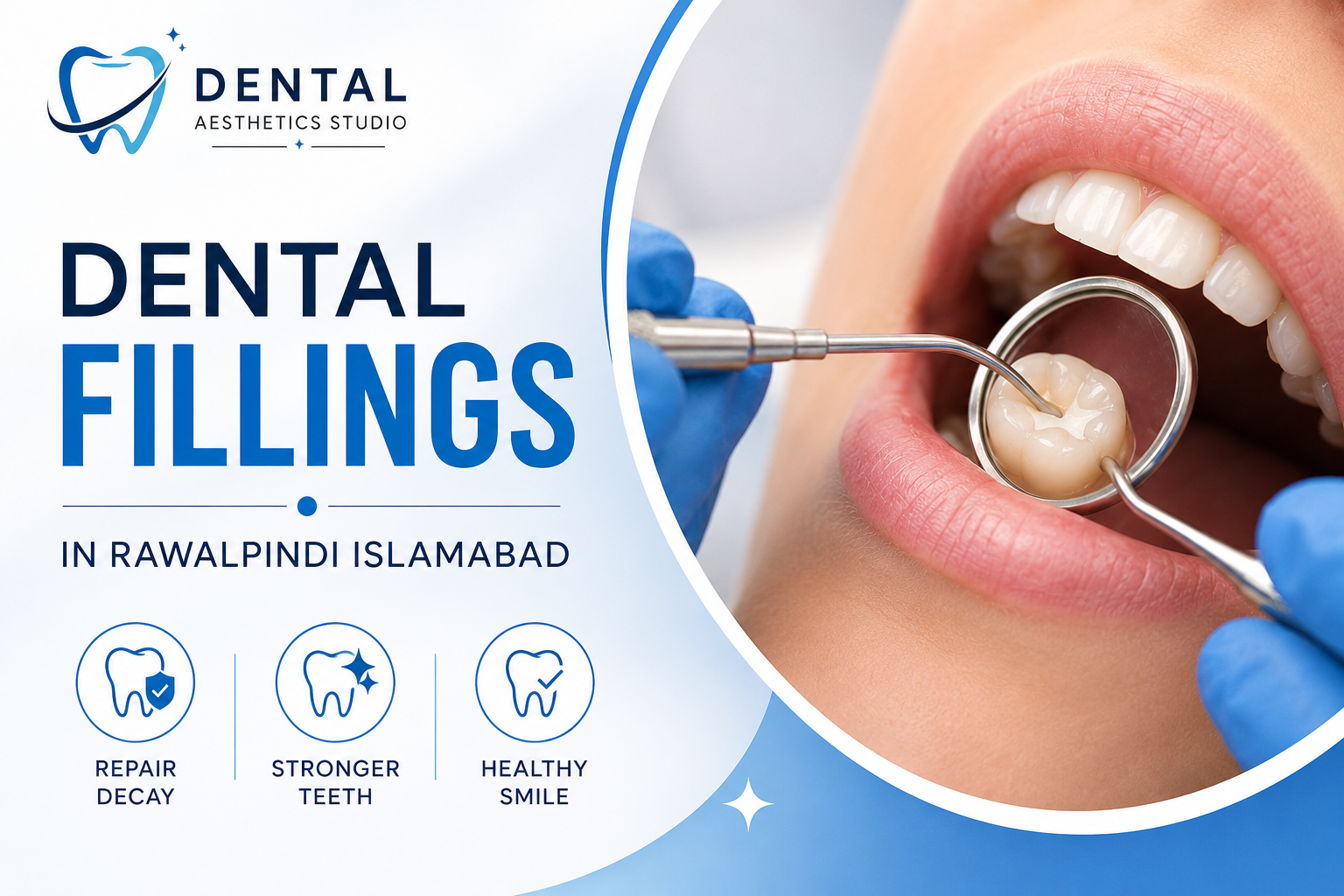
Old dental fillings can last for many years, but they may eventually become worn, cracked, loose, or damaged. When a filling no longer seals the tooth properly, bacteria can enter around the edges and increase the risk of new decay. A dentist can examine the restoration and determine whether it needs repair or replacement.
If your existing filling is damaged or has developed problems dental fillings in Rawalpindi and Islamabad can help restore the tooth and protect it from further damage. Replacing an old filling can also improve the tooth's function and appearance.
Why Do Old Dental Fillings Need Replacement?:
Dental fillings do not have an unlimited lifespan. Their durability depends on the filling material, size and location of the restoration, oral hygiene, chewing pressure, and habits such as teeth grinding or clenching.
Over time, the edges of a filling can wear down or develop small gaps. These spaces may allow plaque and bacteria to collect around the restoration, potentially causing recurrent tooth decay.
What Are the Signs of an Old Filling That Needs Replacement?:
Several symptoms may indicate that an existing filling needs to be examined. These can include tooth sensitivity, pain when biting, visible cracks, rough edges, discoloration, or food frequently becoming trapped around the filling.
However, a failing filling does not always cause noticeable symptoms. Regular dental examinations allow a dentist to check restorations and identify problems at an early stage.
Can an Old Filling Be Repaired Instead of Replaced?:
Sometimes a dentist can repair a small damaged section of an existing filling instead of removing the entire restoration. This may be possible when the damage is limited and the surrounding tooth remains healthy.
If the filling has extensive cracks, significant wear, leakage, or recurrent decay, complete replacement may be recommended. Your dentist will evaluate the restoration before deciding which approach is appropriate.
How Is an Old Dental Filling Replaced?:
The dentist usually begins by numbing the area to keep the procedure comfortable. The old filling is then carefully removed, and any decayed or weakened tooth structure is cleaned away. The cavity is prepared before the new restoration is placed.
For patients seeking expert dental fillings in Rawalpindi and Islamabad</a>, the dentist can explain different filling materials and recommend an option based on the tooth's condition, location, and cosmetic needs.
How Often Should Dental Fillings Be Replaced?:
There is no specific time when every dental filling must be replaced. Some fillings can remain functional for many years, while others may need attention sooner because of decay, cracks, wear, or heavy chewing forces.
Dentists generally do not replace a filling simply because it is old. Instead, they examine its condition and the surrounding tooth to determine whether replacement is necessary.
Does Replacing an Old Filling Hurt?:
Dental filling replacement is generally performed using local anesthesia, which numbs the treatment area and helps keep the procedure comfortable. You may experience pressure or vibration during treatment, but you should not feel significant pain.
Some temporary sensitivity can occur after a filling is replaced, particularly when the restoration was deep. If sensitivity or pain persists or becomes severe, contact your dentist for an evaluation.
When Is a Dental Crown Better Than a New Filling?:
If an old filling has failed and a large amount of tooth structure has been lost, placing another filling may not provide enough support. In these situations, a dental crown may be recommended.
A crown covers and protects the remaining tooth structure. Your dentist will consider the size of the damaged area, the strength of the remaining tooth, and the location of the tooth before recommending a crown.
How Can You Make a Replacement Filling Last Longer?:
Good oral hygiene is important for protecting a new filling. Brush twice daily with fluoride toothpaste and clean between your teeth every day. Limiting frequent sugary foods and drinks can also help reduce the risk of additional tooth decay.
Regular dental checkups allow your dentist to monitor the new restoration and surrounding tooth. If you grind or clench your teeth, your dentist may also recommend measures to reduce excessive pressure on the filling.
Final Thoughts on Replacing an Old Dental Filling:
Yes, an old dental filling can often be replaced if it has become damaged, worn, loose, or affected by recurrent decay. However, not every old filling needs to be replaced. A professional dental examination is important to determine whether repair, replacement, a crown, or another treatment is appropriate.
For professional dental aesthetics studio care in Islamabad and Rawalpindi, regular dental visits can help identify problems with old fillings early and protect your natural teeth from further damage.

 English
 Arabic
 French
 Spanish
 Portuguese
 Deutsch
 Turkish
 Dutch
Dutch
 Russian
 Romaian
 Portuguese (Brazil)
 Greek
Greek
