


How Natural Materials Influence Consumer Perception
Before a customer reads a single word on a label or marketing message, the material in their hands has already begun shaping their judgment. Natural materials carry an immediate, often subconscious weight in how products are evaluated — communicating quality, care, and authenticity in ways that synthetic alternatives frequently struggle to replicate. Understanding how natural materials influence consumer perception has become essential for brands seeking to build genuine trust in an increasingly discerning marketplace.
Material choice is no longer a purely functional or cost-driven decision — it's a strategic communication tool. From the texture customers feel to the visual cues materials provide, every choice contributes to overall consumer perception of quality and value. This article explores why natural materials resonate so strongly with modern consumers, how they shape trust and brand perception, and what brands can do to leverage material choice as a genuine differentiator.
What Role Do Natural Materials Play in Product Design?
Natural materials play a foundational role in product design by directly shaping how a product looks, feels, and is ultimately perceived before a customer even engages with its core function. Materials like wood, kraft paper, cotton, and other unprocessed or minimally processed substances carry inherent visual and tactile qualities that manufactured alternatives often cannot fully replicate.
This connects directly to material quality and broader product authenticity, as natural materials tend to signal genuine craftsmanship rather than mass-produced uniformity. As consumer awareness around sourcing and production has grown, there's been a clear shift toward materials that feel genuine and unprocessed, reflecting a broader cultural preference for transparency over artificial polish in both product design and packaging.
Why Do Consumers Trust Products Made With Natural Materials?
Trust is one of the most valuable outcomes a brand can earn, and material choice plays a surprisingly significant role in building it. When customers encounter natural materials, they often interpret them as evidence of honesty in production, rather than an attempt to mask lower-quality components behind synthetic finishes.
This connection is central to why consumers trust products made with natural materials: it comes down to material transparency. Unlike synthetic alternatives that can sometimes feel engineered to disguise their true composition, natural materials tend to visibly and tactilely reveal exactly what they are. This transparency reduces skepticism and reinforces consumer trust, particularly among shoppers who have grown wary of greenwashing or misleading product claims in other areas of the market.
How Material Texture Affects Product Quality Perception
Texture is one of the most immediate, sensory-driven ways customers evaluate product quality, often forming impressions before any conscious analysis takes place.
The Sensory Role of Material Texture
Material texture contributes significantly to the overall sensory experience a product delivers, directly influencing perceived value in ways that visual appearance alone cannot achieve. This connects closely to consumer psychology, since tactile feedback engages a different, often more instinctive layer of judgment than visual assessment. A tactile experience that feels substantial, natural, and well-crafted reinforces the sense that a product has been made with genuine care, regardless of its actual price point.
Organic and Raw Materials as Quality Signals
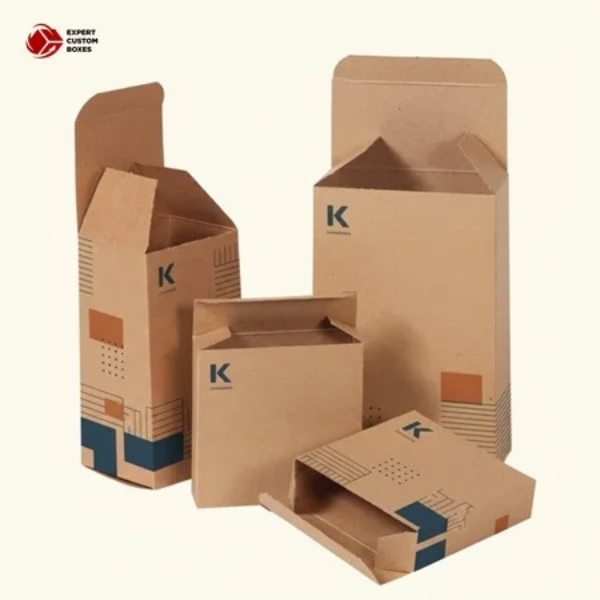
Organic materials and raw materials function as strong quality signals precisely because they retain visible and tactile evidence of their natural origin — grain patterns in wood, fiber texture in paper, or subtle irregularities that mark genuine, minimally processed substances. Companies like Expert Custom Boxes use kraft paper materials in their custom kraft packaging boxes to reinforce a natural, authentic product experience, illustrating how packaging materials themselves can extend this sense of craftsmanship beyond the core product.
Impact of Material Choice on Brand Perception
Material decisions extend well beyond individual products, shaping how customers perceive an entire brand's identity and values over time.
Material Aesthetics and Brand Identity
Material aesthetics — including earthy tones and minimalist design principles — reinforce brand authenticity by visually communicating restraint and intentionality rather than excess. These aesthetic choices are closely tied to environmental consciousness, as customers increasingly associate natural color palettes and simplified material presentation with genuine sustainability commitments rather than purely decorative choices.
Material Durability and Long-Term Trust
Material durability plays a critical role in shaping lasting consumer confidence, since materials that hold up well over time reinforce the initial impression of quality customers formed at purchase. When a brand consistently delivers durable, well-chosen materials across its product line, it builds brand credibility that compounds with each repeated purchase, transforming a single positive impression into sustained trust across the full customer relationship.
Benefits of Using Natural Materials in Product Design
The advantages of natural materials extend across several dimensions, making them a compelling choice for brands seeking genuine differentiation rather than superficial appeal.
Key benefits include enhanced authenticity, alignment with sustainability goals, richer sensory appeal, and meaningful differentiation from competitors relying on generic synthetic materials. Applications like fiber-based packaging and wood-based materials have become increasingly common precisely because they deliver on these benefits simultaneously, satisfying both functional packaging needs and the growing consumer expectation for materials that reflect genuine environmental consciousness throughout the product experience.
Why Do Eco-Friendly Materials Appeal to Modern Consumers?
Eco-friendly materials appeal to modern consumers because they represent a tangible way to align personal values with purchasing behavior, transforming everyday buying decisions into small statements of environmental responsibility.
This appeal is rooted in shifting consumer priorities, where eco-friendly materials are increasingly viewed not as a premium add-on but as a baseline expectation for responsible brands. Sustainable materials influence purchasing decisions particularly strongly among conscious shoppers who actively research material sourcing before committing to a purchase, making material choice a genuine competitive factor rather than a peripheral consideration.
How Raw Materials Shape Customer Buying Decisions
Raw materials directly influence perceived value at the exact moment of purchase, often functioning as a subconscious shortcut customers use to evaluate quality without needing extensive product research.
These material-driven trust signals accumulate significance over repeated purchases, as customers come to associate a brand's consistent material choices with reliable quality. This cumulative effect explains how raw materials shape customer buying decisions over the long term: it's rarely a single transaction that builds loyalty, but rather the consistent reinforcement of trust through material quality across every interaction with the brand.
Frequently Asked Questions
How do natural materials influence consumer perception of quality?
Natural materials influence quality perception by providing tactile and visual evidence of authenticity that customers instinctively associate with careful craftsmanship. Textures, colors, and finishes derived from natural sources tend to feel more genuine than heavily processed synthetic alternatives.
Why do consumers prefer products made with natural or organic materials?
Consumers often prefer natural or organic materials because they signal transparency and reduce skepticism about hidden lower-quality components. This preference has grown alongside broader consumer awareness around sourcing, sustainability, and authentic production practices.
Does packaging material affect how customers perceive a product's quality?
Yes. Packaging is frequently a customer's first physical interaction with a product, meaning packaging materials significantly shape initial quality impressions. Natural or kraft-based packaging materials, in particular, tend to reinforce a sense of authenticity that extends to perceptions of the product itself.
Are natural materials more expensive to incorporate into product design?
Costs vary depending on the specific material and application, but many natural materials, such as kraft paper, are cost-competitive with synthetic alternatives while offering stronger perceived value and sustainability appeal to modern consumers.
Conclusion — Using Natural Materials to Strengthen Consumer Trust
Material choice is a powerful, often underestimated driver of consumer perception, shaping trust and quality judgments before a customer ever fully evaluates a product's core function. Brands that prioritize natural materials, material transparency, and consistent material quality position themselves to build the kind of lasting trust that turns first impressions into long-term customer loyalty.

 English
 Arabic
 French
 Spanish
 Portuguese
 Deutsch
 Turkish
 Dutch
Dutch
 Italiano
 Romaian
 Portuguese (Brazil)
 Greek
Greek
