


Can steriger Palm Brace Suit Different Work And Sports Activities
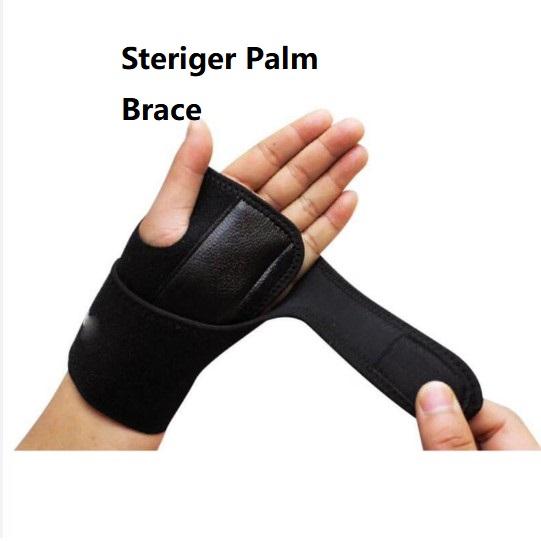
Palm Brace selection should begin with the activities the user performs each day. Office work, manual tasks, fitness training, racket sports, cycling, and other activities can place different demands on the hand. A suitable product should provide a practical balance between stability, flexibility, comfort, and freedom of movement. Buyers should therefore consider the intended application before comparing specific designs, materials, or adjustment systems.
Start With The Intended Activity
The first step is identifying how the product will be used.
Daily work can involve typing, gripping tools, carrying objects, assembling components, driving, or performing repetitive movements. Sports can create additional demands through gripping, lifting, impact, rapid movement, or repeated hand use.
These situations do not necessarily require the same construction. A person spending several hours at a desk may value a lightweight design, while someone handling tools may need a more secure structure.
Defining the activity first gives buyers a practical basis for comparing different options.
Consider The Level Of Movement
Hand movement is important when choosing protective equipment. Some activities require considerable finger and thumb mobility, while others involve stronger gripping or repeated pressure.
A suitable design should not create unnecessary interference with ordinary movements. Buyers can test simple actions such as opening the hand, gripping an object, typing, lifting a light item, or holding sports equipment.
For athletic applications, it can also be useful to perform basic sport-specific movements before making a final decision. This helps reveal whether the product stays in place during activity.
Check The Fit
Fit can influence both comfort and stability. A loose design may move during repeated activity, while excessive tightness can become uncomfortable during longer periods.
Buyers should follow the manufacturer's sizing method and measure the relevant part of the hand carefully. When adjustable fastening is available, users can also consider how much adjustment is possible.
A practical fit should feel secure without creating unnecessary pressure. Buyers should pay attention to areas where straps, seams, or edges contact the skin.
Compare Materials
Materials affect how the product feels during daily use. Different fabrics can offer different levels of stretch, ventilation, softness, compression, and durability.
For extended work sessions, breathable construction can be useful. During sports, moisture and perspiration may become more noticeable, making fabric selection particularly relevant.
Buyers should also think about the surrounding environment. Outdoor work, indoor offices, gyms, workshops, and warm climates may create different comfort requirements.
A sample is often useful because material descriptions alone cannot fully communicate texture and flexibility.
Examine The Fastening System
The fastening method can influence how quickly a user can put the product on, adjust it, and remove it.
A simple pull-on design may suit people who need quick application. Adjustable straps can provide greater control when users want to modify the fit during different activities.
For work environments, ease of adjustment can be especially useful when users move between different tasks. For sports, secure fastening can help reduce unwanted movement during active sessions.
The important point is matching the closure system with the actual routine of the user.
Think About Finger And Thumb Access
Dexterity should not be overlooked. Many daily activities require users to hold objects, operate tools, type, use mobile devices, or control sports equipment.
A design that unnecessarily covers areas needed for these actions may become inconvenient. Buyers should therefore consider whether the fingers and thumb can move naturally.
Sports involving rackets, weights, handlebars, or other equipment require particular attention to grip. The product should fit around the hand without making ordinary handling unnecessarily difficult.
Consider Wearing Duration
The amount of time a product will be worn can change the purchasing priorities.
For short training sessions, users may focus on movement and secure positioning. Someone wearing protective equipment throughout a work shift may place greater emphasis on breathability, softness, adjustment, and overall comfort.
Buyers should therefore avoid selecting products based only on a single activity. The complete wearing schedule can provide more useful information.
If the product is intended for extended use, a sample should ideally be tested during a realistic period rather than for only a few minutes.
Review Cleaning And Maintenance
Daily use naturally creates exposure to sweat, dust, skin oils, and other environmental factors. Cleaning requirements should therefore be considered before purchasing.
Buyers can check whether the material is easy to clean and whether straps, stitching, and other components require special care.
For sports users, regular cleaning may be particularly important. For workers, the surrounding environment may determine how frequently maintenance is needed.
Clear care instructions can make routine ownership easier and help buyers plan product use more effectively.
Compare The Product With The Project
Bulk buyers should also consider how the product fits their wider project. Retailers may need consistent sizing and packaging, while sports organizations may require coordinated quantities for different users.
Workplace purchasers may prioritize repeat availability, straightforward communication, and consistent production requirements.
For customized projects, buyers should prepare clear information about colors, branding, sizes, packaging, quantities, and intended applications before production begins.
This creates a shared reference and can reduce misunderstandings during later stages of an order.
A Practical Approach To Supplier Selection
A reliable purchasing process does not need to be complicated. Buyers can begin with the intended activity, establish fit requirements, compare materials, review construction, test movement, and confirm maintenance needs.
Samples can then be used to evaluate the product under realistic conditions. Feedback from actual users can also help identify small issues that may not be obvious from photographs.
steriger can be considered by buyers comparing products for workplace and athletic applications, with attention placed on the actual requirements of each project rather than broad claims.
Choosing suitable hand protection is largely about matching product characteristics with real activities. Daily work and sports can involve different levels of movement, gripping, pressure, duration, and environmental exposure.
Buyers should therefore compare fit, material, flexibility, fastening, finger access, comfort, maintenance, and intended application before confirming an order. A carefully prepared specification can also make communication easier when purchasing larger quantities.
For buyers reviewing product options for work, training, and everyday applications, the available selection from steriger can be viewed at https://www.steriger.com/product/

 English
 Arabic
 French
 Spanish
 Portuguese
 Turkish
 Dutch
Dutch
 Italiano
 Russian
 Romaian
 Portuguese (Brazil)
 Greek
Greek
