


Why Food-Grade Facilities Need a Specialized Maintenance Approach in Ohio
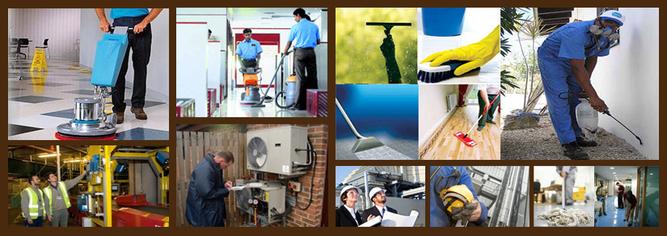
A food production or processing facility cannot be maintained like an ordinary commercial building. Cleanliness, repairs, surface condition, equipment upkeep, and daily operations are closely connected to food safety.
In Ohio, food establishments are subject to requirements covering the maintenance and operation of physical facilities. Ohio's food safety rules require physical facilities to be maintained in good repair and cleaned as often as necessary to keep them clean.
Food production and processing facilities require a specialized approach to cleanliness, repairs, and building upkeep. For businesses operating in the state, food-grade facility maintenance ohio can play an important role in keeping the facility clean, functional, and aligned with applicable requirements.
What Makes Food-Grade Facility Maintenance Different?
Food facilities have unique maintenance challenges because the building itself can become part of the food safety equation.
Floors may be exposed to moisture, ingredients, oils, and heavy traffic. Walls and ceilings need to remain in suitable condition. Production areas may require frequent cleaning. Equipment must remain functional and capable of being cleaned properly.
Ohio rules specify that surfaces in food preparation and similar areas should be smooth, durable, and easily cleanable, while areas exposed to moisture require nonabsorbent surfaces.
These requirements make preventive facility care especially important.
Cleanliness Has to Be Built Into Daily Operations
A food-grade facility cannot rely on occasional deep cleaning alone.
Production activity creates ongoing cleaning requirements. Employees move through different areas, materials are handled, equipment is used repeatedly, and spills can occur during normal operations.
Ohio regulations state that physical facilities should be cleaned as often as necessary to keep them clean. They also specify that, except when responding to spills or accidents, cleaning should generally take place when the least amount of food is exposed.
This means cleaning schedules should be designed around the facility's actual workflow.
A schedule that looks reasonable on paper may not work if it ignores production hours, shift changes, sanitation windows, or high-traffic areas.
Floors Deserve Particular Attention
Floors are among the most heavily used surfaces in a food facility.
They can be exposed to water, food residue, grease, packaging materials, and constant foot traffic. Poor floor maintenance can make a facility harder to keep clean and may contribute to operational problems.
Ohio's rules require dustless cleaning methods for facility floors in most circumstances, with specific exceptions for spills and similar situations.
That makes the cleaning method just as important as the cleaning frequency.
Facility managers should also watch for cracks, damaged surfaces, worn areas, or conditions that make proper cleaning difficult. Maintenance problems should be addressed rather than allowed to become permanent features of the facility.
Equipment Maintenance Is Part of Facility Care
Facility maintenance and equipment maintenance often overlap in food environments.
Equipment needs to remain in good repair and proper adjustment. Ohio rules specifically address the condition of equipment components and require equipment to be maintained in accordance with applicable requirements.
Food-contact surfaces also need to remain suitable for cleaning and sanitation. Ohio requirements include characteristics such as smooth surfaces, accessible areas for cleaning, and the absence of cracks, pits, or similar imperfections.
For facility teams, this reinforces an important principle: a maintenance issue should not be viewed separately from sanitation when it affects the condition or cleanability of a food-handling area.
Why Preventive Maintenance Makes Sense
Reactive maintenance waits for something to fail.
Preventive maintenance looks for problems before they become disruptive.
In a food-grade environment, that difference can be significant.
A damaged floor, deteriorating wall surface, leaking fixture, or poorly maintained area may become harder to manage if the issue is ignored. Regular inspections allow facility teams to identify conditions that could interfere with cleaning or normal operations.
Preventive maintenance can include routine checks of:
-
Floors and floor drains
-
Walls and ceilings
-
Doors and seals
-
Production-area surfaces
-
Storage spaces
-
Restrooms and employee areas
-
Waste-handling areas
-
Equipment surroundings
-
High-moisture areas
The exact checklist should reflect the facility and its operations.
Specialized Cleaning Should Be Part of the Plan
Routine cleaning handles everyday needs, but some areas require deeper attention.
High-traffic spaces, floors, windows, production-support areas, and other parts of a large facility may need specialized services at planned intervals.
For example, commercial floor and carpet reconditioning can be useful where flooring requires more intensive care than routine cleaning provides. The service and method should always be appropriate for the specific environment and surface.
Likewise, emergency cleaning can become important when an unexpected spill, water issue, or other event affects an operating facility.
The key is to have these needs considered before an emergency occurs.
Maintenance Should Not Interfere With Food Operations
Timing matters in food-grade facilities.
Cleaning and maintenance activities need to be coordinated with production schedules so that unnecessary exposure or disruption is avoided.
This can require close communication between facility managers, production teams, sanitation staff, and external service providers.
Before scheduling work, teams should understand:
-
When food production is taking place
-
When areas are available for cleaning
-
Which areas have restricted access
-
What equipment needs protection
-
How the work will affect employees
-
When the area can safely return to normal use
A well-coordinated schedule can reduce interruptions while still giving maintenance teams enough time to perform their work properly.
Chemical Management Requires Care
Cleaning products and chemicals have to be handled carefully in food environments.
Ohio's rules address the storage and use of poisonous or toxic materials, including requirements intended to prevent contamination of food, equipment, utensils, and other items. They also require applicable cleaning agents and sanitizers to be available for use during operating hours.
Facility managers should therefore ensure that cleaning materials are properly controlled and used according to applicable requirements and manufacturer directions.
This is another reason trained personnel matter. A facility may have excellent cleaning equipment, but the process still depends on proper procedures.
Ventilation and Moisture Should Not Be Ignored
Food facilities often generate heat, steam, condensation, odors, and other environmental conditions that ordinary offices may not experience.
Ohio requirements address mechanical ventilation where it is necessary to keep rooms free from excessive heat, steam, condensation, vapors, odors, smoke, and fumes.
Moisture management is particularly important because consistently damp conditions can create additional facility challenges.
Facility teams should pay attention to areas where condensation repeatedly appears or where moisture seems difficult to control. Recurring problems may indicate that the underlying ventilation, drainage, plumbing, or building condition needs attention.
Inspections Should Guide Maintenance Priorities
Not every maintenance issue deserves the same level of urgency.
Facility managers can use inspections to categorize problems based on their potential impact.
For example, an issue affecting a food-handling area may require faster attention than a cosmetic concern in an administrative office.
A useful inspection process can identify:
-
What is wrong?
-
Where is the problem located?
-
Does it affect cleanability?
-
Could it interfere with food operations?
-
Does it require immediate attention?
-
Can it be handled during scheduled maintenance?
-
Does the issue indicate a larger recurring problem?
This approach helps maintenance teams focus their resources where they matter most.
Documentation Helps Create Accountability
Good documentation gives facility managers a record of what has been inspected, cleaned, repaired, or identified for follow-up.
Records can help teams track recurring issues and determine whether corrective actions have actually solved them.
Documentation can also make communication easier when several departments or service providers are involved.
A simple maintenance record might include the date, area, issue, action taken, person responsible, and any required follow-up.
The goal is not to create paperwork for its own sake. It is to make facility management more organized and easier to review.
Choosing a Facility Services Partner
Food-grade facilities should be selective when choosing an outside service provider.
The provider should understand that working in a food environment requires more awareness than servicing a standard office.
Ask potential providers about their experience with commercial facilities, staff training, scheduling flexibility, quality-control processes, and ability to work around operating requirements.
It is also useful to establish exactly which services are included and which situations require additional arrangements.
A clear scope prevents misunderstandings and helps facility managers plan their maintenance budgets more effectively.
Build a Maintenance Strategy Around the Facility
There is no universal maintenance schedule for every food-grade facility.
The right approach depends on the building's size, production activities, equipment, occupancy, traffic, materials, and operating hours.
Instead of copying another facility's schedule, managers should build their plan around actual conditions.
Review the plan periodically. If a particular area repeatedly develops the same problem, investigate why. If production changes, update the maintenance schedule. If a surface becomes difficult to clean, determine whether repair or replacement is appropriate.
A maintenance strategy should evolve with the facility.
Final Thoughts
Food-grade facility maintenance is about much more than appearance. It supports cleanliness, operational continuity, equipment care, and the condition of the physical environment.
In Ohio, food safety requirements place specific expectations on the maintenance and cleanliness of facilities, including the condition of surfaces, equipment, and physical areas.
For facility managers, the practical lesson is straightforward: maintenance should be proactive, documented, and closely connected to the way the facility operates.
A combination of routine cleaning, specialized maintenance, inspections, and timely repairs can help food businesses maintain their facilities more consistently. About CFS can support businesses that need a structured approach to maintaining demanding commercial environments.
The strongest facility strategy is one that prevents avoidable problems rather than constantly reacting to them. In a food-grade environment, that approach can make day-to-day operations more predictable while helping the facility remain ready for the work it needs to perform.

 English
 French
 Spanish
 Portuguese
 Deutsch
 Turkish
 Dutch
Dutch
 Italiano
 Russian
 Romaian
 Portuguese (Brazil)
 Greek
Greek
