


How to Reduce Fatty Liver Naturally? : Diet, Exercise and Lifestyle Changes
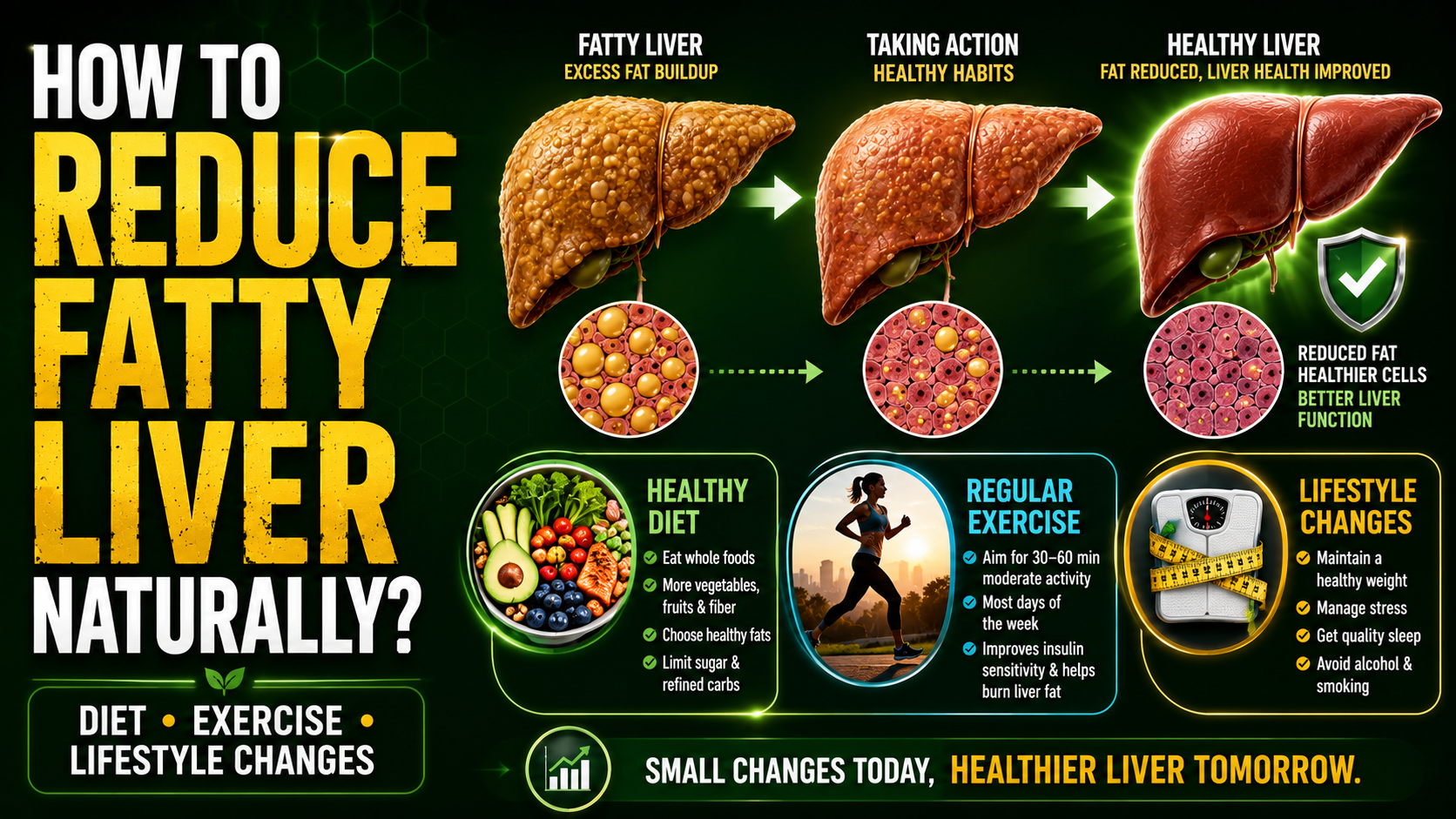
Fatty liver can often be improved by addressing the factors that cause excess fat to accumulate in the liver. For many people, gradual weight management, regular physical activity, a balanced diet, and proper control of conditions such as diabetes and high cholesterol can make an important difference.
For people looking for ways to improve liver health naturally, the focus should not be on quick "detox" solutions. Sustainable lifestyle changes are more useful for reducing liver fat and lowering the risk of inflammation and fibrosis.
Can Fatty Liver Be Reduced Naturally?
Yes, fatty liver can improve in many people through appropriate lifestyle changes.
The exact approach depends on the cause and severity of the condition. Fatty liver associated with metabolic dysfunction is commonly linked with excess body weight, insulin resistance, type 2 diabetes, abnormal cholesterol, and other metabolic factors.
Improving these underlying factors can help reduce liver fat.
However, "natural treatment" does not mean ignoring medical evaluation. Someone with fatty liver should understand whether there is also inflammation or fibrosis.
How Does Weight Loss Help Reduce Fatty Liver?
For people who are overweight or have obesity, gradual weight loss can significantly improve fatty liver.
Reducing excess body weight can:
-
Decrease liver fat
-
Improve insulin sensitivity
-
Improve metabolic health
-
Reduce liver inflammation
-
Potentially improve fibrosis in appropriate patients
The amount of improvement varies from person to person.
The objective should be sustainable weight management rather than rapid weight loss.
Crash diets and extreme calorie restriction are not appropriate solutions for fatty liver.
How Much Weight Should You Lose for Fatty Liver?
There is no single target that applies to everyone.
NIDDK notes that losing 3% to 5% of body weight can reduce liver fat, while greater weight loss may be needed to improve inflammation and fibrosis.
The important point is that even modest, sustained weight loss can be useful.
People should set realistic targets based on their current weight, health status, medications, and medical advice.
What Should You Eat to Reduce Fatty Liver?
There is no single "fatty liver diet."
Instead, focus on a balanced dietary pattern that supports healthy weight and metabolic function.
Include more:
-
Vegetables
-
Fruits
-
Whole grains
-
Legumes
-
Nuts and seeds
-
Appropriate sources of protein
-
Unsaturated fats
At the same time, reduce excessive intake of:
-
Sugary drinks
-
Added sugars
-
Highly processed foods
-
Foods high in saturated fat
-
Excess calories
NIDDK recommends limiting foods and drinks containing large amounts of simple sugars, particularly fructose, and choosing healthier sources of carbohydrates and fats.
Which Foods Should You Limit With Fatty Liver?
You do not necessarily need to completely eliminate every food you enjoy.
The bigger issue is your overall dietary pattern.
Limit:
-
Sugary soft drinks
-
Sweetened packaged beverages
-
Excess sweets and desserts
-
Highly processed snacks
-
Deep-fried foods
-
Excess saturated fat
-
Large portions of calorie-dense foods
Reducing sugary drinks is particularly practical because they can add substantial calories without creating much fullness.
Can Exercise Reduce Fatty Liver?
Yes.
Regular exercise can help reduce liver fat and improve metabolic health.
It can also improve:
-
Insulin sensitivity
-
Cardiovascular fitness
-
Body composition
-
Weight management
Importantly, exercise may benefit the liver even when substantial weight loss does not occur.
Suitable activities can include:
-
Brisk walking
-
Cycling
-
Swimming
-
Jogging
-
Strength training
-
Other aerobic activities
The best exercise is one that can be performed consistently.
How Much Exercise Is Useful for Fatty Liver?
There is no requirement to start with intense workouts.
A practical approach is to gradually increase physical activity according to your current fitness and medical condition.
Combining aerobic activity with resistance training can provide broader metabolic benefits.
If you have not exercised regularly, starting gradually is more sensible than immediately attempting an intense workout program.
Consistency matters more than trying to achieve extreme exercise levels for a short period.
Can Walking Help Reduce Fatty Liver?
Yes.
Walking is an accessible form of physical activity that can help increase daily energy expenditure and support metabolic health.
A regular walking routine can be particularly useful for people who find high-impact exercise difficult.
You can gradually increase:
-
Walking duration
-
Frequency
-
Pace
-
Daily movement
Walking alone is not a guaranteed treatment for fatty liver, but it can be an important component of a broader lifestyle strategy.
Does Alcohol Make Fatty Liver Worse?
Alcohol can contribute to liver fat accumulation and liver injury.
The relationship between alcohol and liver disease depends on the amount consumed, individual risk factors, and the underlying type of liver disease.
People who already have liver disease should discuss alcohol consumption with their healthcare professional.
A healthy diet cannot completely offset ongoing alcohol-related liver injury.
Can Diabetes Make Fatty Liver Worse?
Yes.
Type 2 diabetes and insulin resistance are strongly associated with metabolic fatty liver disease.
Poorly controlled blood glucose can contribute to metabolic dysfunction and increase the risk of liver disease progression.
Managing blood glucose is therefore an important part of managing fatty liver.
Your doctor may consider medications, dietary changes, physical activity, and weight management depending on your individual condition.
Can High Cholesterol Affect Fatty Liver?
Abnormal cholesterol and triglyceride levels are commonly associated with metabolic fatty liver disease.
Managing these conditions can improve overall metabolic health and may be part of a comprehensive approach to fatty liver management.
Do not stop or change cholesterol medication without discussing it with your doctor.
Do Liver Detox Drinks Reduce Fatty Liver?
No proven detox drink can simply remove fat from the liver.
Juices, herbal drinks, and commercial liver cleanses are often marketed as quick solutions, but they should not replace evidence-based management.
Some supplements can even cause liver injury.
Instead of searching for a drink that "cleans" the liver, focus on:
-
Healthy eating
-
Physical activity
-
Weight management
-
Metabolic control
-
Appropriate medical follow-up
Can Supplements Reduce Fatty Liver?
You should be cautious.
A supplement being labelled "natural" does not automatically make it safe or effective.
Some herbal and dietary supplements can cause liver injury or interact with medications.
Do not take a liver supplement simply because it promises to detoxify or reverse fatty liver.
Discuss any supplement with a healthcare professional, particularly if you already have liver disease.
How Long Does It Take to Reduce Fatty Liver?
There is no universal timeline.
The speed of improvement depends on:
-
Starting level of liver fat
-
Weight changes
-
Diet
-
Physical activity
-
Diabetes control
-
Alcohol intake
-
Genetics
-
Other medical conditions
Some people may see improvements in metabolic markers and liver fat after making sustained lifestyle changes, while others require longer-term management.
Fatty liver improvement is a process, not a quick cleanse.
Can Fatty Liver Be Completely Reversed?
In many cases, liver fat can be reduced substantially when the underlying causes are addressed.
However, reversing liver fat is different from reversing advanced fibrosis or cirrhosis.
If significant scarring has developed, medical management becomes particularly important.
This is why people diagnosed with fatty liver should not focus only on whether the liver looks fatty on an ultrasound. The degree of fibrosis can be more important for determining long-term risk.
How Do Doctors Check Fatty Liver Severity?
Doctors may use several approaches.
Blood Tests
Liver enzymes and other blood tests can help evaluate liver health.
Doctors may also check:
-
Blood glucose
-
HbA1c
-
Cholesterol
-
Triglycerides
-
Other relevant markers
Ultrasound
Ultrasound can detect fat accumulation in the liver.
However, it cannot reliably determine the extent of fibrosis.
Fibrosis Assessment
Doctors may use blood-based fibrosis scores or elastography to assess the likelihood of significant liver scarring.
Additional Testing
In selected cases, more advanced imaging or liver biopsy may be considered.
The appropriate evaluation depends on the individual's risk factors and test results.
What Lifestyle Habits Can Protect the Liver?
A sustainable routine can include:
-
Eating mostly minimally processed foods
-
Exercising regularly
-
Maintaining a healthy weight
-
Getting adequate sleep
-
Managing diabetes
-
Controlling cholesterol
-
Avoiding excessive alcohol
-
Avoiding unnecessary supplements
-
Following medical recommendations
You do not need an extreme lifestyle transformation. You need changes that you can maintain.
When Should You See a Doctor About Fatty Liver?
Medical evaluation is particularly important if:
-
Fatty liver was found on an ultrasound
-
Liver enzymes are abnormal
-
You have type 2 diabetes
-
You have obesity or metabolic risk factors
-
You have persistent fatigue
-
You have recurring upper-right abdominal discomfort
-
You develop jaundice
-
You develop abdominal or leg swelling
Some people with fatty liver have no symptoms, so waiting for pain or other warning signs is not a reliable strategy.
What Are the Warning Signs of Advanced Liver Disease?
Seek medical attention if you develop:
-
Yellowing of the skin or eyes
-
Abdominal swelling
-
Leg or ankle swelling
-
Easy bruising or bleeding
-
Persistent severe itching
-
Dark urine
-
Unexplained weight loss
-
Confusion or unusual drowsiness
Vomiting blood, black stools, severe confusion, or rapidly worsening symptoms require urgent medical attention.
These symptoms can indicate advanced liver disease or another serious medical problem.
Conclusion
Reducing fatty liver naturally is mainly about addressing the factors that cause liver fat to accumulate. Gradual weight management, regular exercise, a balanced diet, and proper control of diabetes, cholesterol, and other metabolic conditions can help improve liver health.
There is no reliable shortcut through detox drinks, crash diets, or unproven supplements. Sustainable lifestyle changes are more useful than temporary cleanses. It is also important to remember that reducing liver fat does not automatically mean that existing fibrosis or cirrhosis has been reversed.
If fatty liver has been diagnosed, appropriate medical evaluation can help determine whether there is inflammation or fibrosis and whether additional treatment or monitoring is needed. Patients seeking specialist evaluation and minimally invasive treatment options in Jaipur can consult an experienced interventional radiologist Jaipur for appropriate medical guidance.
Frequently Asked Questions
Can fatty liver be reduced naturally?
Yes. Fatty liver can improve in many people through gradual weight management, regular physical activity, a balanced diet, and management of associated metabolic conditions.
What is the best diet for reducing fatty liver?
There is no single best food or diet for everyone. A balanced eating pattern emphasizing vegetables, fruits, whole grains, legumes, appropriate protein, and healthier fats while limiting excess sugar and highly processed foods can support liver health.
Can walking reduce fatty liver?
Walking can support weight management, improve metabolic health, and contribute to reducing liver fat. Regularity is more important than occasional intense activity.
How long does it take to reduce fatty liver?
There is no fixed timeline. Improvement depends on the amount of liver fat, weight changes, diet, exercise, metabolic health, alcohol intake, and other individual factors.
Can fatty liver be reversed completely?
Liver fat can improve substantially in many people when the underlying causes are addressed. However, advanced fibrosis or cirrhosis is more serious and may not be completely reversible, making proper medical assessment important.

 English
 Arabic
 French
 Spanish
 Portuguese
 Deutsch
 Turkish
 Dutch
Dutch
 Russian
 Romaian
 Portuguese (Brazil)
 Greek
Greek
