


Yoga for Digital Burnout: Best Home Practice Guide 2026
What Is the Best Way to Practice Yoga for Digital Burnout at Home?
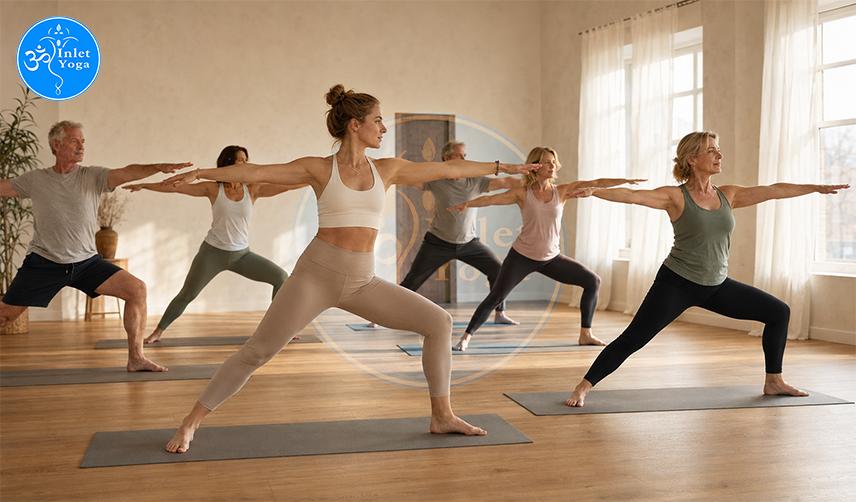
The best way to practice yoga for digital burnout at home is to keep the routine simple, consistent, and focused on the effects of prolonged screen use. A 10–20 minute session can combine gentle stretches, spinal movement, shoulder and neck exercises, breathing, and relaxation. The goal is not an intense workout but a practical break that helps you move away from prolonged sitting, screen exposure, and constant mental stimulation.
When Your Workday Ends but Your Mind Is Still Online
If you spend most of your day switching between emails, meetings, messages, and browser tabs, you probably know the feeling. You close your laptop, but your mind still feels like it is working.
Your shoulders may feel tight. Your back may feel stiff. And even when you finally have free time, reaching for your phone can feel almost automatic.
So, what can you actually do about it?
A short home yoga practice can be a useful place to start. You do not need an hour-long class, advanced poses, or a perfect routine. What matters most is creating a regular period when your body moves and your attention gets a break from your devices.
What Is Yoga for Digital Burnout?
Yoga for digital burnout refers to using yoga-based movement, breathing, and relaxation to address some of the physical and mental strain associated with heavy digital use.
It is not a separate yoga style. Instead, it is a practical way to structure your yoga practice around the challenges of a screen-heavy lifestyle.
A suitable routine may focus on:
-
Neck and shoulder tension
-
Stiffness from prolonged sitting
-
Upper-back and chest movement
-
Gentle spinal mobility
-
Comfortable breathing
-
Mental decompression
-
Time away from screens
The aim is simple: help your body move after being still and give your attention a break from constant digital input.
Why Does Digital Burnout Feel Physical?
Digital burnout is often discussed as a mental or emotional problem, but your daily screen habits can also affect how you use your body.
Hours at a desk can mean holding similar positions for extended periods. Looking down or remaining focused on a screen can also make the neck and upper body feel tense.
At the same time, constant notifications and digital communication can make it difficult to create a clear boundary between work and personal time.
This is why your recovery routine should not only tell you to “relax.” It should allow you to move, breathe, and step away.
What Is the Best Way to Practice Yoga for Digital Burnout at Home?
The best approach is to build a short routine around what your body actually needs.9
Rather than trying to complete a difficult sequence, begin with gentle movements and gradually learn which practices feel useful for you.
1. Start by Leaving the Screen
Before you begin, close your laptop and put your phone somewhere out of reach.
This sounds simple, but it changes the purpose of the practice. If you are checking messages between poses, your body may be moving while your attention remains at work.
Give yourself a defined period with no notifications.
2. Begin With Gentle Mobility
Start with movements that bring attention to areas affected by sitting.
Gentle neck movements, shoulder rolls, cat-cow, seated twists, and comfortable spinal movements can help you move through positions that differ from your usual desk posture.
For yoga for screen fatigue, the focus should be on controlled movement rather than forcing a deep stretch.
3. Give Your Breathing Some Attention
Once your body starts moving, slow your pace.
Take comfortable breaths and notice whether you are holding tension in your shoulders, jaw, or stomach. You do not need a complicated breathing technique to make this part useful.
The purpose is to shift your attention from whatever happened on your screen to what is happening in your body now.
4. Include a Short Rest Period
Do not feel that every minute needs to involve movement.
Finish with a comfortable resting position or a few minutes of calm breathing. This gives your practice a clear ending and makes it easier to avoid immediately returning to emails or social media.
A Simple 15-Minute Routine
You can use this structure as a starting point:
|
Time |
Practice |
Main Focus |
|
2 minutes |
Comfortable breathing |
Step away mentally |
|
3 minutes |
Neck and shoulder mobility |
Release desk-related tension |
|
3 minutes |
Cat-cow and spinal movement |
Move after sitting |
|
3 minutes |
Chest and hip opening |
Counter prolonged sitting |
|
2 minutes |
Gentle forward movement |
Slow your pace |
|
2 minutes |
Rest and breathing |
Finish away from screens |
There is no requirement to follow this exact sequence. Your routine should remain comfortable and appropriate for your own experience.
How Often Should You Practice?
You do not have to practice for an hour every day.
A short session that you can repeat consistently may be more realistic than an ambitious routine that becomes another obligation.
Try starting with 10–15 minutes. You could practice after finishing work, between long periods of screen use, or as part of your evening routine.
The important part is creating a repeatable habit.
Can Yoga Replace Healthy Screen Breaks?
No. Yoga should support healthy work habits, not replace them.
If your day involves extended computer use, you should still make room for regular movement, changes in position, appropriate breaks, and a comfortable work setup.
Think of yoga as one tool within a broader approach to managing a screen-heavy lifestyle.
When Can a Yoga Teacher Help?
Home practice is convenient, but professional guidance can be valuable when you are unsure about alignment, modifications, breathing, or how to structure your practice.
A qualified teacher can help you understand the purpose behind different movements and adapt practices to your experience and needs.
This can be particularly helpful if you are new to yoga or returning after a long break.
Make Your Practice Easy to Repeat
The best routine is not necessarily the longest one. It is the one you can realistically keep doing.
Try connecting your practice with an existing habit, such as shutting down your laptop at the end of the workday.
Keep your mat ready. Start with a manageable amount of time. Put your phone aside. Choose movements that feel appropriate rather than trying to copy an advanced sequence.
Small decisions like these can make your home practice easier to maintain.
Final Thoughts
Digital life is not going away, so the goal is not to avoid screens completely. The goal is to create healthier moments of separation.
Yoga for digital burnout can provide a simple structure for doing that. Step away from the screen, move your body, slow your breathing, and give yourself a few minutes without another notification demanding your attention.
You do not need a complicated routine to begin. Start with a few comfortable movements and build from there.
Author Bio
A yoga content specialist focused on practical, accessible guidance for modern wellness needs. Her writing combines yoga knowledge with clear, reader-friendly advice to help people build healthier daily practices.
FAQs
1. What is yoga for digital burnout?
Yoga for digital burnout uses gentle movement, breathing, and relaxation to help manage the physical and mental strain linked to prolonged screen use.
2. Can yoga help with digital burnout?
Yes. A suitable yoga routine can provide movement after long periods of sitting while creating time away from screens and digital distractions.
3. How long should a home yoga session for digital burnout be?
A 10–20 minute routine can be a practical starting point. Consistency is generally more important than having a long session.
4. What yoga poses are useful for screen fatigue?
Gentle neck movements, shoulder rolls, cat-cow, spinal movements, chest openers, and comfortable forward folds can fit well into a screen-fatigue routine.
5. When is the best time to practice yoga for digital burnout?
You can practice after work, between long periods of screen use, or in the evening when you want to create a clearer boundary between work and personal time.
6. Can yoga for screen fatigue be practiced at home?
Yes. A home routine can be simple and require little space or equipment, making it practical for remote workers and people with screen-heavy schedules.

 English
 Arabic
 French
 Spanish
 Portuguese
 Deutsch
 Turkish
 Italiano
 Russian
 Romaian
 Portuguese (Brazil)
 Greek
Greek
