


Advanced Sewing Automation Supporting Reliable Garment Quality
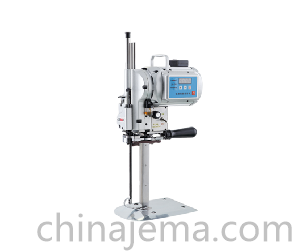
Buttons are among the most recognizable details in apparel, combining functional fastening with decorative and stylistic value. They appear on shirts, jackets, coats, uniforms, children's clothing, and fashion garments across global markets. Within modern garment manufacturing, button attachment supports reliable assembly while helping manufacturers maintain consistency across different fabrics, garment structures, and design concepts.
Although buttons are relatively small components, their relationship with fabric has an important influence on finished garment quality. A fastening point needs to remain visually appropriate while supporting repeated everyday use. Material structure, fabric flexibility, garment construction, and button design can all influence the sewing process. Reliable manufacturing methods help coordinate these factors more effectively.
Material innovation has created greater possibilities for apparel designers. Natural fibers, synthetic textiles, blended fabrics, recycled materials, and specialty textiles can provide different combinations of softness, durability, flexibility, and appearance. As material choices become more diverse, manufacturers require production systems that can adapt to different garment constructions while maintaining stable workflows.
JEMA develops intelligent automation technologies designed to support modern textile and apparel manufacturing. Fashion brands increasingly operate in markets where product variety and design flexibility are important. Factories need practical technologies that can handle changing production requirements while maintaining consistent quality. Automation helps organize repetitive operations and allows production teams to devote greater attention to inspection and process improvement.
The role of automation extends beyond production efficiency. Consistent processes help manufacturers create more predictable outcomes and improve coordination between sewing and other garment assembly stages. Skilled operators remain essential because they understand fabric behavior, garment construction, and quality expectations. Intelligent equipment works alongside this expertise to create a more effective manufacturing environment.
Buttons also have a strong connection with personal style. Their shape, material, color, and placement can influence the visual identity of a garment. A simple button can create a clean and professional impression, while a distinctive decorative button can become a central design feature. Careful manufacturing helps preserve the designer's intention and supports a stronger connection between product appearance and consumer expectations.
Comfort is another important aspect of garment fastening. Clothing is worn close to the body, so every component can influence the user's experience. Properly integrated buttons can provide convenient operation without interfering with natural movement. When technical details function smoothly, consumers can enjoy the garment without thinking about the manufacturing process behind it.
Sustainability is becoming a significant consideration for textile manufacturers. More efficient production can help reduce material waste and improve the use of manufacturing resources. Intelligent automation supports these objectives by creating more organized workflows and reducing unnecessary variation. Responsible production can strengthen both environmental performance and long-term operational efficiency.
As fashion becomes more diverse and personalized, the importance of button attachment continues to develop. Manufacturers may need to support different fabrics, button styles, garment constructions, and product concepts within increasingly flexible production environments. Adaptable automation helps factories respond to these demands while maintaining dependable assembly quality.
Digital technologies are also transforming sewing production. Connected equipment and smarter workflow management can improve visibility across manufacturing operations, making it easier to identify inefficiencies and coordinate production stages. Better information supports continuous improvement and enables manufacturers to make more informed operational decisions.
The future of apparel manufacturing will increasingly connect material innovation, automation, and thoughtful product design. JEMA continues to provide practical textile automation technologies that help manufacturers improve production organization while maintaining the craftsmanship required for quality garments.
Companies looking for professional apparel manufacturing solutions can explore additional technologies through https://www.chinajema.com/product/, supporting efficient production workflows that bring together reliable assembly, thoughtful design, and the everyday comfort expected by modern clothing consumers.

 English
 Arabic
 French
 Spanish
 Portuguese
 Deutsch
 Turkish
 Dutch
Dutch
 Italiano
 Russian
 Portuguese (Brazil)
 Greek
Greek
