


How a Construction Heater Holds a Cold Pour Together
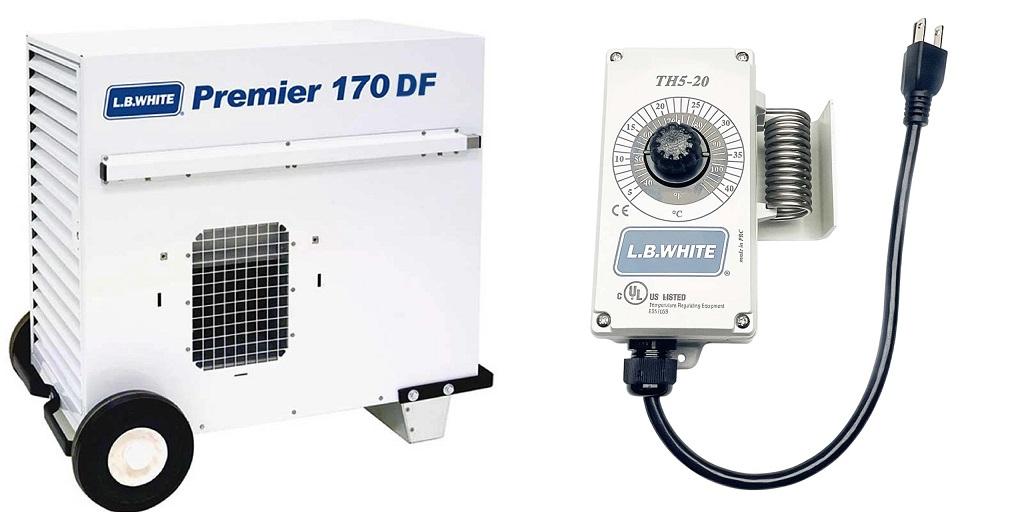
Concrete doesn't stop being concrete in cold weather, but it does stop curing. Below 40°F, hydration slows enough to stall strength gain significantly; below 32°F, water in fresh concrete can freeze before initial set even occurs. Contractors working through winter know this, and most have seen what happens when a protection plan falls short. What separates a cold-weather pour that meets spec from one that has to come out is heat, specifically the right construction heater setup holding temps inside an enclosure consistently for the full protection period.
Why Your Construction Heater Carries More Weight Than You'd Think on a Cold Pour
ACI 306 sets the minimum concrete temperature at 50°F during the protection period, typically three to seven days depending on mix design, cement type, and structural requirements. Some project specs push higher. Contractors can't place a portable construction heater near the slab edge and let ambient drift carry the rest. The heat has to stay inside the enclosure at a consistent level, which means the BTU output has to account for heat loss through tarps or insulated panels, the air volume inside the tent, and how sharply overnight temps drop on any given night.
BTU requirements shift with enclosure size, ambient temps, and how many lifts the pour schedule requires. Contractors on remote or phased sites tend to run propane when utility gas isn't available yet; those with existing supply on-site often favor natural gas once the project runs long enough that regular fuel delivery becomes a scheduling consideration. The BTU range in the catalog runs wide on both fuel types, and contractors typically work through those numbers with their engineer before equipment goes on order.
The Construction Heater Combustion Call That Can Make or Break an Enclosed Site
Combustion type becomes a real decision any time workers are spending significant time inside the heated enclosure. A direct fired heater pushes combustion byproducts into the space alongside the warm air. On an open-air site with adequate cross-ventilation, that works. Inside a tighter tent over a structural pour where your crew is actively finishing or inspecting the surface, CO concentration from a direct fired heater can reach levels that ventilation alone doesn't adequately handle.
An indirect fired heater keeps combustion separate, venting exhaust outside and delivering clean heated air into the enclosure. They cost more up front and are heavier to move. Natural gas construction heater models at the commercial heater scale tend to be indirect-fired designs specifically because larger commercial jobs often involve occupied or partially occupied site conditions where clean air inside the enclosure isn't negotiable.
For jobs with reliable power access and smaller enclosures, an electric construction heater removes the combustion question entirely. No exhaust, consistent output, no fuel logistics. The practical limits are BTU ceiling and site power availability, and on the right application, neither one is a real constraint.
Before the Pour: What Has to Be Right With Your Construction Heater
Before the concrete truck arrives and the job site heater fires up, a few things need to be confirmed. Contractors typically plan BTU output against overnight low temps, not daily averages, since that's when enclosure heat loss peaks. Fuel supply needs to be locked down for the full cure duration. A propane construction heater that runs dry on night two of a three-day protection period puts the pour at serious risk. And the equipment itself should be verified as rated for the application. Rental units get mismatched to jobs often enough that it's worth checking.
Contractors sourcing equipment for cold-weather concrete work can browse propane, natural gas, and electric construction heaters across a wide BTU range at NorthStock, with options from LB White, Heat Wagon, and Sure Flame covering portable construction heater needs through high-output commercial units built for large-scale site work.
For More Information About Oil Heater and Hvac Parts Supply Please Visit: NorthStock Inc.

 English
 Arabic
 French
 Spanish
 Portuguese
 Deutsch
 Turkish
 Dutch
Dutch
 Italiano
 Russian
 Romaian
 Greek
Greek
