


Choosing the Right Gate Valve for Demanding Process Applications
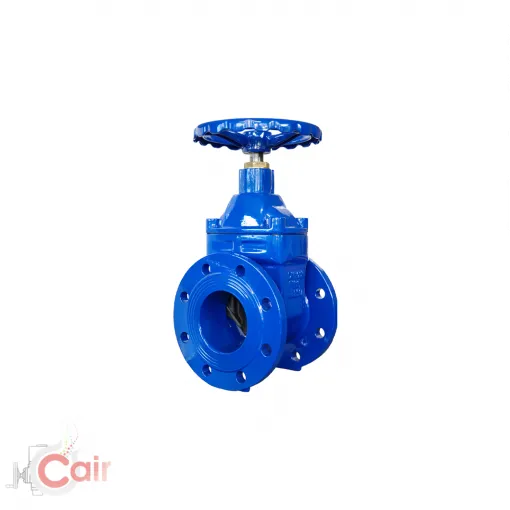
Industrial piping systems require dependable components to control and isolate the movement of liquids, gases, steam, and other process media. Among the various valve designs available, gate valves are widely used where reliable flow isolation is required. Their straightforward construction and full-flow capability make them suitable for many industrial environments.
For businesses sourcing industrial valves, selecting the right gate valve manufacturer is an important decision. However, product selection should be based on application requirements, material compatibility, pressure conditions, and expected operating performance rather than price alone.
Understanding Gate Valve Operation
A gate valve operates by moving a gate into or out of the flow passage. When the gate is fully raised, the passage is open and allows process media to flow through the pipeline. When the gate is lowered, it blocks the passage and isolates the line.
Gate valves are generally intended for fully open or fully closed operation. They are not normally preferred for continuous throttling because partially open operation can increase wear and affect flow performance.
Why Gate Valves Are Widely Used
Gate valves provide several practical advantages for industrial applications. When fully open, they can offer a relatively unobstructed flow path, helping reduce pressure loss across the valve.
Their robust construction also makes them suitable for demanding pipeline environments. Depending on the application, gate valves can be manufactured in different sizes, materials, pressure classes, and connection configurations.
These characteristics allow them to be adapted to various industrial requirements.
Important Selection Factors
Choosing a suitable gate valve requires careful consideration of operating conditions. Key factors include:
-
Pipeline diameter
-
Operating pressure
-
Temperature range
-
Process media
-
Valve body material
-
Seat material
-
Connection type
-
Stem configuration
-
Operating method
-
Installation environment
Correct sizing is particularly important. A valve that is too small may restrict the required flow, while an unsuitable pressure rating may affect system safety and reliability.
Material Compatibility
Valve materials should be selected according to the process media and environmental conditions. Stainless steel, carbon steel, cast iron, ductile iron, and other materials may be used for different industrial applications.
Corrosive environments may require materials with improved resistance to chemical attack. Similarly, high-temperature systems may require components capable of maintaining their mechanical and sealing properties under elevated temperatures.
Seats, seals, and other internal components should also be compatible with the process media.
Industrial Applications
Gate valves are used across numerous industries and infrastructure systems. Common applications include:
-
Water treatment
-
Power generation
-
Chemical processing
-
Oil and gas
-
Manufacturing
-
Irrigation
-
Utility pipelines
-
Industrial process systems
They are particularly useful where sections of a pipeline need to be isolated for inspection, maintenance, or equipment servicing.
Manual and Automated Operation
Many gate valves are manually operated using handwheels. This arrangement is suitable when the valve is easily accessible and does not need frequent operation.
For larger or automated systems, suitable actuators can be used to operate the valve remotely. Electric and other actuation technologies can allow integration with industrial control systems.
When automation is required, the actuator should be correctly matched to the valve's torque, travel, speed, and operating conditions.
Installation and Maintenance
Proper installation is essential for dependable valve performance. The pipeline should be correctly aligned, and connections should be securely installed according to the valve specifications.
Before commissioning, the system should be inspected for leakage and the valve should be operated to confirm smooth movement.
Regular maintenance should include checking the stem, seals, connections, body condition, and operating mechanism. Corrosion, leakage, or unusual operating resistance should be investigated promptly.
Companies such as Cair Euromatic Automation Pvt. Ltd. can support industrial requirements involving valve and automation solutions.
Supporting Long-Term Performance
A gate valve can provide reliable service when correctly selected and operated within its specified limits. Excessive pressure, unsuitable temperatures, incompatible process media, and improper operation can reduce service life.
Preventive inspection and proper maintenance can help identify developing problems before they cause unexpected downtime.
Businesses should also consider replacement-part availability and technical support when selecting a valve solution for long-term industrial use.
Conclusion
Gate valves remain an important part of modern industrial piping because they provide dependable flow isolation and a practical solution for many demanding applications. Their robust construction, full-flow capability, and availability in different configurations make them suitable for water, energy, manufacturing, chemical, and utility systems.
By evaluating pressure, temperature, process media, materials, pipeline size, connection type, and operating requirements, businesses can select the right gate valve for their applications. Proper installation, regular inspection, and preventive maintenance can further improve reliability and support efficient long-term pipeline performance.

 English
 Arabic
 French
 Spanish
 Portuguese
 Deutsch
 Turkish
 Dutch
Dutch
 Italiano
 Russian
 Portuguese (Brazil)
 Greek
Greek
