


BLS for Healthcare: Why CPR Certification BLS for Healthcare Providers Matters
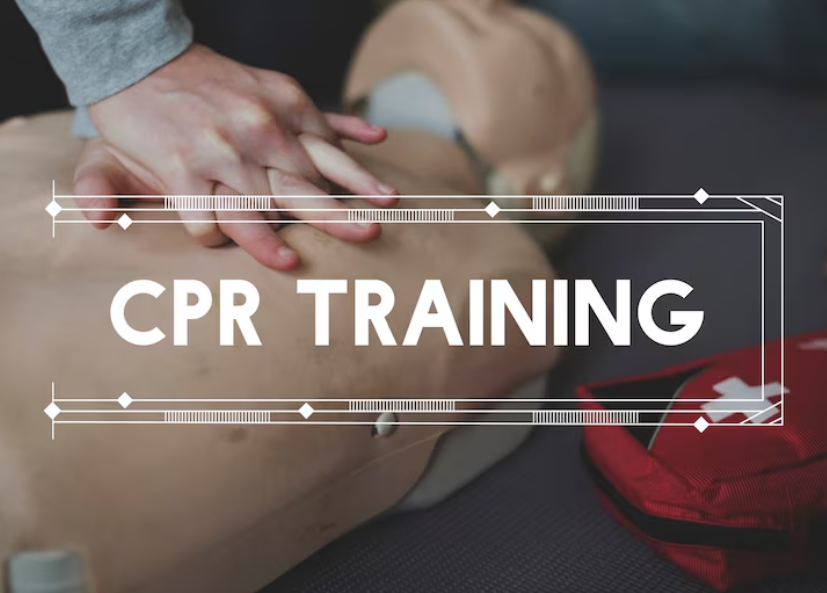
In healthcare settings, emergencies can happen without warning. A patient may experience cardiac arrest, respiratory distress, choking, or another life-threatening condition that requires immediate action. In these moments, healthcare professionals need more than general medical knowledge—they need practical skills they can use quickly and confidently. BLS for healthcare training helps professionals develop the essential abilities needed to respond effectively during critical situations.
Basic Life Support, commonly known as BLS, focuses on recognizing life-threatening emergencies and providing immediate care until advanced medical assistance becomes available. For doctors, nurses, emergency medical personnel, dental professionals, medical assistants, and other healthcare workers, having current training can be an important part of professional preparedness.
Understanding BLS for Healthcare
BLS for healthcare is designed specifically around the needs of people who work in medical and patient-care environments. Unlike basic first-aid education intended for the general public, healthcare-focused BLS training typically emphasizes professional response techniques, teamwork, high-quality CPR, and the use of emergency equipment.
One of the most important components of BLS is cardiopulmonary resuscitation, or CPR. When a person experiences cardiac arrest, immediate CPR can help maintain circulation while emergency services or advanced medical professionals are being mobilized. Healthcare providers may also need to respond to respiratory emergencies, airway obstructions, and other situations where rapid intervention is essential.
BLS education can help professionals understand how to assess a patient, recognize cardiac or respiratory emergencies, initiate appropriate interventions, and coordinate with other members of a response team.
The Importance of CPR Skills in Healthcare
CPR is one of the fundamental skills included in professional life-support training. A healthcare worker may encounter an emergency in a hospital room, clinic, dental office, ambulance, nursing facility, or other healthcare environment. Knowing what to do during the first few minutes can be critical.
Professional CPR training generally covers techniques such as chest compressions, rescue breathing when appropriate, and coordinated emergency response. Healthcare providers may also learn how to work with other responders so that care can continue efficiently.
Regular practice is particularly important because CPR requires both knowledge and physical technique. Training allows participants to practice proper hand placement, compression technique, rescue breathing procedures, and other response skills in a controlled environment.
CPR Certification BLS for Healthcare Providers
CPR certification BLS for healthcare providers is particularly valuable because healthcare professionals are often expected to maintain current life-support credentials as part of their professional responsibilities. Certification demonstrates that an individual has completed an appropriate training program and understands the essential principles covered by that program.
The exact certification requirements can vary depending on an individual's profession, employer, workplace, and professional organization. Some healthcare facilities require employees to maintain certification throughout their employment and renew it periodically.
Choosing appropriate CPR certification BLS for healthcare providers training means considering whether the course is designed for professional healthcare personnel and whether its curriculum matches the requirements of the individual's workplace or professional role.
Key Skills Covered in BLS Training
BLS training can cover several important areas of emergency response. One major area is recognizing cardiac arrest and beginning CPR promptly. Participants may also learn how to assess breathing and responsiveness and how to respond when a patient is not breathing normally.
Another important component is automated external defibrillator, or AED, awareness. AEDs are designed to analyze certain heart rhythms and provide an electrical shock when appropriate. Healthcare professionals should understand how to use these devices as part of an organized emergency response.
Airway management is another central topic. A blocked airway can quickly become life-threatening, so healthcare workers need to recognize airway emergencies and respond appropriately within their scope of practice.
Team dynamics can also be emphasized. In healthcare environments, resuscitation is rarely performed by one person alone. Effective communication, role assignment, leadership, and coordination can help make an emergency response more organized.
Why Regular Training Matters
Emergency skills can become less familiar when they are not practiced regularly. Even experienced healthcare professionals benefit from reviewing procedures and practicing essential techniques.
Regular BLS for healthcare education gives professionals an opportunity to refresh their knowledge and improve confidence. Hands-on practice can be especially useful because emergency response requires professionals to perform multiple tasks under pressure.
Training also provides an opportunity to learn about changes in recommended practices and emergency-response procedures. Healthcare professionals should always follow the current requirements of their workplace and the organization providing their certification.
Choosing the Right Training Program
When selecting a BLS course, healthcare professionals should first determine what their employer or professional organization requires. A course that is appropriate for one healthcare role may not meet the requirements of another.
It is also useful to consider whether the program includes hands-on practice, skills evaluation, and instruction appropriate for healthcare professionals. A quality training experience should provide opportunities to understand the concepts and practice applying them.
Participants should also verify the certification period and renewal requirements. Keeping certification current can help healthcare workers remain prepared and avoid problems related to expired credentials.
Building Confidence During Emergencies
One of the greatest benefits of professional life-support training is increased preparedness. During an emergency, hesitation can make it harder to provide timely assistance. Familiarity with emergency procedures can help healthcare workers respond more calmly and systematically.
CPR certification BLS for healthcare providers training can reinforce the importance of early recognition, rapid intervention, effective communication, and teamwork. These skills can become especially valuable when multiple healthcare professionals must work together to care for a critically ill patient.
Confidence does not replace clinical judgment, but proper training can provide a stronger foundation for making appropriate decisions during emergencies.
BLS as Part of Professional Preparedness
Healthcare professionals have many responsibilities, and emergency preparedness is an important part of patient care. Maintaining appropriate BLS certification helps professionals stay ready for situations that may occur unexpectedly.
Whether working directly with patients or supporting clinical operations, healthcare personnel may encounter circumstances requiring immediate assistance. Understanding CPR, AED use, airway emergencies, and team-based response can make a meaningful difference in how a crisis is managed.
Ultimately, BLS for healthcare is about preparing professionals to respond when patients need immediate assistance. At the same time, CPR certification BLS for healthcare providers provides a structured way for healthcare workers to develop and maintain essential emergency-response skills.
By choosing appropriate training, practicing regularly, and keeping certification current, healthcare professionals can strengthen their preparedness and contribute to a safer and more responsive care environment.

 English
 Arabic
 French
 Spanish
 Portuguese
 Deutsch
 Turkish
 Dutch
Dutch
 Italiano
 Romaian
 Portuguese (Brazil)
 Greek
Greek
