


How Can You Keep Construction Costs From Rising?
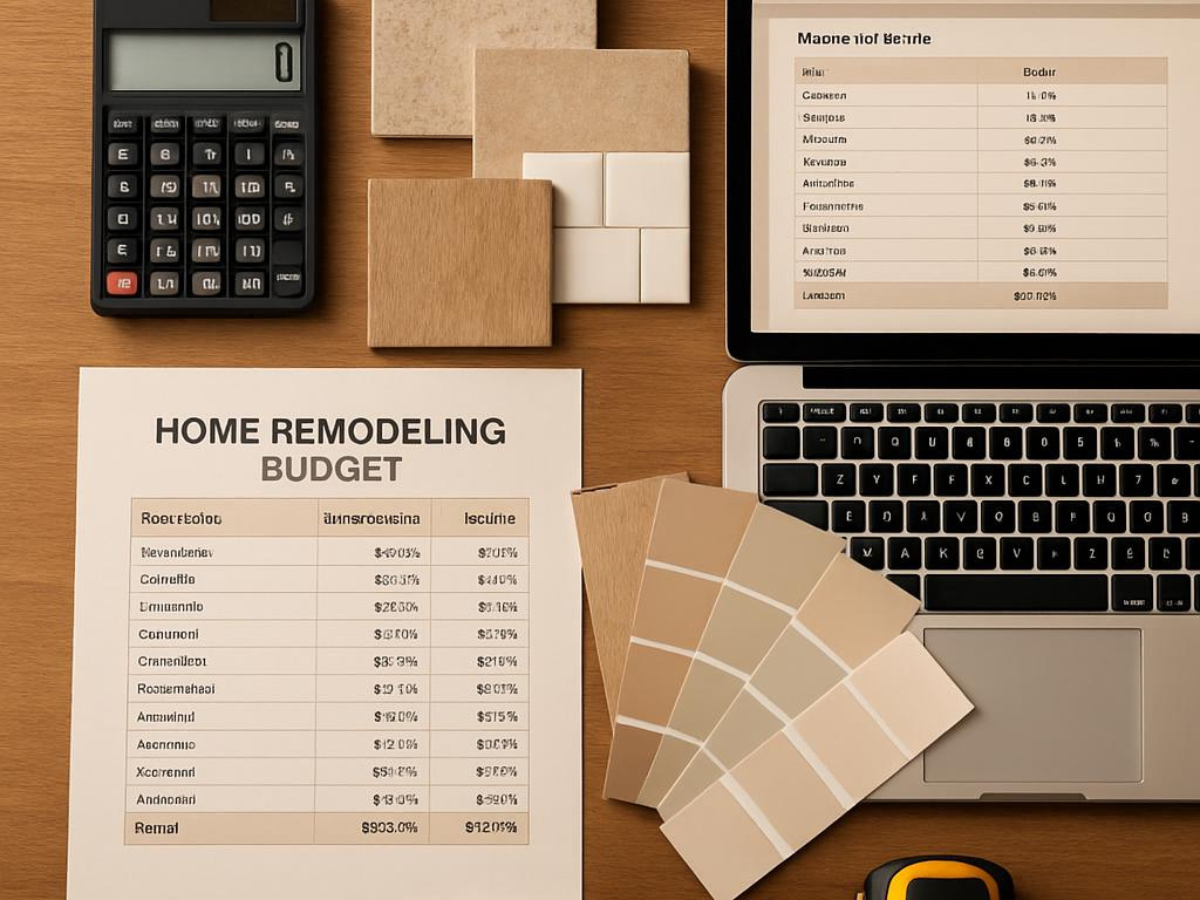
Construction projects can become expensive faster than many homeowners expect. A budget that looks reasonable at the start may change once material prices, labor, design changes, permits, repairs, and unexpected site problems enter the picture.
That does not mean every construction project will go over budget. Careful planning can help reduce many of the common reasons costs increase. The key is to make important decisions before work begins and leave some room for problems that cannot be predicted.
For homeowners looking into Construction Services in Pleasantville NJ, having a clear plan, realistic budget, and written understanding of the work can make it easier to keep expenses under control.
Why Do Construction Costs Increase?
Construction costs can rise for several reasons. Sometimes the problem starts with an unrealistic estimate. A homeowner may focus only on the visible work while forgetting about permits, preparation, delivery, waste removal, or finishing work.
Changes during construction can also increase the final price. Moving a wall, changing flooring, selecting a more expensive material, or adding a new feature may seem like a small adjustment. However, several small changes can add up quickly.
Another common issue is discovering problems after work has started. Old wiring, damaged plumbing, weak structures, moisture, or foundation problems may not be obvious during the first inspection.
Start With a Realistic Budget
The first step is to create a budget based on the actual project rather than a rough guess.
List the major costs, including:
- Labor
- Building materials
- Flooring
- Paint
- Siding
- Fixtures
- Equipment
- Permits
- Waste removal
- Delivery charges
- Cleanup
It is also wise to keep money aside for unexpected expenses. A construction budget with no room for surprises can become difficult to manage when something goes wrong.
A reserve does not mean you expect problems. It simply gives you some breathing room if an unavoidable expense appears.
Get Clear About the Scope of Work
A vague project description can lead to confusion and unexpected charges.
For example, saying that you want to “remodel the house” does not explain exactly what will be done. Does that include flooring? Painting? New cabinets? Electrical work? Plumbing? Removal of old materials?
The more clearly the work is described, the easier it is to compare estimates and understand what you are paying for.
Before construction begins, discuss what is included and what is not. Written details can help prevent disagreements later.
Avoid Making Too Many Changes
One of the easiest ways to increase construction costs is to keep changing the plan after work has started.
A design change may require materials that have already been ordered to be replaced. It may also require workers to redo completed work.
This does not mean you should never make a change. Sometimes a change is necessary because of a structural problem or another important issue.
But changes made simply because you changed your mind can put pressure on both the schedule and budget.
Casa Developer is one company homeowners in Pleasantville may consider when planning construction or remodeling work. Its services cover areas such as construction, flooring, siding, painting, and remodeling, which can be useful for property owners looking to coordinate several parts of a home project.
Compare Estimates Carefully
Getting more than one estimate can help you understand the likely cost of a project.
However, choosing the lowest number is not always the best approach. One estimate may leave out work that another contractor has included.
When comparing estimates, look at:
- Materials included
- Labor costs
- Project timeline
- Cleanup
- Removal of old materials
- Permits and fees
- Warranty terms
- Additional charges
Ask questions when something is unclear. A lower estimate may not actually be cheaper if important work is missing.
Choose Materials Before Work Begins
Material choices can have a major effect on construction costs.
For example, flooring can range from relatively affordable options to high-end materials. The same applies to siding, paint, fixtures, cabinets, countertops, and other products.
Choosing materials early can help you understand the real budget before construction gets too far along.
It also reduces the chance of making rushed decisions when workers are waiting for a product to be selected.
Do Not Ignore Small Repairs
Small problems can become expensive when they are ignored.
A small water leak, damaged siding, cracked surface, or moisture problem may not seem urgent during a larger construction project. But covering the problem without fixing the cause can create more work later.
If a contractor finds an issue during construction, ask what caused it, how serious it is, and what could happen if it is left alone.
Not every problem requires immediate repair, but understanding the risk can help you make a better decision.
Ask About the Construction Timeline
Time can also affect the total cost of a project.
When construction takes longer than expected, labor costs may increase. Delays can also create additional delivery, equipment, or temporary living expenses.
Ask for a realistic timeline before the project begins. Keep in mind that weather, material availability, inspections, and unexpected repairs can affect the schedule.
A good timeline should allow some flexibility instead of promising a date that leaves no room for normal delays.
Keep Communication Simple and Regular
Poor communication can lead to expensive mistakes.
If a contractor does not know that you changed your preferred material or want a particular section handled differently, work may need to be redone.
Choose one clear way to communicate project decisions. Keep important changes in writing so everyone has the same information.
Regular updates can also help you notice problems before they become larger.
Be Careful With Cheap Materials
Saving money on materials can be helpful, but the cheapest option is not always the most cost-effective.
A very inexpensive product may have a shorter lifespan or require more maintenance. Replacing it sooner can cost more than choosing a reasonably priced, durable option in the first place.
Ask about the expected lifespan, maintenance needs, and suitability of materials for your home.
The goal should not be to choose the most expensive product. It should be to choose a product that fits the project and budget.
Understand What Happens If Costs Change
Before construction starts, ask how additional work will be handled.
If an unexpected problem is found, you should know whether the contractor will explain the issue and provide a revised cost before doing extra work.
This gives you a chance to understand the situation and decide how to proceed.
Clear communication about additional costs can prevent unpleasant surprises when the final bill arrives.
Keep Track of Your Spending
It is easy to lose track of costs when a project has many separate purchases.
Keep records of deposits, materials, approved changes, contractor payments, and other expenses.
A simple spreadsheet or written list can help you see how much of the budget has already been used.
This also makes it easier to notice when spending is moving away from the original plan.
When Should You Spend More?
Sometimes spending a little more at the beginning can prevent larger costs later.
This may apply to areas such as structural repairs, moisture problems, electrical work, plumbing, or materials that are difficult to replace once construction is finished.
However, spending more should have a clear reason. Ask what you are getting for the additional cost and whether it is necessary.
Good budgeting is not about choosing the cheapest option every time. It is about spending money where it matters most.
Final Thoughts
Keeping construction costs under control starts before the first piece of material is installed. A realistic budget, clear project scope, careful material choices, and regular communication can help reduce many common problems.
Homeowners should also expect that some unexpected issues may appear. Having a reasonable reserve can make those situations easier to handle.
For anyone considering Construction Services in Pleasantville NJ, the best approach is to understand the work before it begins, compare estimates carefully, ask questions, and keep track of decisions throughout the project.
A well-planned construction project does not guarantee that every cost will stay exactly the same, but it can make unexpected expenses easier to manage.
FAQs
1. What is the main reason construction costs increase?
Common reasons include material price changes, labor costs, design changes, unexpected repairs, delays, and work that was not included in the original estimate.
2. How much extra money should I keep for unexpected costs?
There is no single amount that works for every project. The size and condition of the property should be considered when setting aside an emergency budget.
3. Should I always choose the lowest construction estimate?
No. Compare what each estimate includes. A cheaper estimate may leave out materials, cleanup, repairs, or other important work.
4. Can changing materials increase construction costs?
Yes. Changing materials after they have been ordered or installed can lead to replacement costs, extra labor, and project delays.
5. How can I prevent unexpected construction charges?
Have the scope of work clearly written, ask what is included, discuss how extra work will be approved, and keep important project decisions documented.

 English
 Arabic
 French
 Spanish
 Portuguese
 Deutsch
 Turkish
 Dutch
Dutch
 Russian
 Romaian
 Portuguese (Brazil)
 Greek
Greek
