


Port Wine Stain Treatment and Port Wine Stain Laser Treatment: A Complete Guide
Introduction
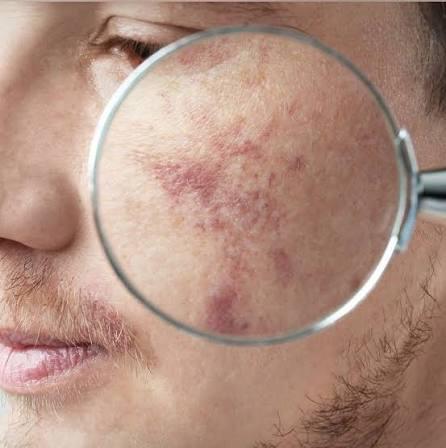
A port wine stain is a type of vascular birthmark that can be present from birth. It may initially look like a flat pink or red patch and can become darker, thicker, or more noticeable as a person grows. Port wine stains can occur on almost any area of the body but are commonly found on the face, neck, arms, and legs.
Although port wine stains are often harmless, their visible appearance can affect confidence and emotional well-being. Some lesions may also become thicker or develop a more textured surface over time. For these reasons, many people consider Port Wine Stain Laser Treatment for cosmetic or medical reasons.
Modern laser technology has significantly improved the management of vascular birthmarks. Among the available options, pulsed dye laser treatment has a long clinical track record for port wine stains. The laser targets blood vessels within the birthmark while attempting to minimize injury to the surrounding skin.
What Is a Port Wine Stain?
A port wine stain, medically known as a capillary vascular malformation, is a permanent vascular birthmark. It develops because small blood vessels in the skin are formed or regulated abnormally.
A port wine stain may appear:
- Pink
- Red
- Dark red
- Purple
- Bluish-purple in some mature lesions
The appearance can change with age. A birthmark that is relatively light and flat during childhood may become darker or thicker later in life. The American Academy of Dermatology notes that port wine stains do not typically disappear with time and can grow and thicken.
What Causes Port Wine Stains?
Port wine stains are associated with abnormal blood vessels in the skin. They are not caused by poor hygiene, food, or ordinary skin irritation.
In most cases, they develop independently rather than because of something a parent did during pregnancy.
Most port wine stains are isolated skin findings. However, certain facial patterns can occasionally be associated with medical conditions involving the eyes or nervous system. For this reason, particularly when a vascular birthmark involves areas around the forehead or eye, professional medical evaluation is important.
Why Consider Port Wine Stain Treatment?
Many people seek treatment because the birthmark is visible and affects their appearance. Others may seek treatment because the lesion has become darker, thicker, or more textured.
Potential reasons for treatment include:
- Improving skin appearance
- Reducing redness or purple coloration
- Making the birthmark less noticeable
- Addressing thickening or textural changes
- Improving confidence
- Managing lesions in areas exposed to repeated irritation
Treatment is not mandatory for every port wine stain. Some people choose observation, while others prefer treatment for cosmetic or practical reasons.
What Is Port Wine Stain Laser Treatment?
Port Wine Stain Laser Treatment uses concentrated light energy to target abnormal blood vessels within the birthmark.
One of the most commonly used technologies is the pulsed dye laser (PDL). Its light is primarily absorbed by oxyhemoglobin in blood vessels. This allows the treatment to focus energy on the vascular component of the lesion while limiting thermal damage to surrounding structures.
The treated blood vessels are gradually broken down or cleared by the body's natural processes. Because port wine stains can contain vessels at different depths and sizes, several treatment sessions may be required.
How Does Pulsed Dye Laser Treatment Work?
During treatment, the laser delivers brief pulses of light to the port wine stain.
The basic process involves:
- The skin is examined and the treatment area is identified.
- Laser settings are selected according to the lesion and skin type.
- Controlled laser pulses are delivered to the affected area.
- The laser energy is absorbed primarily by blood vessels.
- The treated vessels gradually undergo changes and are cleared over time.
- Additional sessions may be performed after the skin has recovered.
Laser parameters must be carefully adjusted according to lesion location, morphology, and skin type.
Why Is Pulsed Dye Laser Commonly Used?
Pulsed dye laser has been used extensively for vascular lesions, including port wine stains. It is considered an important laser option because it can selectively target blood vessels.
DermNet identifies pulsed dye laser as the treatment of choice for most port wine stains, while noting that response varies and multiple treatments may be necessary.
The American Academy of Dermatology also lists laser therapy as a treatment option for port wine stains.
What Happens During a Port Wine Stain Laser Session?
Before treatment, a dermatologist evaluates the birthmark and considers its color, size, thickness, location, and the patient's skin type.
During the procedure, the laser handpiece is positioned over the affected area and controlled pulses are delivered.
Patients may experience sensations such as:
- Brief snapping or stinging
- Warmth
- Mild discomfort
- Temporary sensitivity
Many vascular lasers incorporate cooling systems to help protect the skin and improve comfort.
The exact procedure varies according to the laser technology used and the individual treatment plan.
Does Port Wine Stain Laser Treatment Hurt?
Laser treatment can cause temporary discomfort, but the sensation varies from person to person and depends on the treatment area and laser settings.
Some patients describe the pulses as feeling like small snaps against the skin. Cooling devices may be used during treatment to reduce discomfort.
For children or sensitive treatment areas, the medical team may discuss additional comfort measures.
How Many Sessions Are Required?
There is no fixed number of sessions that applies to everyone.
The number of treatments can depend on:
- Size of the birthmark
- Location
- Color
- Thickness
- Depth of blood vessels
- Skin type
- Age
- Response to previous sessions
Some port wine stains respond relatively quickly, while others require many treatments. DermNet reports that approximately 40–45% of lesions improve by at least 75% after 5–25 treatments, illustrating how variable treatment response can be.
Therefore, a clinic should avoid promising that a particular number of sessions will completely remove a birthmark before assessing it.
Can Port Wine Stains Be Completely Removed?
Complete clearance cannot be guaranteed.
Many patients experience significant lightening, but the degree of improvement differs from one lesion to another. Some birthmarks respond very well, while others may remain partially visible despite repeated treatment.
The goal of Port Wine Stain Treatment is generally to achieve the best realistic improvement while maintaining skin safety.
Patients should be cautious about clinics that promise guaranteed permanent removal after a single treatment.
Early Treatment of Port Wine Stains
Port wine stains generally persist rather than naturally disappearing. They can also become darker and thicker over time.
The American Academy of Dermatology states that early treatment tends to be more effective and that treating a port wine stain before it darkens and thickens can produce better results.
This does not mean every child must immediately undergo laser treatment. Instead, early professional evaluation allows parents and doctors to discuss whether treatment is appropriate and when it should begin.
Port Wine Stain Treatment for Children
Port wine stains can be treated in children as well as adults. Laser treatment may sometimes be considered at an early age.
The decision depends on factors such as:
- Location of the birthmark
- Size
- Color
- Thickness
- Child's age
- Expected response
- Medical history
- Child and family preferences
A pediatric dermatologist or dermatologist experienced in vascular birthmarks can help determine an appropriate approach.
Port Wine Stain Treatment for Adults
Adults can also benefit from laser treatment. Some people may seek treatment because a birthmark has become darker or thicker with age, while others may simply want to reduce its visibility.
The treatment plan for adults is based on the same principles: careful assessment, appropriate laser selection, customized settings, and realistic expectations.
Previous laser treatments should also be discussed during consultation because treatment history can influence the next approach.
Can Other Lasers Be Used?
Although pulsed dye laser has an established role in port wine stain treatment, other laser technologies may sometimes be considered.
For example, certain KTP lasers can be used for some superficial vascular lesions, including selected port wine stains. Treatment parameters need to be customized according to the lesion and skin phototype.
Other laser technologies may also be considered for lesions that do not respond adequately to standard treatment. The appropriate choice depends on the individual birthmark rather than simply selecting the newest or most powerful laser.
What Are the Possible Side Effects?
Laser treatment is generally performed with the goal of minimizing injury to normal skin, but side effects are possible.
Temporary effects may include:
- Redness
- Swelling
- Bruising or purpura
- Tenderness
- Temporary pigment changes
DermNet notes that bruising or purpura can occur after pulsed dye laser treatment and usually resolves on its own.
Less commonly, blistering, burns, scarring, infection, or persistent pigmentation changes can occur. Risk depends on the laser, treatment settings, skin type, treatment location, and the skill of the provider.
Port Wine Stain Treatment and Skin Type
Skin type is an important consideration when planning laser treatment.
People with darker skin may have a higher risk of unwanted pigmentation changes following certain laser procedures. This does not automatically mean that treatment is impossible, but it means treatment settings and laser selection require greater care.
A dermatologist should assess the patient's skin type and choose an appropriate treatment strategy.
What Is Recovery Like?
Recovery depends on the type of laser used and the treatment intensity.
After pulsed dye laser treatment, temporary redness, swelling, or bruising may occur. The treated area generally needs gentle care while the skin settles.
Patients may be advised to:
- Follow the clinic's aftercare instructions
- Avoid unnecessary rubbing or irritation
- Protect treated skin from sunlight
- Use recommended skincare products
- Avoid picking or scratching the treated area
- Attend follow-up appointments
Sun protection is particularly important because treated skin can be more vulnerable to pigmentation changes.
Why Sun Protection Matters
Sun exposure can affect skin pigmentation and may complicate recovery after laser treatment.
Patients should follow their dermatologist's recommendations for sun protection. Depending on the treatment area and skin type, the provider may recommend sunscreen, protective clothing, or limiting direct sun exposure.
Good aftercare can support healing and reduce the likelihood of unwanted pigmentation.
How to Choose a Port Wine Stain Treatment Clinic
Choosing the right provider is an important part of treatment.
Consider the following factors:
Qualified Medical Professional
Choose a dermatologist or appropriately trained medical professional with experience in vascular laser treatment.
Experience With Port Wine Stains
Port wine stains can differ significantly in depth, color, and response. Experience with these lesions is valuable when selecting laser settings and treatment plans.
Appropriate Laser Technology
Ask which laser is recommended and why it is suitable for your particular birthmark.
Individualized Treatment
Avoid one-size-fits-all treatment plans. Laser settings should be customized according to the lesion and skin characteristics.
Realistic Expectations
A reputable provider should explain that improvement varies and that multiple sessions may be necessary.
Proper Follow-Up
Follow-up allows the provider to assess how the birthmark has responded and determine whether further treatment is appropriate.
What Happens During the Consultation?
The consultation is an important part of Port Wine Stain Treatment.
The dermatologist may assess:
- Birthmark size
- Location
- Color
- Thickness
- Surface texture
- Skin type
- Previous treatments
- Medical history
Photographs may sometimes be taken to document progress between sessions.
The doctor can then discuss the recommended laser, expected number of sessions, possible side effects, and aftercare.
Cost of Port Wine Stain Laser Treatment
The cost can vary significantly from one clinic to another.
Factors affecting the overall price may include:
- Size of the treatment area
- Location of the birthmark
- Laser technology used
- Number of sessions
- Doctor's expertise
- Clinic facilities
- Whether anesthesia or additional comfort measures are needed
Because treatment often requires multiple sessions, patients should consider the potential total treatment course rather than focusing only on the price of a single session.
A consultation is the best way to obtain an individualized estimate.
Is Port Wine Stain Laser Treatment Permanent?
Port Wine Stain Treatment can provide long-lasting improvement, but permanent complete clearance cannot be guaranteed.
Some lesions may fade substantially and remain improved for years, while others may require additional treatment. Mature or thicker lesions can be more difficult to treat than superficial lesions.
Long-term outcomes depend on the individual characteristics of the birthmark and the response to treatment.
Can Port Wine Stains Return After Laser Treatment?
A treated Port Wine Stain Treatment may remain significantly lighter, but recurrence or gradual reappearance of color can occur in some cases.
This is one reason follow-up is important. If the lesion becomes darker again, the dermatologist can assess whether additional treatment would be beneficial.
When Should You See a Dermatologist?
A professional evaluation is recommended if you or your child has a port wine stain and you are considering treatment.
Early assessment is particularly important for facial lesions, especially those involving the forehead or areas around the eye, because certain patterns may require additional medical evaluation.
A dermatologist can determine whether the mark is a port wine stain and whether any additional assessment is appropriate.
Frequently Asked Questions
1. What is the best treatment for a port wine stain?
Pulsed dye laser is one of the most established treatments for port wine stains. Other laser technologies may be considered for selected lesions. The appropriate treatment depends on the birthmark's characteristics and the patient's skin type.
2. Does Port Wine Stain Laser Treatment remove the birthmark completely?
Complete removal cannot be guaranteed. Laser treatment can significantly lighten many port wine stains, but response varies and multiple sessions may be needed.
3. How many laser sessions are needed for a port wine stain?
There is no fixed number. Some people need several sessions, while others require a longer course of treatment. The number depends on lesion size, depth, location, color, skin type, and response.
4. Is pulsed dye laser safe for port wine stains?
Pulsed dye laser has an established safety and effectiveness record for vascular lesions when appropriately used. Side effects such as temporary bruising, redness, swelling, and pigment changes can occur.
5. Can port wine stains be treated in babies?
Port wine stains can be evaluated early in life, and laser therapy may be considered for children. Early assessment is useful because port wine stains generally persist and may become darker or thicker with age.
6. Is Port Wine Stain Treatment painful?
Laser treatment can cause brief stinging, snapping, or warmth. Cooling systems and other comfort measures may be used depending on the treatment.
7. Can adults get Port Wine Stain Laser Treatment?
Yes. Adults can undergo laser treatment when medically appropriate. The treatment plan is customized according to the birthmark and skin characteristics.
8. What happens after Port Wine Stain Laser Treatment?
Temporary redness, swelling, bruising, or sensitivity may occur. These effects generally improve during recovery. Following the dermatologist's aftercare instructions is important.
9. Can a port wine stain become darker over time?
Yes. Port wine stains can become darker, thicker, and more textured as a person ages. This is one reason early professional evaluation and treatment planning may be beneficial.
10. How do I choose the right Port Wine Stain Treatment clinic?
Choose a qualified dermatologist or experienced vascular-laser specialist who evaluates the lesion individually, uses appropriate technology, explains realistic expectations, discusses possible side effects, and provides proper follow-up care.
Conclusion
Port Wine Stain Treatment can significantly improve the appearance of vascular birthmarks for many patients. Among available options, Port Wine Stain Laser Treatment, particularly pulsed dye laser therapy, has an established role in targeting the abnormal blood vessels responsible for the characteristic red or purple color.

 English
 Arabic
 French
 Spanish
 Portuguese
 Deutsch
 Turkish
 Dutch
Dutch
 Italiano
 Russian
 Portuguese (Brazil)
 Greek
Greek
