


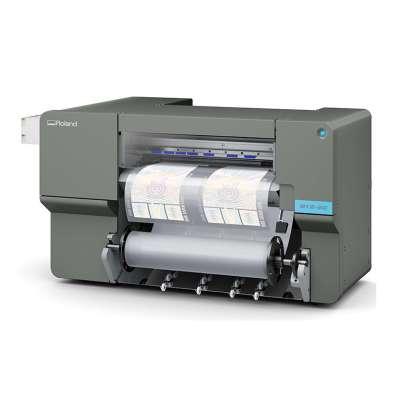
Roland BY-20 DTF Printer: Professional Direct-to-Film Printing Solution
Custom apparel printing has changed quite a bit. Customers no longer want only large batches of identical shirts. Small brands, local businesses, creators, schools, and event organizers often need short runs with different artwork, colors, and garment styles. That shift has made flexible digital production increasingly useful for print shops.
For businesses exploring DTF Printers, the Roland BY-20 is an option worth considering when space, workflow, and dependable output all matter. Rather than building a production setup around large industrial equipment from the beginning, smaller and growing businesses can look for a system that fits their actual workload and available workspace.
Where the Roland BY-20 Fits
The Roland BY-20 is designed around direct-to-film apparel decoration. The process allows artwork to be printed onto transfer film before the finished design is transferred onto a garment using a heat press.
That approach can be useful when a shop handles varied orders. A customer might want a single personalized shirt, while another may need a small run for a company event. Digital transfer production makes these types of jobs easier to accommodate without creating a separate screen for every design.
For a growing print business, that flexibility can be more valuable than simply chasing the highest possible production speed.
A Good Fit for Different Types of Work
One of the practical advantages of this type of setup is the range of customers a print shop can serve. Custom apparel businesses may work with independent clothing labels one day and local organizations the next.
Typical applications can include:
- Custom T-shirts
- Branded workwear
- Promotional apparel
- Team clothing
- Event merchandise
- Personalized garments
- Small-batch fashion products
This variety can help a business test different markets before committing to a particular niche.
Why Workflow Matters
Print quality is only part of the equation. A machine can produce attractive transfers, but the overall production process still needs to be manageable.
A typical workflow involves preparing artwork, printing the transfer, applying adhesive material where required, curing the transfer, and pressing it onto the garment. Each stage needs attention if the finished product is going to meet customer expectations.
A well-organized workspace can make a noticeable difference. Keeping blank garments, films, consumables, and finished orders separated helps prevent mix-ups when several customer jobs are being processed at once.
Consider the Real Cost of Production
The purchase price is only one part of the investment. Anyone considering a new printing system should also think about consumables, maintenance, electricity, garments, packaging, software, and labor.
It's useful to calculate the approximate cost of producing one finished garment before setting retail prices. That calculation gives a much clearer picture of potential margins.
Businesses should also avoid choosing equipment solely because it has the lowest initial price. Support, training, replacement components, and availability of compatible supplies can matter considerably over the life of the equipment.
Support Can Make a Difference
New operators often underestimate how valuable practical support can be. Learning how to maintain equipment, prepare artwork correctly, and troubleshoot common production problems takes time.
A supplier that provides product information, training, onboarding, and technical assistance can make the transition easier. DTGPRO, for example, focuses on digital apparel printing equipment and related solutions for businesses entering or expanding within this market.
That type of support is particularly useful for entrepreneurs who are moving into apparel decoration without years of printing experience.
Think About Your Future Production Needs
Buying equipment for today's workload is sensible, but it is also worth considering where the business could be a year or two from now.
A new shop might begin with orders from friends, local businesses, or an online store. If demand grows, production requirements will change. Before purchasing equipment, consider available workspace, expected order volume, workflow requirements, and whether additional equipment may eventually be needed.
The right setup should make growth easier rather than forcing the business to redesign its entire production process.
Final Thoughts
The Roland BY-20 is worth considering for businesses looking for a professional direct-to-film approach without automatically jumping into a large-scale production environment. Its value should ultimately be judged against a shop's workload, available space, budget, product range, and plans for growth. For businesses comparing modern DTF Printer solutions, reviewing the complete production workflow and available support is just as important as looking at specifications.

 English
 French
 Spanish
 Portuguese
 Deutsch
 Turkish
 Dutch
Dutch
 Italiano
 Russian
 Romaian
 Portuguese (Brazil)
 Greek
Greek
