


How a Building Automation Integrator Transforms Smart Real Estate
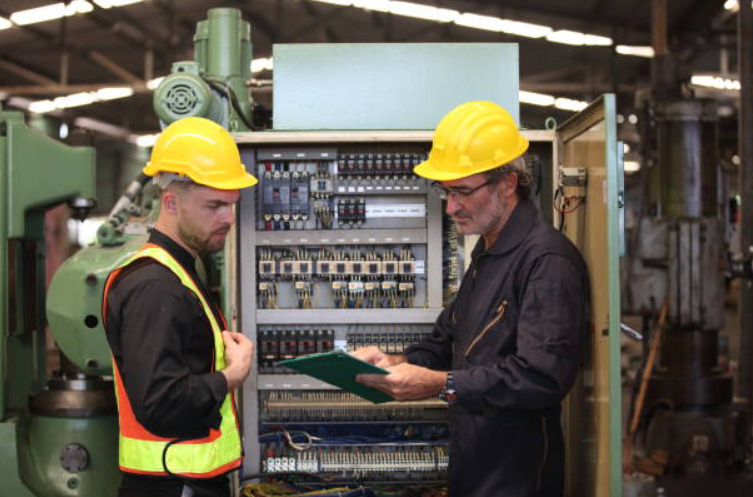
Modern commercial buildings deploy an array of digital technologies designed to optimize operations, lower energy overhead, and create safe, responsive indoor environments. However, running complex environmental sensors, smart illumination networks, access hardware, and power distribution systems in isolation leads to severe operational bottlenecks. When building systems operate independently, property managers miss out on crucial data synergies that drive true efficiency. Connecting these disparate infrastructure layers requires strategic architectural planning, open communication protocols, and unified software platforms across the enterprise landscape.
Achieving total operational convergence requires direct collaboration with an experienced building automation integrator to design and deploy cohesive management systems. Aligning intelligent direct current power networks, smart lighting platforms, and facility management software onto a centralized network backbone eliminates data silos. This comprehensive integration strategy enables commercial properties to respond dynamically to real-time human occupancy, natural daylight shifts, and overall energy demands without manual intervention.
Streamlining Enterprise Building Infrastructure and System Operations
Traditional enterprise facilities rely on separate physical wiring and proprietary management tools for every building domain. This redundant infrastructure increases hardware clutter, complicates routine troubleshooting, and requires site personnel to manage multiple isolated interfaces. Unifying physical and software assets onto a standardized network backbone eliminates redundant cable runs and simplifies facility oversight across multi-story commercial properties.
Consolidating system controls into a unified dashboard drastically improves operational response times. Building operators obtain real-time visibility into baseline power draw, equipment health, and occupant density across every floor. Automated diagnostic routines highlight operational anomalies before failures materialize, enabling maintenance technicians to address repairs proactively. Adopting a unified maintenance approach prevents costly downtime, minimizes maintenance overhead, and significantly extends the service life of expensive facility hardware.
Driving Deep Sustainability through Unified Building Intelligence
Meeting aggressive corporate environmental targets requires precise visibility into daily power usage across every square foot of enterprise real estate. Isolated building controls offer limited diagnostic capabilities, making it difficult for facility teams to identify localized energy waste or execute real-time efficiency routines. Integrated software frameworks aggregate continuous datasets from connected light fixtures, occupancy monitors, and power nodes into clear operational performance reports.
Equipped with comprehensive performance analytics, operations teams can deploy dynamic energy conservation strategies such as automated daylight harvesting and occupancy-based environmental tuning. Automatically reducing energy supply to unoccupied spaces eliminates unnecessary electrical consumption and lowers monthly utility expenses. These proactive adjustments ensure commercial properties satisfy strict municipal energy mandates while securing and maintaining valuable green building certifications.
Enhancing Occupant Comfort, Safety, and Daily Workplace Productivity
Indoor environmental quality directly influences employee health, cognitive focus, and long-term retention within modern corporate settings. Outdated building controls often produce uneven indoor temperatures, visual light glare, and inadequate ventilation rates that contribute to fatigue and reduced focus. Integrated automation systems grant facilities precise control over thermal settings, airflow, and dynamic circadian lighting schemes tailored to individual workspace zones.
In emergency scenarios, connected building platforms play a critical role in preserving life safety and securing facility assets. Unified control platforms automatically align emergency illumination paths, release security access doors, and provide real-time location metrics to emergency response teams. Prioritizing occupant wellness and safety through connected building technologies creates a high-performing workplace environment that attracts top-tier corporate tenants.
Establishing Scalable Infrastructures for Future Smart Facilities
As digital technology advances, enterprise facilities must retain the capacity to integrate new hardware without undertaking destructive structural retrofits. Proprietary, closed-loop systems bind property owners to rigid configurations that prove expensive to alter during floor layout reconfigurations. Establishing an open, software-managed integration foundation ensures building systems remain adaptable and capable of supporting future technological innovations.
Facility administrators can easily onboard emerging environmental sensors, modern access control hardware, and predictive analytics tools onto the open integration framework. Operational parameters, space zone allocations, and automated routines are easily adjusted via desktop management software. Investing in a scalable digital infrastructure preserves long-term property values, lowers operational expenses, and ensures commercial facilities remain competitive in a rapidly evolving market.
Conclusion
Unifying smart building platforms into a single, cohesive digital ecosystem is essential for developing efficient, sustainable, and future-ready commercial real estate. Integrating intelligent power delivery, software management, and connected environmental sensors reduces operational expenses while elevating workspace comfort. Enterprise leaders who invest in comprehensive system integration establish resilient, high-performing facilities designed to adapt effortlessly to future technological demands.

 English
 Arabic
 French
 Portuguese
 Deutsch
 Turkish
 Dutch
Dutch
 Italiano
 Russian
 Romaian
 Portuguese (Brazil)
 Greek
Greek
