


Neckbands Explained: A Simple Guide to Choosing the Right Wireless Audio Device
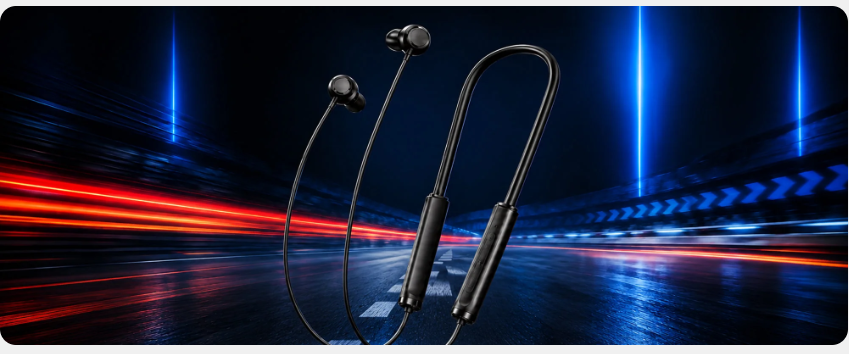
Wireless audio has become an important part of everyday life, but not everyone prefers traditional earbuds or bulky headphones. Neckbands offer another option by combining wireless audio with a lightweight design that rests around the neck. If you're researching neckbands for music, calls, workouts, or daily use, understanding how they work can help you decide whether they're right for you.
What Are Neckbands?
Neckbands are wireless audio devices designed with a flexible band that sits around the user's neck. The earbuds are connected to the neckband by short wires, while the device itself connects to a smartphone or another compatible device wirelessly.
This design provides some of the convenience of wireless earbuds while keeping the two earpieces connected. For people who frequently worry about losing individual earbuds, this can be a practical advantage.
How Do Neckbands Work?
Most modern neckbands use Bluetooth to connect with smartphones, tablets, laptops, and other compatible devices.
Once paired, users can listen to music, podcasts, videos, and other audio without dealing with a traditional wired connection. Many models also include built-in microphones, allowing them to be used for phone calls and online meetings.
The controls are usually placed directly on the neckband, making it possible to adjust volume, pause audio, change tracks, or answer calls without reaching for the phone.
Why Choose a Neckband?
One of the main advantages of a neckband is its secure design.
Because the band rests around your neck, the earbuds remain connected even when they are removed from your ears. This can be useful when moving between listening and conversation throughout the day.
For example, you can take the earbuds out while speaking to someone without needing to put them somewhere or worry about losing them.
Neckbands for Work and Calls
Wireless audio isn't only about entertainment.
Many people use earphones for phone calls, video meetings, online classes, and voice communication. A neckband with a good microphone can provide a convenient hands-free calling experience.
The neckband design can also make controls easier to access, particularly when you need to quickly answer or end a call.
For professionals and students, this can make a neckband useful beyond listening to music.
Battery Life Is an Important Feature
One of the most useful things to check when buying a neckband is battery performance.
Different models offer different playback times, so consider how frequently you expect to use the device. Someone who only listens for an hour or two each day may not need an extremely large battery.
Frequent travelers or heavy users, however, may prefer a model that can run for longer periods between charges.
The charging method should also be considered because convenient charging can make a difference in everyday use.
Comfort Matters
Since the neckband rests around your neck, its weight and flexibility can affect the overall experience.
A lightweight design can be more comfortable during extended listening sessions. The earbuds should also fit securely without creating excessive pressure.
Comfort becomes especially important for people who plan to wear a neckband while working, travelling, exercising, or studying for several hours.
Neckbands for Exercise
Some neckbands are designed with active users in mind.
A secure fit can help keep the earbuds in place during walking, running, or other activities. However, buyers should check the product's specific sweat or water-resistance rating before using it during workouts.
Not every neckband is designed for exposure to moisture, so checking the manufacturer's specifications is important.
Sound Quality and Everyday Listening
Audio quality naturally remains one of the biggest considerations.
Different neckbands can produce different sound profiles. Some may emphasize bass, while others provide a more balanced sound suitable for music, podcasts, videos, and calls.
The fit of the earbuds also affects how the audio sounds. Choosing the right ear-tip size can improve both comfort and sound isolation.
Neckband vs. True Wireless Earbuds
Neckbands and true wireless earbuds each have their own advantages.
True wireless earbuds provide a completely cable-free experience and usually come with a compact charging case. Neckbands, on the other hand, keep the two earbuds connected and can be easier to manage when taking them in and out frequently.
The better choice depends on personal preference and intended use.
Someone who values maximum portability may prefer true wireless earbuds, while someone who wants a connected pair that's harder to misplace may appreciate a neckband.
What Should You Check Before Buying?
If you're considering neckbands, look at more than just the price.
Important factors include:
- Battery life
- Bluetooth connectivity
- Sound quality
- Microphone performance
- Comfort and weight
- Earbud fit
- Charging method
- Sweat or water resistance
- Button or touch controls
- Warranty and customer support
Comparing these features can help you choose a model that fits your daily routine.
Final Thoughts
Neckbands remain a practical wireless audio option for people who want the freedom of Bluetooth without completely separating the two earbuds. Their lightweight design, accessible controls, hands-free calling, and connected earpieces make them suitable for work, entertainment, travel, and everyday activities.
Before buying neckbands, consider your listening habits, required battery life, comfort preferences, and the environments where you'll use them. A well-chosen neckband can provide a convenient balance between traditional wired earphones and completely wireless earbuds.

 English
 Arabic
 Spanish
 Portuguese
 Deutsch
 Turkish
 Dutch
Dutch
 Italiano
 Russian
 Romaian
 Portuguese (Brazil)
 Greek
Greek
