


What to Expect During a Blood Test at Home
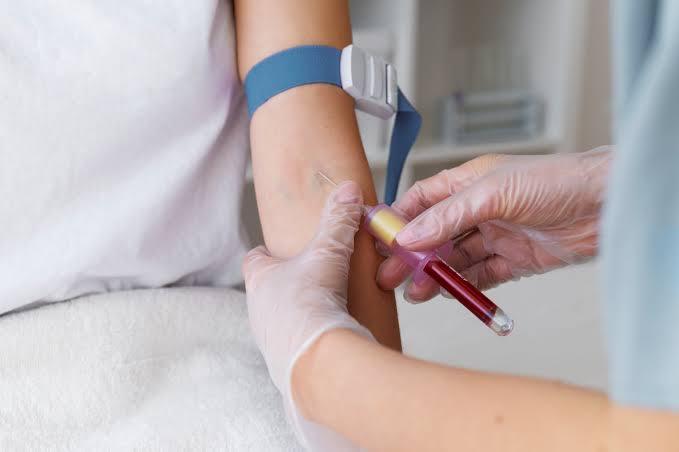
For people searching for Blood Test At Home in Dubai, home sample collection offers a convenient way to complete routine laboratory testing without travelling to a clinic or waiting in a crowded facility. With a Doctor at Home service, a qualified healthcare professional can visit your residence, collect the required sample, and arrange for it to be processed by a suitable laboratory. The process is generally straightforward, but knowing what to expect can make the experience more comfortable. From booking the appointment and preparing for the test to sample collection and receiving your results, understanding each step can help you feel confident and prepared.
Booking Your Home Blood Test:
The first step is arranging an appointment with a healthcare provider or diagnostic service that offers home blood collection. During booking, you may need to provide information about the blood tests you require, your preferred date and time, and your location. If a physician has requested specific laboratory investigations, keep the test request or prescription available. The provider may also explain preparation requirements before confirming your appointment. Depending on the test, you may be advised to fast, avoid certain foods or drinks, or follow other instructions. Confirming these details in advance can help prevent delays or the need to repeat the test.
Preparing Before the Appointment:
Proper preparation depends on the type of blood test being performed. Some investigations require no special preparation, while others may require fasting or temporary restrictions. You should follow the instructions provided by your healthcare professional rather than assuming that every blood test requires fasting. Before your appointment, consider the following:
- Confirm whether fasting is required.
- Ask whether you can drink water before the test.
- Take prescribed medicines only as advised by your healthcare professional.
- Keep your identification and test request readily available if required.
- Wear clothing that allows easy access to your arm.
- Stay hydrated unless you have been specifically instructed otherwise.
Following preparation instructions carefully can help ensure that your sample is collected correctly and that your results are as useful as possible.
What Happens When the Healthcare Professional Arrives:
When the healthcare professional arrives at your home, they will typically confirm your identity and review the requested tests before collecting the sample. They may ask about relevant preparation, such as when you last ate or drank. The professional should use appropriate hygiene and safety procedures, including clean equipment and proper disposal of used materials. You can also use this opportunity to ask questions about the process. If you feel nervous about needles, inform the professional beforehand so they can help make the experience more comfortable.
The Blood Sample Collection Process:
Blood collection usually involves taking a small amount of blood from a vein, commonly in the arm. The healthcare professional will identify an appropriate collection site and clean the area before inserting a sterile needle. Several collection tubes may be required depending on the number and type of tests ordered. Once enough blood has been collected, the needle is removed and the area is covered with gauze or a small dressing. The entire collection is usually brief, although the exact duration can vary depending on the tests required and the individual's circumstances.
Does a Home Blood Test Hurt:
Most people experience only a brief pinch or slight discomfort when the needle enters the skin. Some people may notice mild pressure during collection, while others may feel more sensitive around the puncture site. If you are particularly anxious about needles, communicating your concerns beforehand can help the healthcare professional adapt the process where possible. After the blood draw, keeping gentle pressure on the collection site for a short period can help reduce the chance of bruising or continued bleeding. If you feel dizzy or unwell during collection, tell the healthcare professional immediately.
What Happens to Your Sample After Collection:
After the blood has been collected, the samples must be labelled correctly and handled according to appropriate procedures. Depending on the service, the samples may be transported to a laboratory for analysis. Different blood tests require different laboratory methods, so processing times can vary considerably. Some routine investigations may be completed relatively quickly, while specialized tests can take longer. Before your appointment, ask the provider about the expected turnaround time and how you will receive your report. Remember that receiving a laboratory report does not necessarily mean that every result has a clear meaning without medical interpretation.
Receiving and Understanding Your Results:
Once testing is completed, your results may be delivered electronically, through an online patient portal, or by another method provided by the healthcare service. Your report can contain several measurements, reference ranges, and technical terms. A result outside the stated reference range does not automatically mean that you have a disease, just as a result within the range does not necessarily rule out every health problem. Results should be interpreted in the context of your symptoms, medical history, medications, and other relevant factors. If you are unsure about a result, discuss it with a qualified healthcare professional rather than trying to diagnose yourself.
Benefits of Choosing Blood Testing at Home:
Home blood collection can provide several practical advantages, particularly for people with busy schedules or difficulty travelling. The most common benefits include:
- Convenience: Testing takes place at your preferred location.
- Time savings: You can avoid travelling and waiting at a clinic.
- Comfort: Some people feel more relaxed in familiar surroundings.
- Accessibility: Home collection can be helpful for older adults or people with limited mobility.
- Flexible scheduling: Appointments may be arranged around work and family commitments.
- Privacy: You can complete the collection in a familiar and private environment.
These benefits make home testing an appealing option for routine investigations when the required tests are suitable for home collection.
When You Should Consider Clinic or Urgent Care Instead:
Although home blood collection is convenient, it is not designed to replace urgent medical evaluation. If you are experiencing severe symptoms, sudden deterioration, difficulty breathing, chest pain, significant bleeding, loss of consciousness, or another potentially serious medical problem, seek appropriate urgent medical care rather than relying on a routine home testing appointment. A clinic or hospital may also be more suitable when you require a physical examination, imaging, immediate treatment, or several medical services at once. Your healthcare professional can help determine whether home collection is appropriate for your particular testing needs.
Final Thoughts:
Knowing what to expect during a blood test at home can make the process simple and less stressful. From scheduling the appointment and following preparation instructions to professional sample collection and laboratory processing, each stage is designed to make testing more convenient while maintaining appropriate standards of care. Home blood testing can be especially useful when travelling to a clinic is inconvenient, but the suitability of the service depends on the test required and your individual healthcare needs. Follow preparation instructions carefully, choose a qualified provider, and discuss your results with a healthcare professional when necessary. With the right preparation, a home blood test can be a convenient addition to your routine healthcare.


 English
 Arabic
 French
 Spanish
 Portuguese
 Deutsch
 Turkish
 Dutch
Dutch
 Russian
 Romaian
 Portuguese (Brazil)
 Greek
Greek
