


How China Is Advancing Grain Harvesting Through Combine Harvester Technology
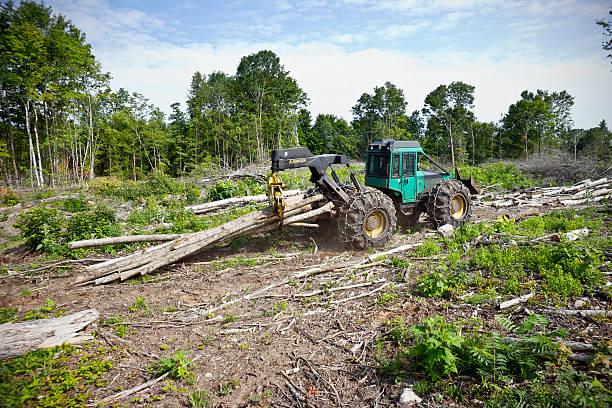
Combine harvesters play an important role in modern grain production by bringing several harvesting functions into a coordinated operation. A single machine can support cutting, threshing, separation, and cleaning, helping farmers manage demanding harvesting activities more efficiently. In China, the development of combine harvesting equipment is closely connected with broader agricultural mechanization, equipment innovation, intelligent technologies, crop-specific machinery, operator capabilities, and the modernization of farming practices.
According to a Vyansa Intelligence report, China’s combine harvester industry was valued at USD 7.14 billion in 2025 and is projected to reach USD 9.32 billion by 2032, representing a CAGR of 3.88% from 2026 to 2032. These figures provide a quantitative perspective on an industry shaped by mechanized grain production, equipment modernization, technological development, harvesting efficiency, and the changing requirements of agricultural operations.
Combine Harvesters Support Multiple Harvesting Functions
The main value of a combine harvester comes from its ability to coordinate several harvesting processes within one machine. Instead of relying on separate equipment for cutting, threshing, and cleaning, a combine can perform these functions as part of a connected field operation.
This integration can simplify harvesting workflows and help farmers complete operations in a coordinated manner. It also places greater importance on machine configuration, operator knowledge, maintenance, and compatibility with specific crop conditions.
China's agricultural mechanization policies emphasize the development of advanced and appropriate agricultural machinery to support complete mechanization across agricultural production.
The industry analysis therefore needs to consider combine harvesters as part of a wider agricultural machinery ecosystem.
Grain Production Is Encouraging Specialized Equipment
Different crops create different harvesting requirements. Wheat, rice, maize, soybean, and other crops can differ in plant structure, field conditions, harvesting timing, and machine settings.
China's agricultural modernization policies have emphasized strengthening mechanization for major crops while addressing weaker links in agricultural production. Official planning also calls for improved integration between crop varieties, cultivation methods, farmland conditions, and agricultural machinery.
According to this combine harvester industry report, equipment development therefore increasingly needs to reflect crop-specific harvesting requirements.
Intelligent Systems Are Changing Harvesting Operations
Agricultural machinery is increasingly incorporating digital controls, sensors, monitoring systems, automation, and other intelligent technologies. These features can provide operators with more information about machine performance and harvesting conditions.
China's policy framework specifically encourages the integration of agricultural mechanization with information technology and promotes the development of intelligent agricultural equipment.
This means the latest industry analysis extends beyond conventional mechanical capabilities. Intelligent functions are becoming part of the broader discussion around how combine harvesters can support modern agricultural operations.
Operator Expertise Remains Essential
Even as combine harvesters become more technologically advanced, operators continue to play an important role. Harvesting conditions can change across fields, requiring adjustments to machine settings and operating practices.
Operators need to understand the machine's controls, harvesting functions, safety procedures, and maintenance requirements. They also need to recognize field conditions that could affect harvesting performance.
Training is consequently an important part of effective mechanization. Technology can provide additional information, but practical knowledge remains necessary to interpret conditions and operate equipment appropriately.
Machinery Needs to Match Local Farming Conditions
China's agricultural landscape includes extensive farmland as well as hilly and mountainous areas. These different environments create different requirements for harvesting equipment.
Government guidance recognizes the need for both large and medium-sized machinery and smaller equipment designed for smaller-scale agricultural operations and difficult terrain.
This highlights the importance of designing and selecting combine harvesters according to operating conditions. Machine dimensions, maneuverability, crop compatibility, field accessibility, and operator requirements can all influence suitability.
The market research report should therefore be considered alongside the practical differences between agricultural production environments.
Harvesting Efficiency Depends on More Than Machine Capacity
A combine harvester's effectiveness is not determined solely by its technical capabilities. Crop conditions, field preparation, machine settings, operator skills, maintenance, and harvesting timing can all influence performance.
Agricultural mechanization works best when equipment and farming practices are developed together. China's national guidance specifically promotes closer integration between agricultural machinery and agronomic practices.
This approach can help reduce operational mismatches and make harvesting equipment more suitable for actual field conditions.
Maintenance Supports Consistent Equipment Performance
Combine harvesters operate in environments involving dust, crop residue, vibration, and extended working periods. Regular maintenance can therefore be important for maintaining reliable equipment performance.
Routine inspection, cleaning, lubrication, servicing, and replacement of worn components can help support machine availability. Maintenance also becomes important when harvesting operations need to be completed within limited periods.
China's agricultural machinery system includes repair facilities and service organizations, demonstrating the importance of maintenance infrastructure alongside machinery deployment.
The industry analysis consequently includes not only equipment manufacturing but also the services required to keep machinery operational.
Machinery Services Can Improve Equipment Access
Combine harvesters represent substantial equipment assets, and ownership may not be the only way farmers can obtain harvesting services. Agricultural machinery service organizations can provide harvesting operations to producers that do not maintain their own complete machinery fleets.
China's agricultural machinery system includes professional cooperatives and agricultural machinery service organizations. These structures can connect machinery with farmers who require equipment during specific agricultural operations.
Service-based models can also support machinery utilization by allowing equipment to serve multiple agricultural operations rather than remaining tied to a single farm.
Policy Supports Agricultural Mechanization
China has established a legal and policy framework supporting agricultural mechanization. The Agricultural Mechanization Promotion Law encourages the use of advanced and appropriate agricultural machinery and addresses areas including research and development, equipment quality, promotion, socialized services, and support measures.
The broader policy environment also emphasizes equipment innovation and the development of machinery suited to China's agricultural conditions.
This creates an institutional foundation for continued development of agricultural equipment and harvesting technologies.
Innovation Is Expanding Equipment Capabilities
Innovation in agricultural machinery increasingly involves mechanical design, automation, electronics, sensors, digital interfaces, and specialized equipment.
China's agricultural modernization planning calls for research into large, intelligent, and multifunctional agricultural machinery, as well as specialized equipment for different production environments.
For combine harvesters, this can mean greater attention to machine intelligence, operator support, harvesting precision, and compatibility with specific crops and field conditions.
Sustainable Mechanization Is Also Important
Modern agricultural equipment is increasingly evaluated in the context of resource efficiency and environmentally responsible production. China's policy guidance encourages green and efficient agricultural machinery and technologies, including equipment supporting precision sowing, efficient fertilization, water-saving irrigation, residue management, and other resource-conscious practices.
For combine harvesters, responsible mechanization can involve appropriate machine operation, maintenance, field planning, and the integration of harvesting equipment with wider agricultural management practices.
China’s Harvesting Equipment Landscape Is Becoming More Integrated
Combine harvesters are increasingly connected with broader agricultural systems involving crop development, agronomic practices, digital technologies, machinery services, maintenance networks, and equipment innovation.
China's agricultural mechanization authorities have also reported continued development of grain harvesting machinery and intelligent agricultural equipment, reflecting the wider role of technology in modern farm operations.
The market research report provides a quantitative perspective on the industry's development, while government policies and agricultural institutions provide context on the technological and operational framework surrounding mechanized harvesting.
Understanding China’s Combine Harvester Industry
China's combine harvester industry is developing alongside the country's broader transition toward increasingly integrated agricultural mechanization. Equipment is being shaped by crop-specific requirements, intelligent technologies, operator needs, maintenance systems, agricultural services, and government support for machinery innovation.
The latest industry analysis indicates that the role of combine harvesters extends beyond basic crop collection. These machines form part of a larger agricultural system in which machinery, agronomy, technology, infrastructure, and human expertise need to work together.
As agricultural operations continue to incorporate more advanced equipment, the emphasis is likely to remain on machines that are reliable, adaptable, technologically capable, and suitable for China's varied farming environments. Effective mechanization ultimately depends on how well equipment fits real agricultural conditions and how successfully it is supported by operators, service networks, maintenance systems, and appropriate farming practices.

 English
 Arabic
 French
 Spanish
 Portuguese
 Deutsch
 Turkish
 Dutch
Dutch
 Italiano
 Russian
 Portuguese (Brazil)
 Greek
Greek
