


Is Lipo Chest Surgery Painful?
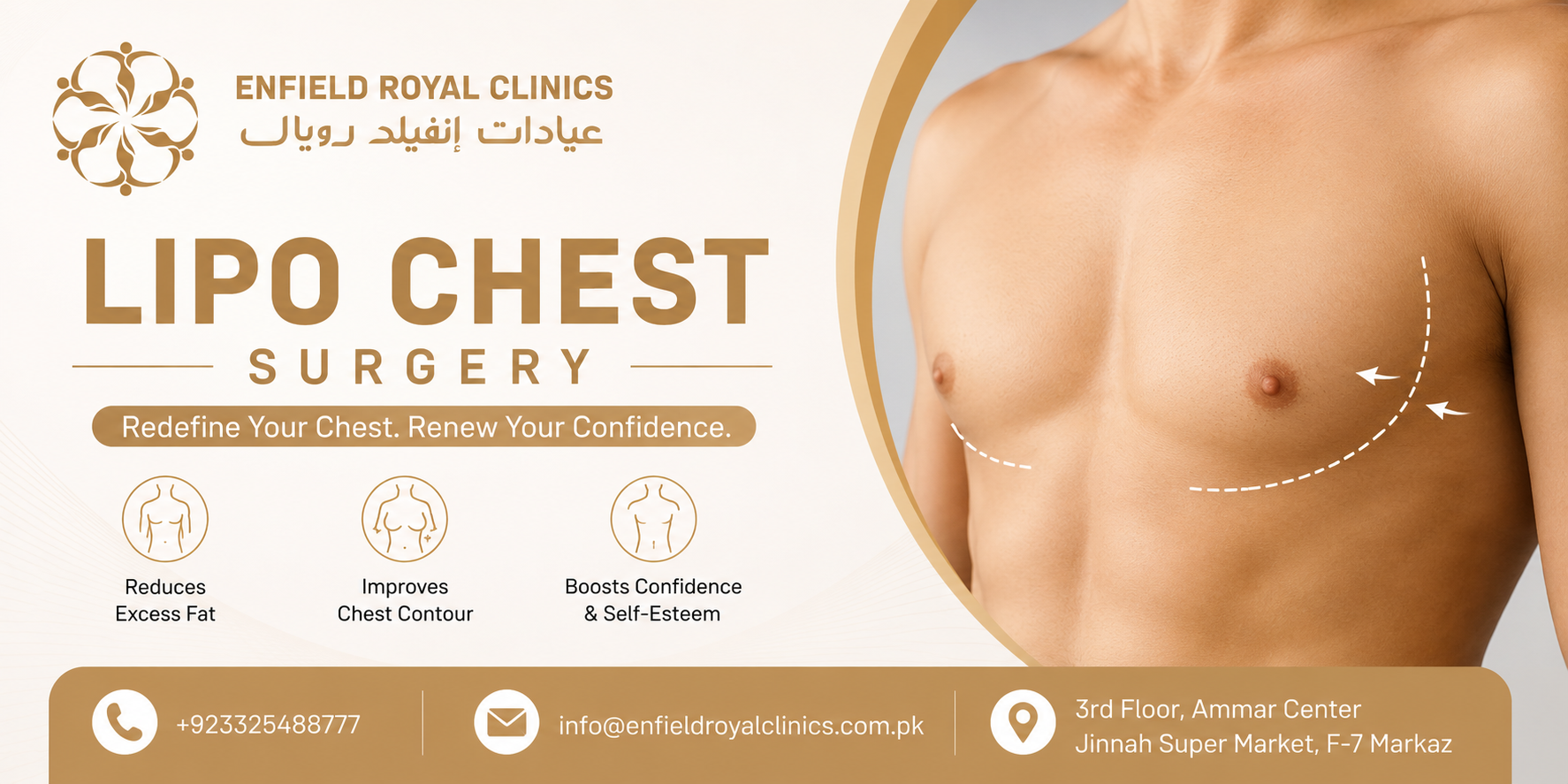
Many men considering cosmetic chest contouring worry about whether the procedure will be painful. This is a common concern, especially for anyone who has never undergone a surgical procedure before. Lipo Chest Surgery involves removing localized fat from the chest, but modern techniques and appropriate anesthesia can help make the experience more comfortable.
While some discomfort is expected during recovery, the level of pain varies from person to person. Understanding what happens before, during, and after the procedure can help you prepare realistically.
Does Lipo Chest Surgery Hurt During the Procedure?
During Lipo Chest Surgery, anesthesia is used to prevent significant pain while the surgeon performs the procedure. Depending on the treatment plan and clinical circumstances, local anesthesia with sedation or another appropriate form of anesthesia may be used.
Because the treatment area is numbed, patients generally should not experience sharp pain during the actual fat-removal process. They may notice pressure, movement, or sensations around the chest, depending on the anesthesia technique.
The surgeon and medical team monitor the patient throughout the procedure to help maintain comfort and safety.
What Does Lipo Chest Surgery Feel Like Afterward?
Once the anesthesia wears off, some discomfort is normal. Patients may experience sensations similar to soreness after an intense workout.
Common temporary symptoms can include:
- Mild to moderate soreness
- Tightness in the chest
- Swelling
- Bruising
- Tenderness
- Temporary numbness
- Sensitivity around the treated areas
These effects usually improve gradually as the body heals.
The amount of discomfort can depend on how much fat was removed, the extent of treatment, individual sensitivity, and the body's healing response.
Is the Pain Severe?
For many patients, postoperative discomfort is manageable, but everyone experiences recovery differently. The first few days can be more uncomfortable than later stages of healing.
Rather than expecting zero discomfort, patients should prepare for a temporary period of soreness and tightness.
Your surgeon can explain what level of discomfort is expected and provide appropriate instructions for managing it. You should not take additional medication without discussing it with your medical team.
How Long Does Discomfort Last?
The recovery period varies between individuals. Discomfort is often more noticeable during the early days after Lipo Chest Surgery and gradually decreases as swelling and bruising settle.
Some patients may continue to experience mild tenderness or tightness for several weeks. Temporary changes in sensation can also occur as the tissues recover.
The visible improvement may happen gradually because swelling can initially make the chest look different from its final appearance.
Does Swelling Cause Discomfort?
Swelling is a normal part of the body's healing response after liposuction. It can create a feeling of tightness or pressure around the chest.
A compression garment may be recommended after Lipo Chest Surgery to support the treated area and help manage swelling. Patients should wear it according to their surgeon's instructions.
Swelling generally decreases progressively, although the timeline differs from one person to another.
What Helps With Recovery?
Following postoperative instructions carefully can make the recovery process more comfortable and predictable.
Your medical team may recommend:
- Taking prescribed or approved medication as directed
- Wearing a compression garment when instructed
- Getting adequate rest
- Staying hydrated
- Avoiding strenuous activities initially
- Attending scheduled follow-up appointments
- Keeping incision sites clean according to instructions
Trying to return to intense exercise too quickly may increase discomfort and interfere with recovery.
When Can You Return to Normal Activities?
The timing depends on the extent of Lipo Chest Surgery, your occupation, and how quickly your body heals.
People with desk-based jobs may be able to return to normal routines relatively soon, while physically demanding work may require additional recovery time.
Exercise should usually be restarted gradually and only when your surgeon considers it appropriate.
Even if you feel comfortable early on, internal healing can continue for weeks, so following professional guidance is important.
Can Pain Be a Warning Sign?
Some discomfort is expected, but severe or worsening pain should not simply be ignored.
Patients should contact their medical team if they experience unusual or rapidly increasing pain, significant swelling, fever, increasing redness, drainage, breathing difficulties, chest pain, or other concerning symptoms.
These symptoms do not necessarily mean there is a serious complication, but they should be assessed promptly by an appropriate healthcare professional.
Does the Surgical Technique Affect Comfort?
The technique used during Lipo Chest Surgery can influence the recovery experience. Surgeons may use different liposuction approaches depending on the patient's anatomy, amount of fat, and desired contour.
The extent of treatment can also affect postoperative soreness. A larger treatment area may involve more swelling and require a longer recovery period than a smaller area.
During consultation, the surgeon can explain which technique is appropriate and what type of recovery to expect.
How Can You Prepare for a More Comfortable Recovery?
Preparation can make the early recovery period easier. Arrange your transportation if necessary and prepare a comfortable place to rest at home.
Follow all preoperative instructions regarding medications, eating, drinking, and other activities. After surgery, keep commonly needed items within easy reach so you do not need to make unnecessary movements.
Most importantly, follow the personalized instructions provided by your surgical team rather than relying on general advice.
Final Thoughts
So, is Lipo Chest Surgery painful? The procedure itself is performed with anesthesia, so significant pain during surgery is generally avoided. Afterward, patients can expect temporary soreness, tightness, swelling, bruising, and tenderness as the chest heals.
The discomfort is usually part of the normal recovery process and gradually improves. However, every patient has a different pain threshold and healing pattern.
Before undergoing Lipo Chest Surgery, discuss pain management, anesthesia, recovery time, activity restrictions, and warning signs with a qualified surgeon. Understanding the recovery process beforehand can help you feel more prepared and confident about your treatment decision.
For more information visit Enfield royal clinic in islamabad

 English
 Arabic
 Spanish
 Portuguese
 Deutsch
 Turkish
 Dutch
Dutch
 Italiano
 Russian
 Romaian
 Portuguese (Brazil)
 Greek
Greek
