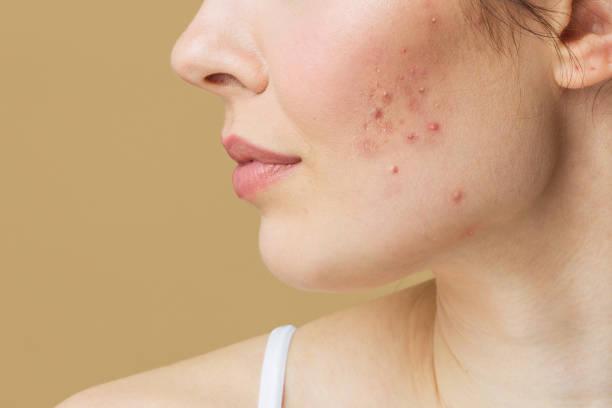
Professional acne scar treatments are designed to improve the appearance of scars, uneven texture, and pigmentation, but every procedure can cause temporary reactions or potential complications. Understanding these possibilities before treatment can help you prepare appropriately and recognize when professional advice may be needed. For people considering acne scar treatment near me, discussing potential side effects with a qualified dermatologist is an important part of treatment planning.
Common Temporary Side Effects
Many acne scar procedures intentionally stimulate the skin's healing process. As a result, temporary redness, sensitivity, swelling, dryness, or mild discomfort may occur. The severity and duration depend on the treatment, intensity, treated area, and individual skin response.
Redness and Sensitivity
Redness is common after treatments such as microneedling, laser resurfacing, and chemical peels. The skin may also feel warm, tight, or more sensitive than usual. These effects generally improve as the skin recovers.
Swelling
Some procedures can cause temporary swelling, particularly during the early recovery period. Mild swelling may be expected, but significant or worsening swelling should be discussed with your treatment provider.
Dryness and Peeling
Skin resurfacing and chemical peels can cause dryness, flaking, or peeling as treated skin renews itself. Avoid pulling or picking peeling skin because this can increase irritation and interfere with the healing process.
Bruising
Bruising can occasionally occur after procedures that affect deeper layers of the skin, such as subcision. The amount and duration of bruising can vary depending on the treatment area and individual healing response.
Temporary Changes in Skin Texture
Immediately after treatment, the skin may look rougher or feel different before it begins to improve. This can occur because of swelling, dryness, peeling, or the healing response. It is usually too early to judge final results during this stage.
Pigmentation Changes
Temporary Darkening
Some people may experience temporary darkening of treated areas, particularly after inflammation. This can be more noticeable in individuals prone to post-inflammatory hyperpigmentation.
Temporary Lightening
Certain procedures can also cause areas of the skin to become lighter than surrounding skin. The risk depends on the treatment, skin type, and treatment settings.
Infection Risk
Any procedure that disrupts the skin barrier can carry some risk of infection. Following hygiene and aftercare instructions carefully can help reduce unnecessary risk. If you notice concerning symptoms, contact your provider promptly.
Prolonged Redness
Although temporary redness can be expected after some procedures, redness that persists longer than anticipated should be discussed with your treatment provider. Your dermatologist can determine whether the reaction is part of normal healing or requires additional care.
Scarring or Skin Changes
Ironically, procedures intended to improve scars can rarely cause unwanted scarring or changes in skin texture if performed inappropriately or if complications occur. This is one reason professional assessment and proper treatment settings are important.
Acne or Breakout Flare-Ups
Some patients may experience temporary breakouts or irritation following certain procedures or product changes. Your provider can recommend an appropriate skincare routine to support recovery and manage acne-prone skin.
Allergic or Irritant Reactions
Skincare products, numbing agents, chemical peel ingredients, or post-treatment products may occasionally cause irritation or allergic reactions. Inform your provider about known allergies and previous reactions before treatment.
Side Effects Can Vary by Treatment
Microneedling
Possible temporary effects include redness, swelling, sensitivity, dryness, and mild pinpoint bleeding depending on treatment intensity.
Laser Treatments
Laser procedures can cause redness, warmth, swelling, sensitivity, peeling, or temporary pigmentation changes. More intensive resurfacing generally requires more recovery than gentler approaches.
Chemical Peels
Depending on the strength and type of peel, patients may experience redness, tightness, dryness, peeling, and temporary sensitivity.
Subcision
Subcision may cause temporary swelling, tenderness, bruising, or discomfort around the treated areas.
Factors That Can Increase Risk
Your skin type, pigmentation tendency, treatment intensity, medical history, medications, previous procedures, and aftercare habits can influence the likelihood of side effects. This makes individualized treatment planning important.
How Skin Tone Can Influence Pigmentation Risk
Individuals with darker skin tones or a history of pigmentation changes may have a higher risk of post-inflammatory hyperpigmentation after certain procedures. Your provider may modify the treatment approach to reduce unnecessary irritation and pigmentation risk.
The Importance of Professional Treatment
Choosing an appropriately qualified professional can help ensure that your skin is properly assessed and that the treatment is performed using suitable techniques and settings. Professional evaluation is especially important for deeper scars and pigmentation-prone skin.
How Proper Aftercare Can Help
Following your provider's instructions can support healing and reduce avoidable irritation. Gentle cleansing, appropriate moisturization, sun protection, and avoiding harsh skincare products are often important during recovery.
Avoid Picking or Scratching
Picking treated skin, peeling flakes, or scabs can delay healing and increase the risk of pigmentation or infection. Allow the skin to recover naturally and follow the specific instructions provided by your treatment professional.
Protect Your Skin From the Sun
Sun exposure can worsen pigmentation changes while treated skin is recovering. Use broad-spectrum sunscreen as directed and minimize prolonged direct sun exposure during the recovery period.
When Should You Contact Your Provider?
Contact your treatment provider if you experience symptoms that are severe, worsening, or significantly different from what you were told to expect. Prompt professional assessment is preferable to trying to diagnose or treat an unusual reaction yourself.
Setting Realistic Expectations
Temporary side effects do not necessarily mean that a treatment has gone wrong. Many procedures cause visible changes during the healing period before improvements become noticeable. Understanding the expected recovery process can help prevent unnecessary concern.
Why Consultation Is Important
When considering Acne Scar Treatment in Riyadh, discuss potential side effects, recovery time, and individual risk factors during your consultation. A professional can explain which reactions are expected for your specific procedure and how to care for your skin afterward.
Book an Appointment with Royal Clinic Saudia
If you want to learn more about acne scar treatment and its potential side effects, Royal Clinic Saudia can provide a personalized consultation. The medical team can evaluate your skin, discuss suitable treatment options, and explain expected recovery and aftercare.
FAQs:
Are redness and swelling normal after acne scar treatment?
They can be normal temporary reactions, depending on the procedure and treatment intensity.
Can acne scar treatment cause pigmentation changes?
Yes. Temporary darkening or lightening can occur, particularly in pigmentation-prone skin.
How can I reduce the risk of side effects?
Follow professional treatment and aftercare instructions and avoid unnecessary irritation during recovery.
When should I contact my provider?
Contact your provider if symptoms are severe, worsening, or different from the expected recovery process.




 English
 Arabic
 French
 Spanish
 Portuguese
 Turkish
 Dutch
Dutch
 Italiano
 Russian
 Romaian
 Portuguese (Brazil)
 Greek
Greek
