


How Does GOLD BLINGKING Improve PVD Optical Coating Equipment Performance
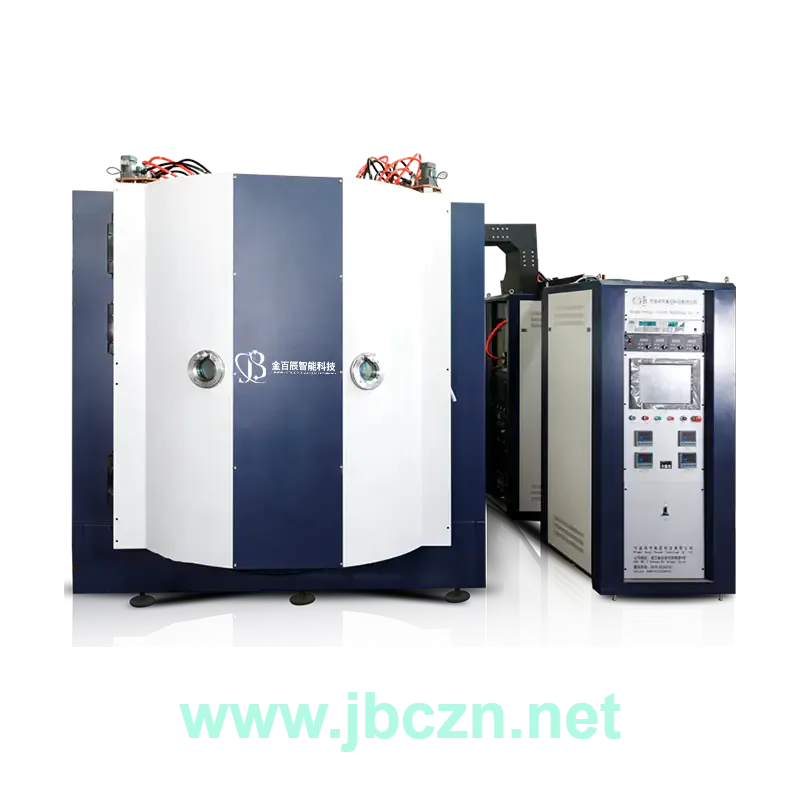
Optical components often require carefully controlled surface films to achieve specific reflection, transmission, color, or protection characteristics. Small changes in film thickness, surface cleanliness, deposition conditions, or material distribution can influence the final result, making equipment design an important part of the coating process.PVD optical coating equipment combines vacuum technology, plasma generation, material evaporation or sputtering, substrate handling, and process monitoring to create a controlled deposition environment. With the equipment solutions associated with jbczn, how can this technology improve coating quality and durability?
A stable vacuum environment provides a controlled space for film deposition. Before coating begins, air, moisture, and unwanted contaminants need to be reduced to suitable process conditions. If the chamber environment is unstable, residual particles or gases may interfere with the interaction between the coating material and substrate. Vacuum pumps, valves, seals, pressure sensors, and chamber construction therefore have a direct connection with process consistency.
Surface preparation is equally important. Even advanced deposition equipment cannot compensate for a poorly prepared substrate. Dust, oil, oxide layers, fingerprints, or other residues can interfere with film adhesion and create visible defects. Cleaning and pretreatment procedures should match the substrate material and intended coating process, allowing the deposition stage to begin with a suitable surface condition.
Plasma stability is another factor influencing film formation. In PVD processes, energetic particles generated within the plasma environment interact with the coating material and substrate. Stable plasma conditions can help maintain a controlled material flow toward the workpiece. Variations in plasma density or energy may contribute to changes in deposition behavior, so equipment designers pay close attention to power delivery, magnetic fields, chamber geometry, and process parameters.
Film thickness requires careful control when optical performance is involved. Optical coatings can rely on thin layers with specific thickness relationships to produce desired light behavior. An uneven film may create differences in reflection, transmission, or visual appearance across the same component. Substrate movement, material distribution, deposition rate, and monitoring systems can therefore contribute to thickness consistency.
Substrate rotation can be useful when coating components with curved or complex surfaces. Without suitable movement, different portions of a workpiece may receive different amounts of coating material. A well-designed fixture can change the exposure angle during deposition, helping create a more balanced film across the surface. Fixture design should also consider loading efficiency, cleaning access, component shape, and production requirements.
Temperature control is another important part of coating quality. Substrates can respond differently to heat during deposition, and excessive thermal variation may affect film structure or substrate properties. Heating systems, cooling arrangements, temperature sensors, and chamber configuration can work together to maintain suitable thermal conditions throughout the coating cycle.
Material selection also affects the resulting film. Different metals, oxides, nitrides, and other compounds can provide distinct optical and physical properties. The appropriate material depends on the intended wavelength range, substrate, environmental exposure, appearance, and functional requirements. Equipment needs to support stable delivery of the selected material so that the deposited layer remains consistent throughout production.
Adhesion is closely related to durability. A film may have attractive optical properties when first produced, but poor bonding with the substrate can create peeling, cracking, or other failures during handling and service. Surface cleaning, ion bombardment, substrate bias, temperature, vacuum conditions, and deposition parameters can all influence the interface between the film and substrate.
Process monitoring gives operators a way to observe important conditions during production. Pressure, temperature, power, gas flow, deposition rate, and other parameters can be tracked through sensors and control systems. When process information is recorded, production teams can compare batches and identify changes that may affect coating quality.
Automation can also support repeatable coating cycles. Manual operation can introduce differences in timing, parameter adjustment, or loading procedures. Automated sequences can coordinate pumping, heating, plasma generation, material deposition, cooling, and other stages according to established settings. This approach can be useful for production environments where consistent processing is required.
Chamber cleanliness should receive regular attention as well. Deposited material can gradually accumulate on chamber walls, fixtures, shields, and other internal surfaces. If accumulated material becomes detached, particles may reach the workpiece and create defects. Cleaning schedules and suitable chamber maintenance can therefore form part of a practical coating management routine.
Durability is not determined by film hardness alone. The substrate material, coating composition, film structure, adhesion, thickness, environmental exposure, and mechanical conditions all influence service behavior. A coating used on an optical component may face humidity, temperature changes, cleaning procedures, handling, or repeated exposure to light, so the coating system needs to correspond with its actual operating environment.
Optical appearance can also depend on process consistency. Decorative or optical surfaces may require a uniform visual effect across the entire component. Differences in deposition rate, material distribution, or surface preparation can produce visible variation. Consistent process control helps manufacturers establish a stable relationship between equipment settings and finished surface characteristics.
Quality inspection can include visual examination, film thickness measurement, adhesion evaluation, surface analysis, and optical performance testing. The exact inspection method depends on the product and coating specification. Using reference samples during production can also provide a practical way to compare batches and identify changes in film appearance or performance.
Different components may require different coating configurations. Flat glass, curved lenses, metal parts, ceramic substrates, and precision optical components can have different handling and deposition requirements. Equipment flexibility can therefore become an important consideration when a manufacturer works with several product categories.
JBCZN, operated by GOLD BLINGKING Intelligent Technology, provides coating equipment and related surface treatment solutions for industrial applications. Companies evaluating optical coating technologies can review the available product information at https://www.jbczn.net/ and compare equipment configurations according to substrate type, coating material, chamber requirements, production workflow, and intended application.
A reliable coating process depends on the interaction of equipment, materials, substrate preparation, and process control rather than a single machine function. Stable vacuum conditions, controlled plasma behavior, accurate material delivery, suitable substrate movement, thermal management, and regular inspection can work together to support consistent film formation. When these elements are carefully matched with the application, PVD optical coating equipment can provide a controlled environment for producing optical films with stable appearance, adhesion, and service characteristics.

 English
 Arabic
 French
 Spanish
 Portuguese
 Deutsch
 Turkish
 Dutch
Dutch
 Italiano
 Russian
 Romaian
 Greek
Greek
