


NBR Rubber: Properties, Applications, Benefits and Uses
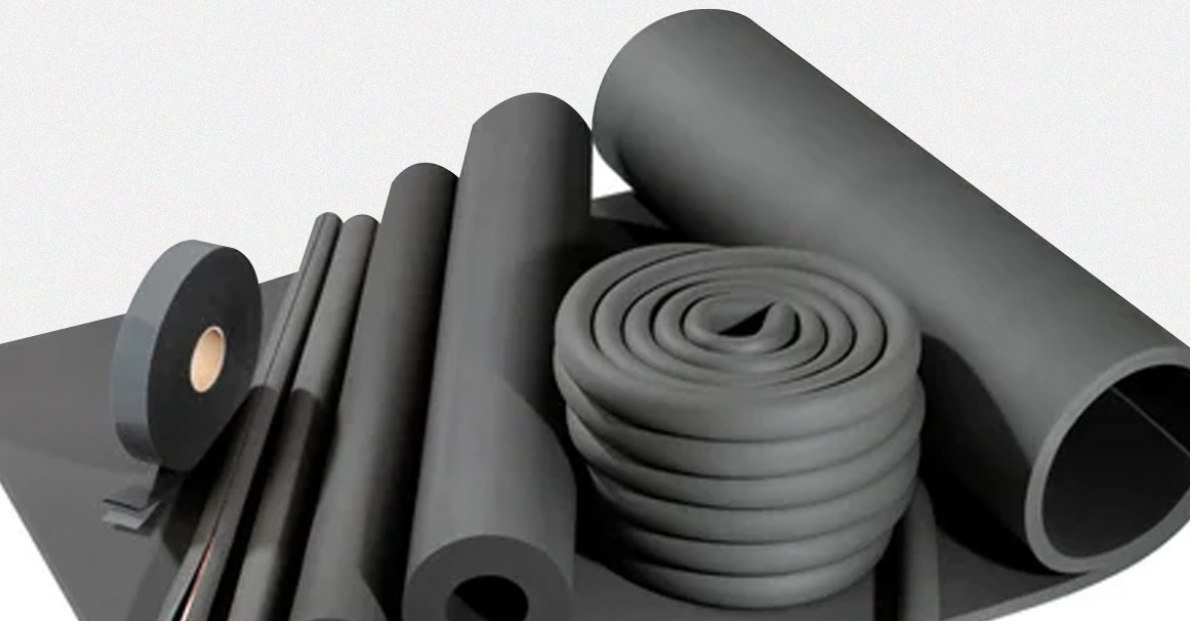
What Is NBR Rubber and Why Is It Important?
NBR rubber, also known as Nitrile Butadiene Rubber, is a synthetic elastomer widely used in applications where resistance to oils, fuels, and certain chemicals is essential. It is produced by combining acrylonitrile and butadiene, with the amount of acrylonitrile influencing important properties of the final rubber compound.
One of the biggest advantages of NBR is its ability to provide reliable performance in environments where conventional rubber materials may deteriorate when exposed to petroleum-based fluids.
Because of this characteristic, NBR rubber is commonly used in automotive, oil and gas, industrial, hydraulic, pneumatic, and machinery applications.
GB Gummi provides rubber compound solutions designed around the performance requirements of different industrial applications.
Why Is NBR Rubber Preferred for Oil-Exposed Applications?
Oil resistance is one of the defining characteristics of NBR rubber. Many industrial components come into contact with lubricating oils, hydraulic fluids, fuels, and greases during normal operation.
When an unsuitable rubber is exposed to these fluids for extended periods, it can swell, soften, lose strength, or experience dimensional changes. NBR is formulated to provide better resistance to many petroleum-based oils and fuels.
The exact level of resistance depends on the acrylonitrile content, formulation, temperature, type of fluid, and exposure duration.
For this reason, selecting the right NBR grade is important rather than treating all NBR compounds as identical.
What Are the Key Properties of NBR Rubber?
NBR rubber offers a combination of mechanical and chemical properties that make it suitable for demanding applications.
Important properties can include:
-
Good resistance to petroleum-based oils
-
Good fuel resistance
-
Good tensile strength
-
Good abrasion resistance
-
Good compression resistance
-
Good flexibility in suitable formulations
-
Good resistance to grease
-
Reliable sealing performance
-
Wide formulation flexibility
The final characteristics of an NBR compound depend on its formulation and the conditions under which it will be used.
How Does Acrylonitrile Content Affect NBR Rubber?
Acrylonitrile content is an important factor when selecting NBR rubber.
NBR grades with higher acrylonitrile content generally provide improved resistance to oils and fuels, while lower acrylonitrile grades typically offer better flexibility at lower temperatures.
This creates a trade-off between oil resistance and low-temperature flexibility.
Manufacturers therefore need to consider the actual operating environment before selecting an NBR grade. The right balance depends on factors such as fluid exposure, temperature, flexibility requirements, and mechanical stress.
A rubber compound manufacturer can help identify an appropriate formulation according to the product's specifications.
Where Is NBR Rubber Commonly Used?
NBR rubber is used in numerous industries because of its oil and fuel resistance.
Common applications include:
-
Oil seals
-
O-rings
-
Gaskets
-
Hydraulic seals
-
Pneumatic seals
-
Fuel-system components
-
Automotive hoses
-
Industrial hoses
-
Oil-resistant sheets
-
Rubber diaphragms
-
Rollers
-
Bushes
-
Machinery components
NBR is particularly useful for sealing and flexible components where contact with oils or petroleum-based fluids is expected.
Why Is NBR Rubber Used for Seals and O-Rings?
Seals and O-rings must maintain their shape and sealing capability while being exposed to pressure, movement, temperature changes, and fluids.
NBR is widely used in these components because it combines useful mechanical strength with resistance to many oils and fuels.
Depending on the application, an NBR compound can be formulated to achieve the required hardness, compression set, tensile strength, elongation, and temperature performance.
This makes NBR a common choice for hydraulic, pneumatic, automotive, and industrial sealing applications.
What Are the Main Benefits of NBR Rubber?
Excellent Oil Resistance
NBR is particularly valued for its resistance to many petroleum-based oils, making it suitable for fluid-handling and sealing applications.
Good Fuel Resistance
Selected NBR grades can provide useful resistance to fuels and fuel-related environments.
Strong Mechanical Properties
NBR can offer good tensile strength, abrasion resistance, and durability when properly formulated.
Good Sealing Performance
Its combination of flexibility and mechanical properties makes it suitable for gaskets, O-rings, and seals.
Flexible Formulation
Different NBR grades can be formulated for different combinations of oil resistance, temperature performance, flexibility, and mechanical properties.
Is NBR Rubber Suitable for Automotive Applications?
Yes. NBR is widely used in automotive applications where components may encounter oils, fuels, lubricants, and other petroleum-based fluids.
Applications can include:
-
Oil seals
-
Fuel-system components
-
Gaskets
-
O-rings
-
Hoses
-
Automotive seals
-
Engine-related rubber components
The specific compound should be selected according to the type of fluid, operating temperature, pressure, and mechanical conditions.
Automotive components can experience demanding environments, so material compatibility should be evaluated before production.
How Does NBR Rubber Perform in Hydraulic and Pneumatic Systems?
Hydraulic and pneumatic systems rely on seals and other flexible components to prevent leakage and maintain pressure.
NBR is commonly used in these systems because of its combination of mechanical properties and resistance to hydraulic oils and lubricants.
It can be used for seals, O-rings, gaskets, and other components when the fluid and temperature conditions are compatible with the selected compound.
For high-temperature or highly specialized hydraulic applications, another elastomer may sometimes provide better performance.
What Are the Limitations of NBR Rubber?
Although NBR offers excellent oil resistance, it is not the ideal material for every environment.
Compared with EPDM, NBR generally has weaker resistance to ozone, weathering, and prolonged outdoor exposure. It is also not normally the first choice for applications requiring strong resistance to certain chemicals or extreme temperatures.
Therefore, material selection should always consider the complete application.
For example:
-
Oil and fuel exposure: NBR can be a strong choice.
-
Outdoor weathering: EPDM may be more appropriate.
-
Very high-temperature applications: Silicone or specialized elastomers may be considered.
-
Strong chemical exposure: A specialty elastomer may be required.
How Does NBR Compare With EPDM Rubber?
NBR and EPDM are both widely used synthetic rubber materials, but their strengths are different.
NBR is generally preferred when resistance to petroleum-based oils, fuels, and lubricants is important.
EPDM is generally preferred for applications involving water, ozone, weathering, sunlight, and outdoor exposure.
Choosing between these materials should therefore depend on the operating environment.
A component exposed primarily to oil may benefit from NBR, while an outdoor water-sealing application may be better suited to EPDM.
Can NBR Rubber Be Customized for Different Applications?
Yes. NBR compounds can be customized according to the requirements of a particular rubber product.
Important formulation considerations can include:
-
Acrylonitrile content
-
Hardness
-
Tensile strength
-
Elongation
-
Compression set
-
Abrasion resistance
-
Oil resistance
-
Fuel resistance
-
Temperature requirements
-
Processing method
A customized compound can help manufacturers achieve the desired balance between durability, flexibility, chemical resistance, and manufacturing performance.
What Should You Consider When Choosing NBR Rubber?
Before selecting an NBR compound, manufacturers should evaluate the complete operating environment.
Type of Fluid
Identify whether the rubber will contact engine oil, hydraulic oil, fuel, grease, or another fluid.
Temperature
Determine the minimum and maximum operating temperatures.
Pressure
Seals used in hydraulic and pneumatic applications may require specific mechanical properties to withstand system pressure.
Hardness
The appropriate hardness depends on the design and function of the rubber component.
Flexibility
Applications involving repeated movement may require a formulation with suitable low-temperature and dynamic performance.
Service Life
Consider how long the product is expected to operate and the conditions it will encounter.
These factors help manufacturers select an NBR compound that is appropriate for the intended application.
Why Choose GB Gummi for NBR Rubber Compounds?
GB Gummi provides rubber compound solutions for manufacturers requiring materials suited to specific industrial applications.
For NBR rubber products, formulation can be developed around requirements such as oil resistance, hardness, tensile strength, abrasion resistance, flexibility, and compression performance.
A reliable rubber compound manufacturer should evaluate the application before recommending a material. Fluid compatibility, operating temperature, mechanical stress, manufacturing method, and expected service life can all influence the final compound.
By selecting an application-specific NBR formulation, manufacturers can improve the reliability and consistency of their finished rubber components.
What Industries Use NBR Rubber?
NBR is used across several industries, including:
-
Automotive
-
Oil and gas
-
Industrial manufacturing
-
Hydraulic equipment
-
Pneumatic equipment
-
Machinery
-
Construction equipment
-
Fluid-handling systems
Its ability to handle many oil- and fuel-related environments makes it an important material for industrial sealing and flexible components.
Frequently Asked Questions About NBR Rubber
What does NBR rubber stand for?
NBR stands for Nitrile Butadiene Rubber. It is a synthetic elastomer made from acrylonitrile and butadiene and is widely known for its resistance to oils and fuels.
What is NBR rubber used for?
NBR is commonly used for O-rings, oil seals, gaskets, hydraulic seals, pneumatic seals, hoses, fuel-system components, diaphragms, and other oil-resistant rubber products.
Is NBR rubber oil resistant?
Yes. NBR provides good resistance to many petroleum-based oils, lubricants, and greases. The level of resistance depends on the NBR grade, formulation, fluid, and operating temperature.
Is NBR rubber suitable for outdoor applications?
NBR has limited resistance to ozone and weathering compared with EPDM. For prolonged outdoor exposure, EPDM may generally be a more suitable material.
What is the difference between NBR and EPDM?
NBR is primarily selected for oil and fuel resistance, while EPDM is better suited to water, ozone, weathering, and outdoor environments.
Does acrylonitrile content affect NBR performance?
Yes. Acrylonitrile content influences the balance between oil resistance and low-temperature flexibility. Higher acrylonitrile content generally improves oil resistance, while lower levels can provide better flexibility at lower temperatures.
Can GB Gummi provide NBR rubber compounds?
Yes. GB Gummi provides NBR rubber compound solutions for applications requiring properties such as oil resistance, mechanical strength, durability, and sealing performance.

 English
 Arabic
 French
 Spanish
 Portuguese
 Deutsch
 Turkish
 Dutch
Dutch
 Italiano
 Russian
 Romaian
 Greek
Greek
