


Can Leftover Antibiotics Be Used at Home? Here’s What to Know
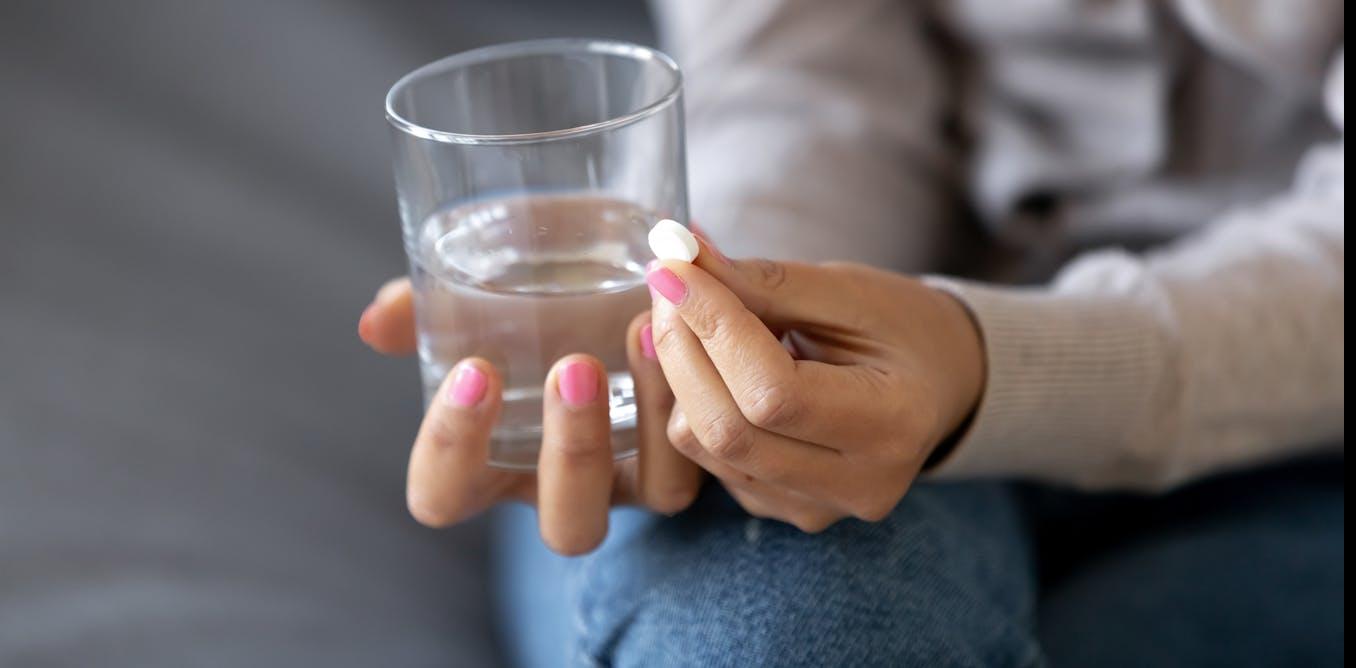
Keeping leftover medicine after an illness can seem convenient, but using old antibiotics without professional advice can create unnecessary health risks. For people considering Antibiotics at home in Dubai, it is important to understand that antibiotics should only be used when they are appropriate for the current infection. A Doctor at Home consultation can provide convenient medical assessment and help determine whether symptoms require antibiotics or another form of treatment. Antibiotics prescribed for a previous illness may not be suitable for a new condition, even when the symptoms seem similar. Understanding why leftover antibiotics should generally not be reused is an important part of safe medication practices.
Why Leftover Antibiotics Should Not Be Reused:
Leftover antibiotics are not a reliable treatment for a new illness because the medicine was selected for a specific clinical situation. A new infection may be caused by a different type of bacteria, may require a different antibiotic, or may not be bacterial at all. Some symptoms can also result from viruses, allergies, inflammation, or other conditions that antibiotics cannot treat. Using leftover medicine can therefore provide no benefit while exposing the patient to side effects and potentially delaying an accurate diagnosis. Antibiotics should be used only when a healthcare professional determines that they are appropriate for the current condition.
Why a Previous Prescription May Not Be Appropriate:
An antibiotic prescribed during an earlier illness was chosen based on the patient's symptoms, diagnosis, medical history, and other relevant factors at that time. Those circumstances may not apply to a later illness. Even if a person develops a similar cough, sore throat, urinary symptoms, or skin problem, the underlying cause may be different. The appropriate medicine, dose, and duration may also change. Reusing an old prescription assumes that two separate medical situations are identical when they may not be. Professional assessment is therefore safer than relying on a previous treatment plan.
Antibiotics Do Not Treat Viral Infections:
Many common illnesses are caused by viruses rather than bacteria. Antibiotics cannot eliminate viruses, which means taking leftover antibiotics for conditions such as most colds and influenza will not make the infection resolve faster. Symptoms that can occur with viral illnesses include:
- Runny or blocked nose
- Cough
- Sore throat
- Fever
- Headache
- Muscle aches
- Fatigue
Some bacterial and viral infections can produce similar symptoms, so patients should avoid diagnosing themselves based only on how they feel. If symptoms are severe, persistent, or unusual, professional medical evaluation can help determine the appropriate treatment.
The Risks of Taking the Wrong Antibiotic:
Using an inappropriate antibiotic can create several problems. The medicine may not target the bacteria responsible for the infection, allowing the condition to continue or worsen. It may also cause side effects or interact with other medicines the patient is taking. Additionally, unnecessary antibiotic exposure contributes to antimicrobial resistance, a major public health concern in which bacteria become less susceptible to medicines used against them. When antibiotics are needed, choosing the correct medicine and using it according to professional instructions are essential components of responsible treatment.
Why Leftover Tablets May Not Provide Enough Treatment:
Another problem with leftover antibiotics is that there may not be enough medicine to provide the appropriate prescribed duration for a new infection. Taking a few remaining tablets and stopping when they run out does not constitute a medically appropriate treatment plan. The number of tablets left over may have nothing to do with the dose or duration required for a different condition. Patients should never attempt to calculate a new treatment course based on what remains in a medicine cabinet. If an infection requires antibiotics, a healthcare professional should determine the appropriate medicine and treatment plan.
What About Antibiotics That Were Prescribed Recently?:
Even recently prescribed antibiotics should not automatically be reused. The age of the medicine is not the only concern. Suitability depends on why it was prescribed, how it was stored, whether the formulation remains appropriate, and whether the current illness actually requires antibiotic treatment. A medicine that is still within its expiration date can nevertheless be inappropriate for a different infection. Patients should therefore avoid using any leftover prescription simply because it is relatively new. The safest option is to seek medical advice based on the current symptoms.
What Happens When Antibiotics Are Used Unnecessarily?:
Unnecessary antibiotic use can expose patients to adverse effects without providing a corresponding benefit. Depending on the medicine, side effects may include nausea, abdominal discomfort, diarrhea, rash, or other reactions. In some cases, antibiotics can cause more serious complications. Unnecessary exposure can also contribute to antibiotic resistance, reducing the effectiveness of medicines against susceptible bacteria over time. Responsible use means accepting that antibiotics are not always the answer and using them only when a healthcare professional determines that their potential benefits outweigh their risks.
Never Share Leftover Antibiotics:
Leftover antibiotics should never be given to family members, friends, or other people. The recipient may have a different infection, a medication allergy, a different dosage requirement, or a medical condition that makes the medicine unsuitable. Sharing also means that the person receiving the medicine may not receive proper medical assessment. Even when symptoms look identical, individual treatment decisions can differ considerably. Every patient should receive medication based on their own diagnosis and health circumstances rather than another person's prescription.
What Should You Do With Leftover Antibiotics?:
If antibiotics remain after a prescribed treatment, patients should not keep them as an emergency supply. The safest approach is to ask a pharmacist or healthcare professional about appropriate disposal in accordance with local guidance. Patients should also avoid flushing or discarding medicines without first checking whether specific disposal instructions apply. A useful household medication review can help identify unused or expired medicines and ensure they are handled appropriately. Keeping fewer unnecessary medicines at home can reduce the temptation to self-medicate when new symptoms appear.
How to Avoid Having Leftover Antibiotics:
Following the prescribed treatment plan and using medication only as directed can help reduce the likelihood of unused antibiotics accumulating. Patients should not deliberately stop treatment early or alter doses simply to save tablets. At the same time, they should not extend treatment beyond the prescribed duration in an attempt to use every remaining tablet. If a treatment plan changes, the patient should ask the healthcare professional or pharmacist what to do with the remaining medicine. Medication should be managed according to professional instructions rather than based on the desire to avoid waste.
When Should You Seek Medical Advice Instead?:
Instead of reaching for leftover antibiotics, patients should seek medical assessment when symptoms are concerning, persistent, or worsening. Professional evaluation may be particularly important when there is severe pain, persistent fever, breathing difficulty, dehydration, confusion, rapidly worsening symptoms, or other significant changes in health. People with certain underlying health conditions may also need earlier assessment. A healthcare professional can determine whether antibiotics are necessary, whether testing is appropriate, or whether another treatment approach would be safer. Prompt evaluation can prevent unnecessary antibiotic use while reducing the risk of delayed treatment for a genuine bacterial infection.
The Role of Home Medical Care:
Home healthcare can provide a convenient alternative for people who need medical assessment but prefer not to travel to a clinic. A Doctor at Home can review symptoms, consider medical history, evaluate current medications, and determine whether antibiotic treatment may be appropriate. This approach can help patients make informed decisions instead of relying on leftover prescriptions. The objective is not simply to obtain antibiotics but to identify the correct treatment for the current condition. Professional guidance can also help patients understand how to manage prescribed medicines safely at home.
Questions to Ask Before Taking Any Antibiotic:
Before taking an antibiotic, patients should make sure they understand why it has been recommended and how to use it safely. Helpful questions include:
- Is the infection bacterial or likely to benefit from antibiotics?
- What is the prescribed antibiotic intended to treat?
- What dose should I take?
- How often should I take it?
- How long should the treatment last?
- Are there medicines or supplements I should avoid?
- What side effects should I watch for?
- What should I do if I miss a dose?
- When should I seek further medical attention?
- How should unused medicine be disposed of?
Getting clear answers can reduce medication errors and discourage unnecessary self-treatment.
Safe Antibiotic Habits at Home:
Responsible antibiotic use involves more than avoiding leftover medication. Patients should build habits that support safe treatment whenever antibiotics are genuinely prescribed. These include:
- Use antibiotics only when recommended by a qualified healthcare professional.
- Take the prescribed dose and follow the recommended schedule.
- Never use another person's prescription.
- Never save antibiotics for future illnesses.
- Do not change treatment duration independently.
- Tell your healthcare professional about allergies and other medicines.
- Monitor for concerning side effects.
- Store medication according to label instructions.
- Dispose of unused antibiotics appropriately.
- Seek reassessment if symptoms worsen or fail to improve.
These practices can reduce unnecessary antibiotic exposure and support effective treatment when antibiotics are genuinely needed.
Final Thoughts:
Leftover antibiotics may look like a convenient solution when similar symptoms appear, but they should not be used without professional medical advice. The medicine may be unsuitable for the current condition, the remaining quantity may be inadequate, or the illness may not require antibiotics at all. For people considering Antibiotics at home in Dubai, seeking professional assessment is safer than relying on an old prescription. By avoiding leftover and shared antibiotics, following current treatment instructions, and seeking medical advice when symptoms change, patients can protect their health and contribute to the responsible use of antibiotics.

 English
 Arabic
 French
 Spanish
 Portuguese
 Deutsch
 Turkish
 Dutch
Dutch
 Russian
 Romaian
 Portuguese (Brazil)
 Greek
Greek
