Construction quality management is an essential part of successful project delivery. It involves systematic processes for ensuring that construction work, materials, equipment, and completed structures meet established specifications and industry standards. Effective quality management can reduce defects, control costs, improve safety, and increase the long-term value of a construction project.
Ensuring Consistent Construction Quality
Quality management establishes clear standards that guide construction activities from start to completion. Project teams can define material specifications, workmanship requirements, inspection procedures, and performance expectations before work begins.
Consistent quality standards help contractors and subcontractors understand what is expected and reduce the likelihood of inconsistent or defective work.
Reducing Construction Defects
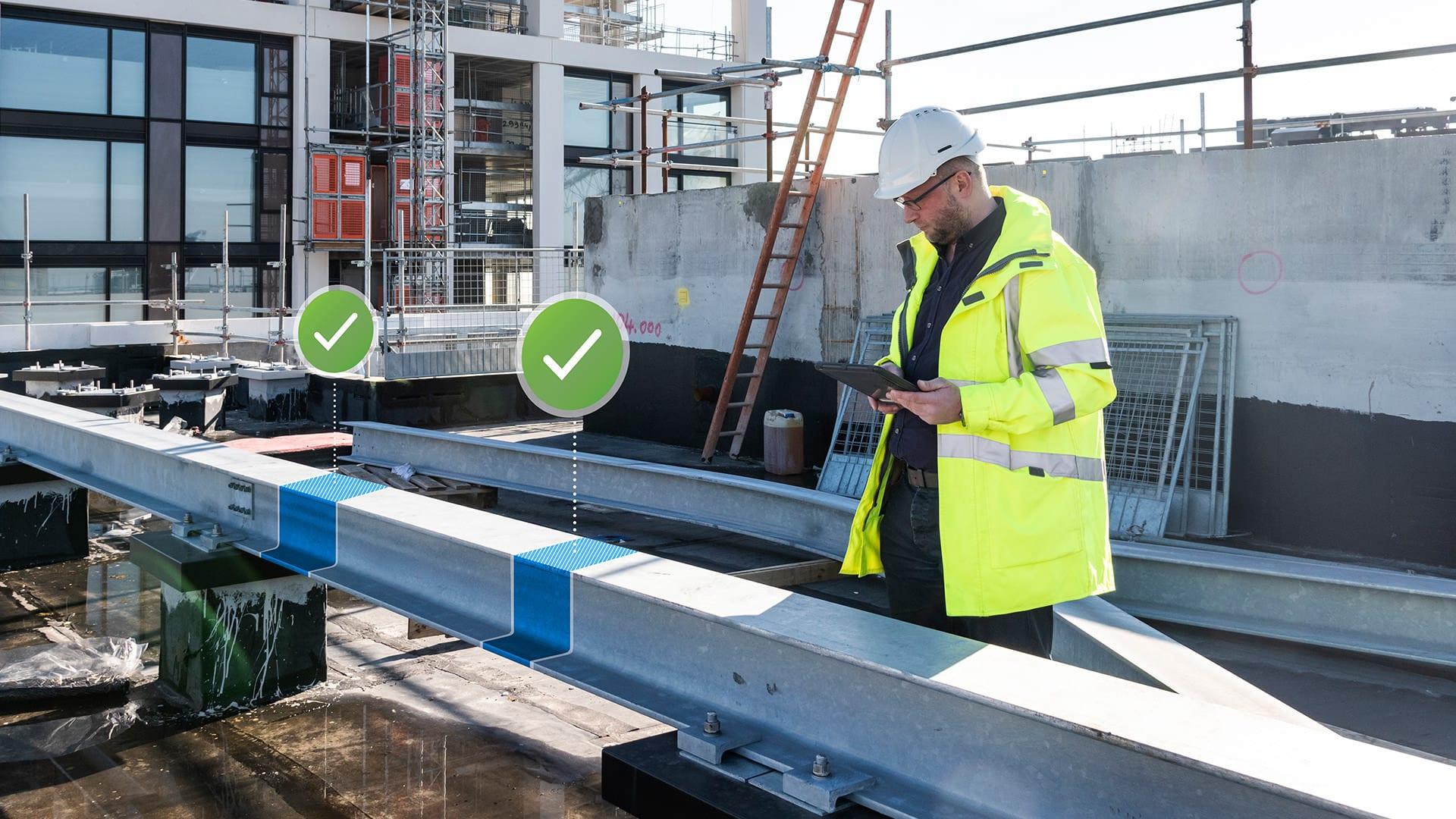
Identifying problems early is one of the major advantages of effective quality management. Regular inspections and testing allow project teams to detect issues before they become more complicated or expensive to correct.
Early detection can reduce rework, material waste, project delays, and additional labor expenses. It also helps ensure that completed work meets the required specifications.
Improving Project Performance
Quality management contributes directly to overall project performance. When construction activities are monitored systematically, project managers can identify inefficiencies and address them quickly.
Better quality control can improve productivity by reducing repeated work and minimizing disruptions. This allows teams to maintain progress while meeting established project requirements.
Supporting Cost Control
Poor-quality construction can lead to significant additional expenses. Defective materials, incorrect installations, and workmanship problems may require repairs or complete replacement.
A proactive quality management approach reduces these risks by emphasizing inspections, testing, documentation, and compliance throughout the project. Preventing defects is generally more cost-effective than fixing them after completion.
Enhancing Construction Safety
Quality and safety are closely connected. Poor workmanship or improperly installed systems can create hazards for workers, building occupants, and visitors.
Quality management procedures help ensure that construction components are installed correctly and according to approved specifications. Regular inspections can identify unsafe conditions and support compliance with applicable safety requirements.
Improving Material Management
Construction materials have a major impact on the quality and durability of a finished structure. Quality management includes verifying that materials meet project specifications before they are used.
Proper storage, handling, testing, and inspection can also prevent material damage and deterioration. This helps ensure that only suitable materials are incorporated into the project.
Strengthening Communication
Construction projects involve architects, engineers, contractors, subcontractors, suppliers, inspectors, and property owners. Poor communication can lead to misunderstandings and quality issues.
Quality management creates processes for documenting requirements, inspection results, changes, and corrective actions. Clear documentation improves communication and helps project stakeholders make better decisions.
Supporting Long-Term Building Durability
The quality of construction directly affects how a building performs over time. Proper installation, high-quality materials, and adherence to specifications can increase the durability of structural and building systems.
Effective quality management helps ensure that critical components are constructed correctly, reducing the likelihood of premature deterioration and costly maintenance.
Increasing Client Satisfaction
Clients expect construction projects to meet agreed-upon standards for quality, functionality, appearance, cost, and schedule. A strong quality management system helps construction teams consistently meet these expectations.
Delivering a high-quality finished project can increase client satisfaction, strengthen professional relationships, and improve a contractor's reputation.
Conclusion
Construction quality management plays a critical role in delivering safe, durable, efficient, and successful projects. Through inspections, testing, documentation, material control, communication, and corrective action, quality management helps reduce defects and improve construction performance.
By making quality a priority throughout every stage of construction, project teams can control costs, minimize rework, enhance safety, and deliver buildings that provide lasting value.




 English
 French
 Spanish
 Portuguese
 Deutsch
 Turkish
 Dutch
Dutch
 Italiano
 Russian
 Romaian
 Portuguese (Brazil)
 Greek
Greek
