


How Modern HR Technology Helps Businesses Manage Their Workforce Better
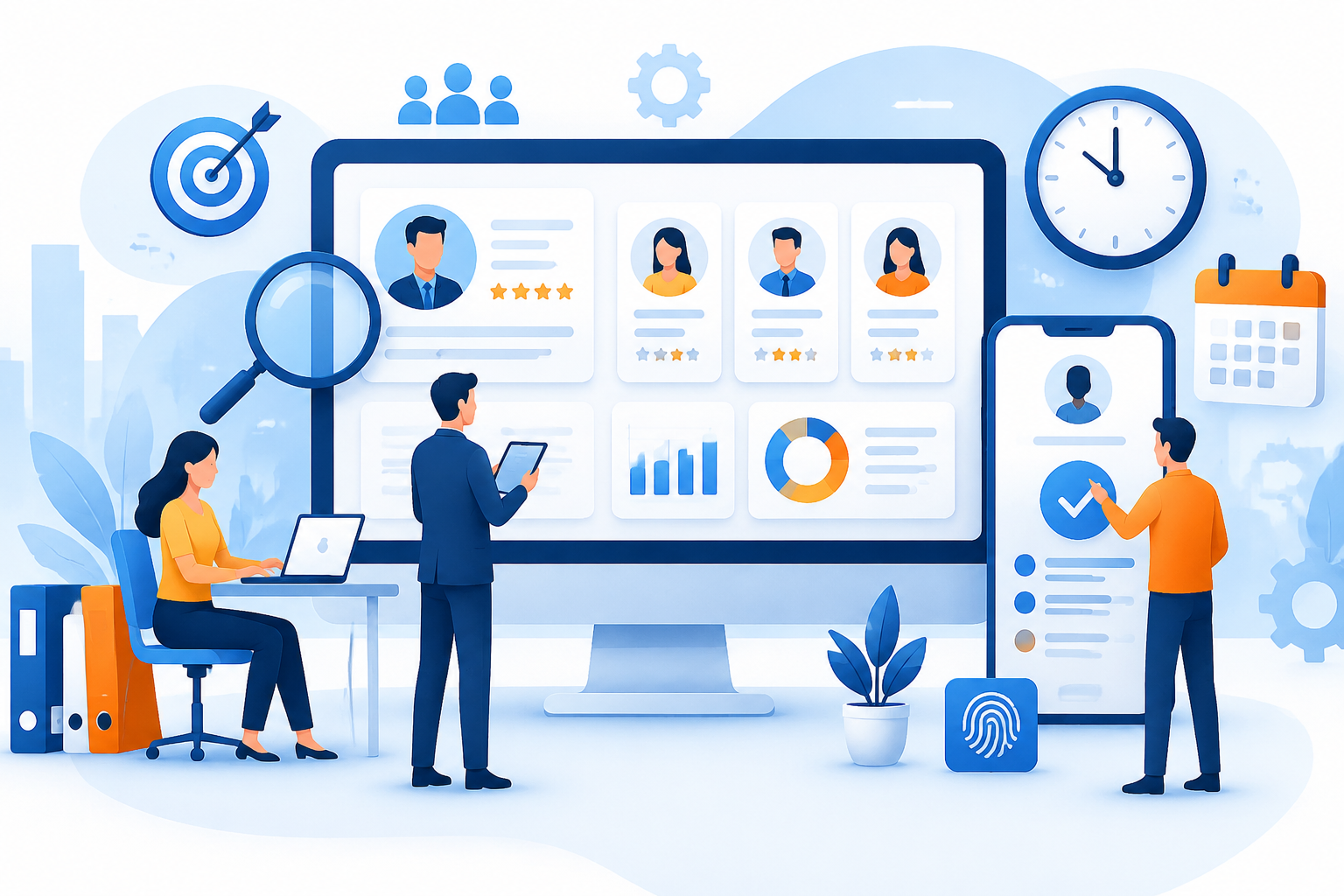
Managing employees efficiently is one of the most important responsibilities for any growing organization. As businesses expand, HR teams often have to handle attendance, payroll, recruitment, leave requests, employee records, and performance reviews at the same time. Manual processes can make these activities slower and increase the chances of errors.
HR Software provides businesses with a centralized way to organize and manage everyday human resource activities. Instead of relying on spreadsheets, paperwork, and separate tools, organizations can use a digital platform to simplify HR operations. From maintaining employee information to tracking attendance and managing payroll, technology can help HR teams save time and improve overall efficiency.
What Is Digital HR Management?
Human resource management covers the complete employee lifecycle, starting from recruitment and onboarding and continuing through performance management and employee development. Managing all these activities manually can become difficult when an organization has a growing workforce.
A digital HR platform brings important HR functions together in one place. It allows authorized users to store employee information, monitor attendance, process leave requests, manage payroll-related activities, and generate reports. This centralized approach can make HR processes more organized and accessible.
Why Businesses Are Moving Away From Manual HR Processes
Traditional HR management often involves spreadsheets, physical documents, emails, and repetitive data entry. Although these methods may work for a small number of employees, they can become difficult to manage as the workforce increases.
Manual processes can also create challenges such as duplicate information, delayed approvals, calculation mistakes, and difficulty finding employee records. Digital solutions can reduce these problems by automating repetitive activities and keeping information in a centralized system.
Automation does not mean removing the human element from HR. Instead, it allows HR professionals to spend less time on administrative tasks and more time on employee engagement, workforce planning, and organizational development.
Important Features of an HR Management Platform
A modern HR platform can offer a wide range of features designed to support everyday workforce management.
Employee Information Management
Employee records are an important part of HR operations. A digital platform can help organizations maintain employee profiles, job details, contact information, documents, and other relevant records in one centralized location.
This makes it easier for authorized HR professionals to access and update information when required.
Attendance and Time Tracking
Tracking attendance manually can require considerable effort, especially for businesses with multiple teams or locations. Digital attendance tools can help monitor working hours, attendance records, shifts, and related information.
Automated attendance data can also make payroll preparation and workforce reporting more organized.
Leave Management
Managing leave requests through emails or paper forms can lead to delays and confusion. An HR platform can provide employees with a convenient way to submit leave requests while managers can review and approve them digitally.
HR teams can also maintain accurate leave balances and records without repeatedly updating spreadsheets.
Payroll Support
Payroll is another area where accuracy is essential. Digital HR solutions can help organize salary-related information, attendance data, deductions, and payroll records.
By reducing repetitive calculations and manual data entry, businesses can improve payroll workflows and reduce the possibility of avoidable errors.
Recruitment and Onboarding
Recruitment involves several activities, including candidate management, interviews, documentation, and onboarding. A centralized system can help HR teams organize these activities and maintain relevant information throughout the hiring process.
Once a candidate joins the organization, onboarding workflows can help ensure that necessary documents, tasks, and employee information are completed efficiently.
How HR Technology Improves Employee Experience
Employees increasingly expect workplace processes to be simple and accessible. HR technology can help create a smoother employee experience by providing self-service capabilities.
For example, employees may be able to access attendance information, submit leave requests, view important documents, or check relevant payroll information without contacting HR for every basic requirement.
This can reduce unnecessary communication and allow HR teams to focus on more valuable responsibilities.
Better HR Reporting and Workforce Insights
One of the major benefits of digital HR management is the ability to generate organized reports. HR professionals can use workforce data to understand attendance trends, leave utilization, employee information, recruitment progress, and other important metrics.
These insights can help managers make more informed decisions. Instead of spending hours collecting information from multiple spreadsheets, HR teams can access structured data from a centralized platform.
Better reporting can also support workforce planning and help organizations identify areas that need attention.
Supporting Business Growth
An HR system should be capable of supporting a business as it grows. A company with a small team may initially manage HR activities using spreadsheets, but these methods can become increasingly difficult when the workforce expands.
A scalable digital platform can accommodate additional employees and evolving HR requirements. This makes technology a useful investment for organizations that want to establish structured HR processes from the beginning.
Businesses operating across multiple offices can also benefit from centralized workforce management. HR teams can maintain consistency while allowing different departments or locations to manage their specific responsibilities.
Security and Access Control
Employee information contains sensitive business and personal data, so security should be an important consideration when selecting an HR platform.
Organizations should look for solutions that provide role-based access, appropriate permissions, secure data management, and reliable authentication mechanisms. Restricting access based on job responsibilities can help ensure that employees only view information relevant to their roles.
A centralized system can also make it easier for organizations to maintain consistent HR data management practices.
Choosing the Right HR Solution
Every business has different HR requirements. Therefore, organizations should evaluate their needs before selecting a platform.
Important factors may include the number of employees, required HR features, ease of use, scalability, reporting capabilities, mobile accessibility, integrations, security, and overall cost.
A good HR platform should be simple enough for employees and HR teams to use comfortably while providing sufficient functionality for the organization's current and future requirements.
It is also useful to consider whether the solution can support multiple HR processes instead of requiring separate applications for attendance, leave, payroll, recruitment, and employee management.
The Future of Digital HR Management
The future of HR is becoming increasingly digital. Automation, cloud-based platforms, employee self-service, analytics, and mobile accessibility are helping organizations create more efficient workforce management processes.
As businesses continue to prioritize productivity and employee experience, digital HR solutions will play an increasingly important role. Organizations that adopt structured HR technology can create processes that are easier to manage, measure, and improve over time.
Conclusion
Modern businesses need efficient processes to manage their growing workforce, and digital HR technology can provide a practical foundation for achieving this goal. From attendance and leave management to payroll, recruitment, employee records, reporting, and self-service, a centralized platform can reduce administrative workload and improve workplace efficiency. For organizations looking to modernize their HR operations, HR Software Mumbai can be a valuable solution for building organized, scalable, and employee-friendly HR processes.

 English
 Arabic
 French
 Spanish
 Portuguese
 Turkish
 Dutch
Dutch
 Italiano
 Russian
 Romaian
 Portuguese (Brazil)
 Greek
Greek
