


Jowar Atta Benefits, Uses & Nutrition Guide | 10 on 10 Foods
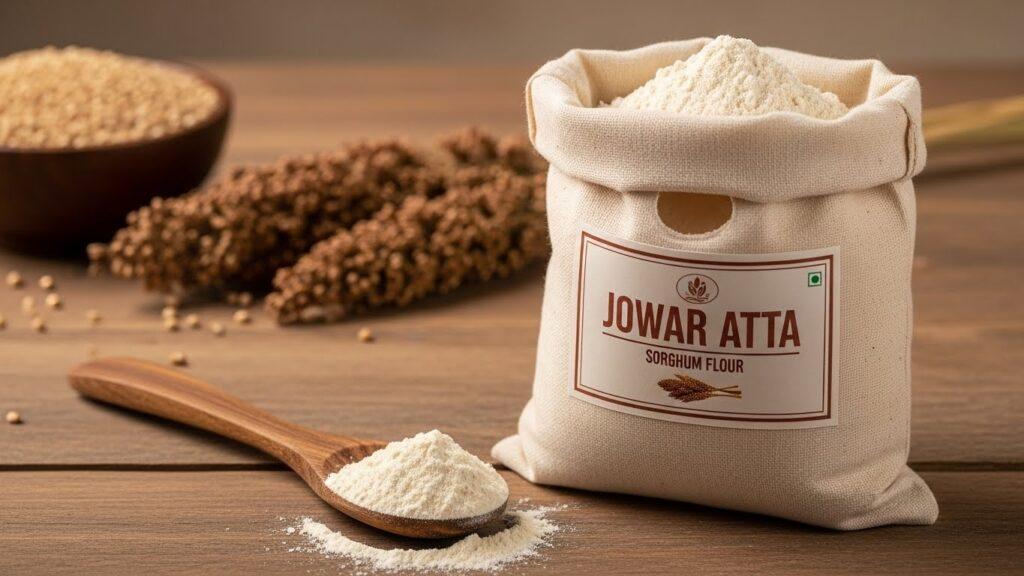
If you've been paying attention to what's happening in Indian kitchens lately, you've probably noticed one ingredient popping up again and again — jowar atta. Once a staple of rural households across Maharashtra, Karnataka, and Telangana, jowar atta (sorghum flour) is now finding its way into urban pantries as more people look for gluten-free, nutrient-dense alternatives to regular wheat flour.
In this guide, we'll break down everything you need to know about jowar atta — what it is, why it's good for you, how to use it, and how to pick the right one.
What Is Jowar Atta?
Jowar atta is flour milled from whole sorghum grain (Sorghum bicolor), one of the oldest cultivated cereal crops in the world. It has been a dietary staple in India for centuries, especially in states where jowar (sorghum) grows well in dry, low-rainfall conditions.
Unlike refined wheat flour, jowar atta is made by grinding the entire grain, which means it retains its natural fiber, bran, and germ. This gives it a slightly coarse texture, an earthy flavor, and a nutritional profile that many health-conscious consumers are actively seeking out today.
Why Jowar Atta Is Gaining Popularity
There are a few clear reasons jowar atta has moved from a regional staple to a pantry favorite across India:
1. Naturally Gluten-Free
Jowar is completely gluten-free, making it a go-to option for people with celiac disease or gluten sensitivity. It's also popular among those simply trying to reduce their gluten intake without giving up rotis and flatbreads.
2. Rich in Fiber
Jowar atta contains a good amount of dietary fiber, which supports healthy digestion, helps regulate blood sugar levels, and keeps you feeling full for longer — a helpful quality if you're watching your weight.
3. Good Source of Protein and Minerals
Sorghum flour offers a respectable amount of plant-based protein along with essential minerals like iron, magnesium, and phosphorus, which contribute to energy metabolism and bone health.
4. Low Glycemic Index
Because of its fiber content and slower digestion rate, jowar atta has a comparatively low glycemic index, making it a smarter choice for people managing diabetes or blood sugar levels.
5. Antioxidant Properties
Sorghum is known to contain polyphenols and antioxidants that help fight oxidative stress in the body, contributing to overall long-term health.
Nutritional Snapshot of Jowar Atta (per 100g, approximate)
| Nutrient | Amount |
|---|---|
| Energy | ~349 kcal |
| Protein | ~10 g |
| Carbohydrates | ~72 g |
| Dietary Fiber | ~6-7 g |
| Fat | ~3.5 g |
| Iron | ~4.1 mg |
Values may vary slightly depending on the batch and milling process.
How to Use Jowar Atta in Everyday Cooking
One of the best things about jowar atta is its versatility. Here are some popular ways to use it:
- Jowar Roti/Bhakri: The most traditional use — a soft, slightly dense flatbread often paired with a dollop of ghee, garlic chutney, or spicy curries.
- Jowar Dosa: Mix jowar atta with rice flour or curd for a crispy, gluten-free dosa batter.
- Jowar Khichdi: Combine cracked jowar with lentils and vegetables for a wholesome one-pot meal.
- Baking: Jowar atta can be blended with other flours to make gluten-free cookies, muffins, and bread.
- Porridge: A simple jowar porridge with milk or water makes for a nutritious breakfast, especially for kids and elderly family members.
Tip for Beginners
Since jowar atta lacks gluten, it doesn't bind as easily as wheat flour. When making rotis, use warm water to knead the dough and work quickly, as the dough tends to dry out faster than wheat dough.
Jowar Atta vs Wheat Atta: Quick Comparison
| Factor | Jowar Atta | Wheat Atta |
|---|---|---|
| Gluten | Gluten-free | Contains gluten |
| Fiber | Higher | Moderate |
| Glycemic Index | Lower | Higher |
| Texture | Coarser, earthy | Soft, elastic |
| Best For | Diabetics, gluten-sensitive individuals | General everyday use |
Both have their place in a balanced diet — many households now rotate between jowar, bajra, ragi, and wheat flours to diversify nutrition.
How to Choose the Best Jowar Atta
When buying jowar atta, keep the following in mind:
- Check for freshness – Sorghum flour has natural oils that can turn rancid faster than wheat flour. Buy in small batches unless it's vacuum-packed.
- Look for stone-ground options – Traditional stone-grinding preserves more nutrients compared to high-speed industrial milling.
- Avoid additives – Pure jowar atta should have no added preservatives, colors, or fillers.
- Check the source – Flour milled from good-quality, well-sourced jowar grain tends to have a better taste and shelf life.
At 10 on 10 Foods, our jowar atta is milled to preserve the grain's natural nutrition and flavor, with no additives or shortcuts — just clean, wholesome flour ready for your kitchen.
Storage Tips
- Store jowar atta in an airtight container in a cool, dry place.
- If you live in a humid climate, refrigeration can help extend its shelf life.
- Try to use it within 4-6 weeks of opening for the best taste and nutritional value, since whole-grain flours degrade faster than refined ones.
Who Should Include Jowar Atta in Their Diet?
- People looking for gluten-free alternatives
- Those managing diabetes or blood sugar levels
- Anyone aiming to increase fiber intake
- Fitness enthusiasts wanting a wholesome carb source
- Families wanting to diversify their daily grain intake beyond wheat and rice
Frequently Asked Questions
Is jowar atta good for weight loss? Yes, its high fiber content helps you feel fuller for longer, which can support portion control and reduce overall calorie intake.
Can diabetics eat jowar roti daily? Jowar has a lower glycemic index than wheat, making it a generally suitable option for diabetics, though portion size and overall diet still matter. It's best to consult a doctor or nutritionist for personalized advice.
Does jowar atta taste different from wheat atta? Yes, it has a slightly nutty, earthy flavor and a coarser texture compared to the softness of wheat rotis.
Can I mix jowar atta with wheat atta? Absolutely. Many people blend the two for a softer texture while still gaining some of jowar's nutritional benefits.
Final Thoughts
Jowar atta isn't just a trend — it's a return to traditional, nutrient-rich eating habits that our grandparents relied on long before "superfoods" became a marketing term. Whether you're managing a health condition, exploring gluten-free options, or simply want to diversify your diet, jowar atta is a simple, versatile addition to your kitchen staples.

 English
 Arabic
 French
 Portuguese
 Deutsch
 Turkish
 Dutch
Dutch
 Italiano
 Russian
 Romaian
 Portuguese (Brazil)
 Greek
Greek
